







Did you know that 59% of consumers prefer to buy new products from brands they're already familiar with? This eye-opening fact isn’t just trivia—it’s the heart of why brand awareness is the most powerful growth engine your business can harness today. Imagine every new customer already trusting you before the first click, call, or visit. That’s not luck, it’s the art and impact of brand awareness—and if you stick with this guide, you’ll discover actionable ways to make your brand top-of-mind, no matter your business size.
The Power of Brand Awareness: A Surprising Statistic to Start
Let’s put the spotlight on a fact that can transform the way you view your business: nearly six out of ten people would rather make a purchase from a brand they recognize. Brand awareness isn’t simply about a logo or a catchy jingle—it’s about making your brand familiar and trusted in a noisy world. Each time a customer sees your logo on social media or hears your business name in a conversation, it strengthens their connection to you. And that connection? It leads to more confident purchasing decisions, repeated business, and word-of-mouth recommendations. The real power of brand awareness is that it gently guides your target audience to choose you—even before rational thought takes over. By nurturing awareness through every touchpoint, from a compelling media post to memorable customer experiences, you build not only a brand image, but long-term loyalty and a thriving business.

Key Takeaways: What Brand Awareness Can Do for You Right Now
Brand awareness drives trust and loyalty, making your business top-of-mind.
It fuels word-of-mouth and viral growth in social media and online communities.
The benefits go beyond recognition—brand awareness boosts your brand equity, brand recall, and brand image.
What You'll Learn About Brand Awareness
What brand awareness means—and why it matters.
How to build and increase brand awareness, brand identity, and brand equity.
Actionable strategies and examples to skyrocket your visibility.
How to measure brand awareness and optimize your results.
Answers to the most pressing brand recall and branding questions.

Defining Brand Awareness: What Do You Mean by Brand Awareness?
Brand awareness is how well your audience recognizes and remembers your business, products, or services. Think of it as the first spark in your customer's journey—a flash of recognition that sets your brand apart. Whether it’s seeing your logo on a store shelf or sensing your brand’s personality in a social media post, awareness means people know who you are and what you stand for. This recognition doesn't just happen; it builds over consistent messaging, meaningful engagement, and memorable experiences. As more people learn your name, your brand identity solidifies in their minds, making it more likely they’ll think of you when making a purchase decision. That’s why the journey to a strong brand always starts with focused, ongoing efforts to build true awareness.
To further strengthen your brand’s presence, especially if you’re a small business competing with larger players, it’s worth exploring how digital strategies can help you stand out. Discover practical approaches in this guide on how small businesses are slaying giants in the online arena—you’ll find actionable tactics that complement your brand awareness efforts.
How Brand Awareness Builds Brand Image and Brand Equity
A successful brand awareness campaign goes far beyond a logo or catchy tagline; it shapes how people feel about your business. When your brand is top-of-mind, you start building a positive brand image. This means people associate your brand with certain qualities—reliability, excitement, innovation—that set you apart from competitors. Over time, as you consistently deliver on those qualities, your brand equity grows. Brand equity is the extra value your brand brings to your products or services—think of how people willingly pay more for a shoe with a swoosh or a phone with an apple on it. Every positive interaction, every memorable media post, adds up, turning your brand from just another name to a trusted leader in your industry.
Real-World Example of Brand Awareness in Action
Picture the phrase “Just Do It.” Even without seeing the logo, you know it’s Nike. This is brand awareness in its purest form—those three words instantly summon images of elite athletes and bold aspirations. Nike’s brand recall is so powerful, most people don’t even need the logo to feel a connection. This happened because Nike invested in stories that inspire, not just ads that sell. Their messaging is everywhere, from global sports arenas to your Instagram feed, reinforcing their brand equity and embedding their identity deep in your mind. If you create even a fraction of this connection, you pave the way for loyal customers and a lasting brand.

"Your brand is what people say about you when you’re not in the room." — Jeff Bezos
The 4 Levels of Brand Awareness—And Why They Matter
Brand Recognition – The moment your name or logo feels familiar.
Brand Recall – When people think of your brand without prompting.
Top-of-Mind – You’re the first brand consumers consider.
Brand Dominance – Your brand becomes synonymous with the industry.
Comparing the 4 Levels of Brand Awareness |
||
Level |
Description |
Example |
|---|---|---|
Brand Recognition |
Audiences recognize name or logo |
Coca-Cola logo |
Brand Recall |
Remembered without direct prompt |
Apple for electronics |
Top-of-Mind |
Brand is the first considered |
McDonald’s for fast food |
Brand Dominance |
Industry synonymous with your brand |
Google for search |

Brand Awareness vs. Brand Image, Brand Identity, and Brand Equity
Many people mix up brand awareness with brand image, brand identity, or brand equity. They're all linked, but each plays its own part in your success story. Brand awareness is about people knowing you exist. Brand image is how they feel about you—are you fun, reliable, cutting edge? Brand identity is what you show the world: your logo, colors, voice, and more. When you do all three well and build positive associations, you create brand equity—the real value that makes your products or services stand out and command respect, even in a crowded market. But without strong brand awareness, none of the rest can grow.
How Brand Image and Brand Identity Drive Brand Recall
Think of Coca-Cola, a true masterclass in brand image and brand identity. Everything about them—from their logo’s signature red to the joyful, refreshing feeling in every ad—creates a memory in your mind. Why? Because they never stop reminding you who they are, what they stand for, and what experience you’ll get. This consistency creates high levels of brand recall, the kind where you crave a Coke just by seeing a red can or hearing the pop of a bottle. Your own brand, big or small, can use this same formula to ensure people not only remember your name, but connect it to positive feelings and reliable experiences.

Building Brand Awareness: Step-by-Step Strategies
Develop a clear brand identity and mission.
Leverage storytelling and memorable messages.
Partner with influencers to expand reach.
Host events or webinars to increase brand recall.
Engage across multiple social media channels.
How to Increase Brand Awareness with Social Media
Today’s fastest way to grow brand awareness? Social media. Big brands like Wendy’s show us how clever posts and authentic engagement can launch viral stories, amplify brand voice, and capture new fans in a flash. With just one well-timed social media post, you can get people talking, sharing, and ultimately keeping your brand top-of-mind. Social media also lets you create conversations, respond in real time, and give your brand a human side—key for brand recall and brand equity. The secret is consistency and letting your unique brand personality shine in every piece of content marketing. So whether you’re sharing behind-the-scenes stories or celebrating customer wins, every post is a chance to make your brand unforgettable.
Consistent, on-brand content creation.
Utilize hashtags to expand reach.
Collaborate with micro-influencers.
Inspire user-generated content.
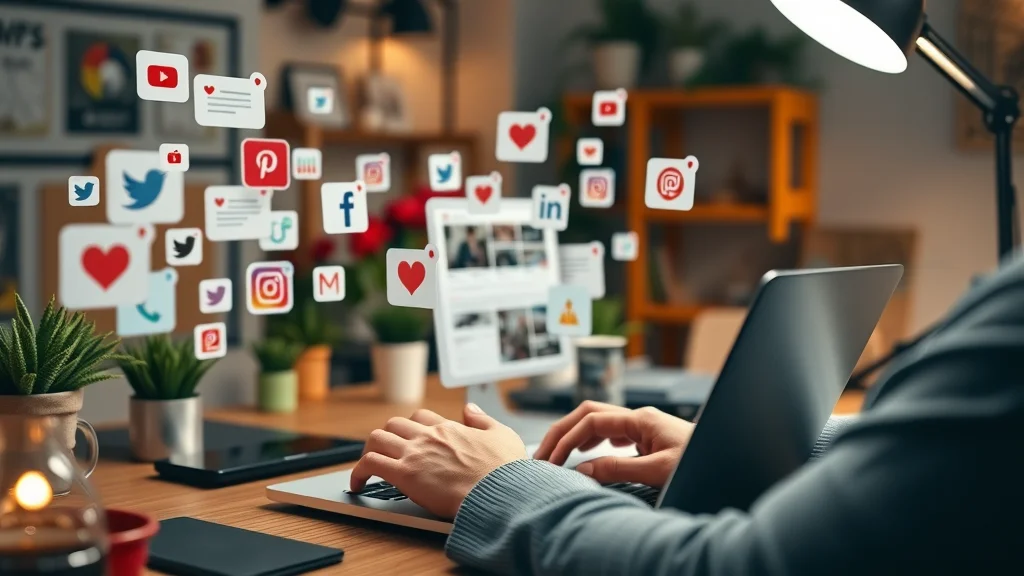
"In the digital era, social media is the word-of-mouth multiplier for brand awareness." — Marketing Expert Emily R.
How to Measure Brand Awareness and Brand Recall
Monitor direct traffic and search volume increases.
Conduct brand recall surveys and social listening.
Track engagement metrics on social media.
Monitor share of voice and earned media mentions.
Tools for Measuring Brand Awareness: From Analytics to Brand Equity Indices
Popular Tools to Measure Brand Awareness |
|
Tool |
Purpose |
|---|---|
Google Analytics |
Tracks direct and organic visits |
Brandwatch |
Measures social conversations |
SurveyMonkey |
Executes brand recall surveys |
SEMrush |
Monitors brand search trends |
Meltwater |
Media monitoring and analytics |

Real-World Examples: Building Brand Awareness That Lasts
How do the world’s best brands keep their awareness high year after year? Take Apple’s much-anticipated launch events—each one a true spectacle designed to remind everyone who leads the tech game. Or look at Dove’s viral campaigns, breaking beauty stereotypes and sparking heartfelt conversations that connect their name to confidence and positivity. Meanwhile, Red Bull invests in extreme sports, making their logo a permanent fixture where adventure and excitement live. Each of these stories shows that brand awareness isn’t about shouting louder—it’s about showing up with authenticity, delivering experiences, and making memories that stick.

Brand Awareness in Small Businesses: Actionable Steps
You don’t have to be a global giant to earn strong brand awareness. Local cafes, startups, and family-owned shops can all leave a big mark in their neighborhoods. How? By developing a unique brand identity, putting a face to their name, and showing genuine care for each customer. Hosting small events, partnering with neighboring businesses, or simply adding a personal touch to every transaction builds lasting brand recall. When customers remember your brand for something special—be it your bold coffee flavors or your welcoming smile—they become loyal advocates, helping you outshine competitors with word-of-mouth alone.

What Do You Mean by Brand Awareness?
Brand awareness is how easily your target audience can recognize and recall your business or product in everyday life. The higher your awareness, the more likely customers are to think of you when they need products or services in your category. That’s top-of-mind success.
What Are the 4 Levels of Brand Awareness?
The four levels of brand awareness are: brand recognition (familiar name or logo), brand recall (thinking of your brand without prompts), top-of-mind (your brand comes to mind first), and brand dominance (your brand defines the product category). Growing through each level means more lasting customer relationships and more influence in purchase decisions.
What Is an Example of Brand Awareness?
Suppose you’re at a restaurant, ready to order a drink. Instead of just saying “cola,” you ask for a Coke—that’s powerful brand awareness in action. The brand’s name has become so well known, it stands in for the entire product category in your mind, guiding your purchase decisions almost automatically.

What Are the 3 C's of Branding?
The three C’s of branding are Clarity, Consistency, and Constancy. Clarity means your brand message is always clear to your customers. Consistency is making sure every touchpoint, from social media to your store, matches that message. Constancy is about showing up regularly and never letting your brand fade into the background. These three together ensure people recognize and trust your brand, laying the strongest foundation for brand awareness and recall.
FAQs on Brand Awareness
How long does it take to build brand awareness?
Building strong brand awareness is a journey, not an overnight event. It can take months—or even years—depending on your market, resources, and efforts. Stick with consistent strategies and authentic stories, and you’ll see your recognition grow.Why does branding matter for small businesses?
Branding is the secret ingredient that helps smaller brands compete with giants. It’s what makes customers pick you again and again, even when there are cheaper or more convenient choices.What mistakes should I avoid when trying to measure brand awareness?
Don’t rely on just one measure, like website traffic. Use surveys, social listening, and monitor multiple metrics to get a true picture. Sometimes even high levels of activity don’t mean people remember your brand for the right reasons.Can you boost brand recall fast with a single campaign?
A viral marketing campaign can jumpstart recognition, but lasting recall comes from consistency and ongoing engagement. Treat it as a long game for best results.How does brand awareness impact customer loyalty?
The more familiar people feel with your brand, the more likely they are to remain loyal, recommend you to others, and even pay a premium for your products or services. Familiarity breeds trust; trust breeds loyalty.
Next Step: Ignite Brand Awareness in Your Business
Ready to give your brand a voice and a face the market will remember? Focus on building genuine connections, refining your brand identity, and consistently measuring your efforts for optimal brand awareness. Make your brand the one everyone talks about tomorrow.
If you’re eager to take your brand’s visibility to the next level, consider how a holistic marketing approach can amplify your results. From optimizing your digital presence to leveraging organic traffic for sustainable growth, there’s always another layer to master. For a deeper dive into strategies that fuel business expansion and long-term recognition, explore these marketing tips and strategies to grow your business. Unlock new insights, discover advanced techniques, and empower your brand to thrive in today’s competitive landscape.

I hope you enjoyed reading our blog. If you would like to assistance with your marketing, give us a call at 207-710-1449 or visit our website at www.digitalmarketingall.org.
To deepen your understanding of brand awareness and its impact on business growth, consider exploring the following resources: “Brand Awareness: What Is It & How Does It Work?” (mountain.com) This article delves into the advantages of a strong brand awareness campaign, including increased lead generation, higher customer trust and loyalty, and greater competitive advantage. “What is Brand Awareness? Build Successful Campaigns” (business.feefo.com) This resource outlines how brand awareness can help expand your customer base, set your brand apart from competitors, and encourage customer loyalty. If you’re serious about enhancing your brand’s visibility and fostering customer trust, these resources will provide valuable insights and actionable strategies.




Write A Comment