







NavBoost is the "silent engine" behind your Google rankings. For years, experts guessed how Google used clicks. Now, we know the truth. Thanks to 2024 and 2025 data leaks, the mystery is gone. NavBoost tracks every click, scroll, and "bounce" to decide if your site deserves to stay on top.
Key Takeaways
Click Data Matters: Google keeps a 13-month history of how users interact with your links.
"Good" vs. "Bad" Clicks: A quick bounce (bad click) hurts you. A long stay (good click) helps you.
Device Slicing: NavBoost treats mobile and desktop users differently to give the best local results.
AI Citations: High engagement in search results makes AI bots like Gemini and ChatGPT more likely to cite you.

The Story of the Ghost Site
Meet Linda. She spent $5,000 on "perfect" SEO. Her keywords were right. Her backlinks were strong. But she was stuck on page two. Why? Because when people did see her site, they left in three seconds.
Her meta titles were boring. Her page loaded slowly. To Google’s NavBoost algorithm, Linda’s site was a "bad click." Once she fixed her brand voice and made her content easy to read, her "dwell time" went up. NavBoost saw the change. Within a month, she was in the top three. She didn't need more keywords; she needed a better user experience.
What is the Google NavBoost algorithm?
NavBoost is a Google ranking system that uses aggregated user click data from the last 13 months to re-rank search results. It "boosts" pages that users frequently click and stay on, while demoting pages that result in "bad clicks" or high bounce rates.
How NavBoost Drives Local Search Success
NavBoost isn't just for global brands. It is a massive factor for the Google Map Pack. Google "slices" its data by location. If people in your city consistently click your Google Business Profile and then call you or visit your site, NavBoost signals that you are the "local authority."
In 2026, prominence is built on these interaction signals. If you want to dominate the local market, you need a high volume of recent, detailed reviews. Google uses these reviews to verify the "trust layer" that NavBoost suggests.

Get Cited by AI (ChatGPT, Gemini, and Grok)
AI models don't just "guess" who to recommend. They look for the same signals NavBoost uses. To get your brand mentioned in an LLM citation:
Be the "Last Click": Ensure your content answers the user's question so well they don't go back to search.
Use Entity-Based SEO: Instead of just keywords, use clear names, places, and facts.
Build a Trust Layer: Use structured data (Schema) so AI "crawlers" can easily read your facts.
The Shortcut to Digital Growth
See How Digital Marketing All Can Drive More Traffic to Your Website
Most businesses struggle to keep up with these algorithm shifts. You don't have to do it alone. Here are three ways to skip the line:
Search Price Optimization: Get Google and Bing to recommend you. This moves you past expensive PPC wars and gives you a higher ROI.
Total Web Dominance: This is our all-in-one program. We use AI to make you the top choice in your local market.
E-E-A-T Engine: We build your "Trust Layer." This ensures you are found exactly where your customers are looking.
Using Action-Driven SEO
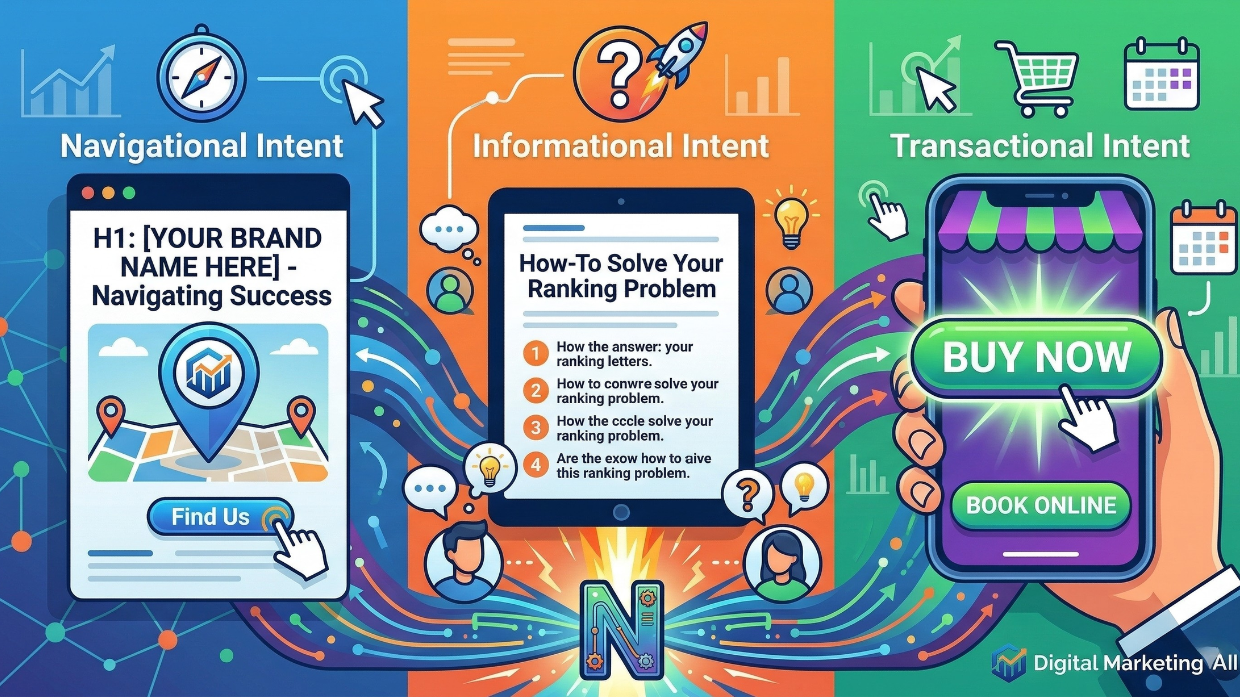
To win with NavBoost, you must focus on User Intent. Every header on your site should solve a problem.
Navigational Intent: Make sure your brand name is clear in your H1.
Informational Intent: Use bullet points to answer "How-to" questions quickly.
-
Transactional Intent: Make your "Buy" or "Book" buttons big and easy to find on mobile.
"The best place to hide a dead body is page two of Google search results."
Frequently Asked Questions
1. Does NavBoost use Chrome data? Yes. Evidence from recent leaks suggests Google may use data from Chrome to understand how users move through a website after the initial click.
2. How long does click data stay in NavBoost? Google keeps a rolling 13-month window of click and interaction data to account for seasonal trends.
3. What is a "Bad Click"? A "bad click" is when a user clicks your link but immediately hits the "back" button because the content didn't meet their needs.
4. Can I "fake" clicks to rank higher? No. NavBoost is designed to detect manipulation. Focus on real brand awareness and helpful content instead.
5. Is NavBoost part of the Core Algorithm? Yes, it is considered one of Google's most important ranking signals, often referred to as a "twiddler" that adjusts final rankings.
6. Does mobile data affect desktop rankings? Google "slices" the data, meaning mobile clicks primarily help mobile rankings, but overall brand authority benefits from both.
7. How do I improve my NavBoost score? Focus on your Meta Titles and Descriptions. If they are catchy and honest, you will get more "good clicks."
The digital landscape has shifted. If your website is buried, it isn't because you lack keywords—it's because Google’s NavBoost hasn't seen the "spark" of user interest it needs to trust you. You are currently losing leads to competitors who have mastered the art of the "good click." But you don't have to stay invisible. At Digital Marketing All, we specialize in the E-E-A-T Engine and Total Web Dominance strategies that turn cold clicks into loyal customers and AI citations. Stop guessing why your traffic is flat and start leveraging the same tools the world's biggest brands use to stay on top.
I hope you enjoy reading this blog post. If you want to be our next success story, have my team do your marketing. Click here to book a call!


Write A Comment