



Digital Marketing All
cropper
  • Facebook icon
  • Linkedin Icon
  • YouTube Icon
  • Instagram Icon
  • Home
  • Categories
    • Advertising
    • AI
    • AI Agents
    • AI Search
    • Answer Engine Optimization
    • Backlinks
    • Backlinks
    • Black Friday Tips
    • Blog
    • Brand Loyalty
    • Brand strategy
    • Brand voice
    • Business
    • Chat bots
    • Company Reviews
    • Content
    • Customer Journey
    • Customer Retention
    • Domain Authority
    • Dominating Local Market
    • E-Commerce
    • Email Marketing
    • Email Marketing
    • Email Strategies
    • event marketing
    • FaceBook
    • GBP
    • Google
    • Google
    • Google Ads
    • Google Map Pack
    • Influencers
    • Instagram
    • Keywords
    • Keywords
    • Landing Pages
    • Lead Generation
    • LinkedIn
    • Local Marketing
    • Marketing
    • Marketing Strategy
    • Marketing Tools
    • Online Directories
    • Online Directories
    • Paid Ads
    • Podcast
    • PPC
    • Reddit
    • Referrals
    • Reputation
    • Reviews
    • Sales Funnel
    • Sales Strategy
    • Search Box Optimization
    • Search Engines
    • Search Price Optimization
    • semantic search
    • SEO
    • Social Media
    • Social Media Strategy
    • Selling Tips
    • SMS Marketing
    • SEO Strategy
    • storytelling content
    • Tik Tok
    • Traffic
    • Video
    • Video Blogging
    • Video Content
    • Voice Search
    • Website
    • Webinar
    • YouTube
    • Zero Click
    • Quora
    • Bing
    • GeoFencing
  • Life Advantage Series
  • Featured Clients
  • What's In Mass
  • Latest News
  • Business Mastery
  • All Posts
  • AI
  • Brand voice
  • Brand strategy
  • Company Reviews
  • Reviews
  • Reputation
  • Marketing
  • Social Media
  • Content
  • Blog
  • Video Blogging
  • Online Directories
  • Marketing Strategy
  • Website
  • SEO
  • Traffic
  • Lead Generation
  • Sales Funnel
  • Email Marketing
  • Advertising
  • Marketing Tools
  • Business
  • E-Commerce
  • Email Strategies
  • PPC
  • Keywords
  • GBP
  • Landing Pages
  • Black Friday Tips
  • Search Engines
  • Backlinks
  • Dominating Local Market
  • SEO Strategy
  • Keywords
  • YouTube
  • Online Directories
  • Google
  • FaceBook
  • SMS Marketing
  • Email Marketing
  • Referrals
  • Selling Tips
  • Sales Strategy
  • Customer Retention
  • Tik Tok
  • Reddit
  • Instagram
  • Google
  • Chat bots
  • Video
  • Social Media Strategy
  • LinkedIn
  • Influencers
  • Brand Loyalty
  • Paid Ads
  • Customer Journey
  • Zero Click
  • Answer Engine Optimization
  • Webinar
  • Local Marketing
  • AI Search
  • Voice Search
  • Search Box Optimization
  • Search Price Optimization
  • Google Map Pack
  • Domain Authority
  • semantic search
  • event marketing
  • Podcast
  • Featured Clients
  • Google Ads
  • Backlinks
  • Video Content
  • storytelling content
  • Life Advantage Series
  • Latest News
  • AI Agents
  • Business Mastery
  • Quora
  • Bing
  • GeoFencing
7 Minutes Read

Google’s 2025 SEO Shakeup: Save Your Site and Skyrocket Traffic

When Lisa, a bakery owner in Chicago, checked her website traffic last summer, her heart sank. Her site, once bustling with online orders, had lost 60% of its visitors overnight. She discovered Google’s June 2025 Core Update had removed hundreds of her pages from search results. But within weeks, Lisa turned things around, boosting her traffic by 25% with a few smart changes. Want to know her secret? This article will show you how to save your site from Google’s latest changes and grow your business like never before.

Key Takeaways

  • Google’s June 2025 update removed low-quality or outdated pages to reward sites with strong, focused content.

  • Auditing your website can help you find and fix weak pages to regain traffic.

  • Building topical authority makes your site the go-to source in your niche, increasing rankings.

  • Simple changes like updating old posts and adding internal links can lead to big wins.

  • Acting now can turn Google’s changes into opportunities for growth.

baker on a computer

What Is Google’s June 2025 Core Update?

Google’s search engine is like a librarian who decides which books to show readers. Every few months, Google updates its system to make sure it shows the best, most helpful websites. The June 2025 Core Update, launched on June 30, was a big one. It removed millions of pages from Google’s index (the list of websites it shows in search results). Why? Google wants to show only high-quality, trustworthy content that helps people.

For example, a French pet store owner lost 70% of his site’s pages because they were old or not related to pets. But some websites, like a fitness coach who updated her blog regularly, saw traffic increase by 20%. Google’s update rewards sites that focus on one topic and provide fresh, useful information.

Why Did Google Remove Pages?

Imagine your website as a store. If you have dusty, outdated products or items that don’t match your brand, customers might leave. Google’s update worked the same way, targeting:

  • Old pages: Content not updated in over two years.

  • Keyword stuffing: Pages crammed with repetitive words to trick Google.

  • Unlinked pages: Pages with no links from other parts of your site.

  • Thin content: Short, low-value pages that don’t help readers.

  • Off-topic content: Pages unrelated to your main business.

  • Low-quality AI content: Machine-written articles with no human touch.

Google’s goal is to show websites that are experts in their field. This is called topical authority, which means being the best source for a specific topic, like baking or plumbing. Sites that stray from their main topic or keep weak pages risk losing rankings.

“Focus on quality, not quantity. Google rewards sites that are true experts in their niche.”
– John Mueller, Google Search Advocate

plumber fixing a sink and the homeowner is searching google

How the Update Affects Your Business

If your website lost traffic, don’t worry—you can bounce back! The update hit many industries, like healthcare, finance, and e-commerce, with some sites losing 50-70% of their indexed pages. But others saw gains. A Seattle coffee shop, for example, increased foot traffic by 15% after optimizing their site for “best coffee in Seattle.” How? They focused on fresh, relevant content and clear navigation.

Here’s what the update means for you:

  • Lost traffic: Pages removed from Google’s index won’t appear in search results, reducing visitors.

  • Opportunity to grow: Updating weak pages can boost rankings and attract more customers.

  • Increased competition: AI Overviews (Google’s quick answers at the top of search results) now appear in 18% of searches, making it harder to get clicks unless your content stands out.

See How Digital Marketing Can Drive More Traffic to Your Website

Our team at Digital Marketing All specializes in turning Google’s challenges into opportunities. Here’s how we can help:

  • Brand Voice Strategy: We’ll create a unique voice to attract your ideal customers.

  • Market Growth Opp Research: Discover untapped traffic sources you’re missing.

  • Local SEO: Dominate your local market with targeted strategies.

  • Dominate Google: Get your business to the top of Google search results.

  • Competitive Link Analysis: Understand what your competitors are doing to stay ahead.

  • Geo-Targeting: Find customers in your desired locations.

  • Content Marketing: We create epic content that gets shared, earns links, and drives traffic.

  • Paid Media Advertising: Effective paid strategies with clear returns—you pay per result.

  • Blogging Services: Our blogs help you rank higher and engage readers.

  • Search Box Optimization: Own keywords in your local area to dominate your market.

  • Search Price Optimization: Control advertising costs and boost ROI by avoiding pay-per-click price wars.

  • Marketing Consulting: Develop tailored strategies to grow your brand and maximize impact.

Book a call today to start growing your business!
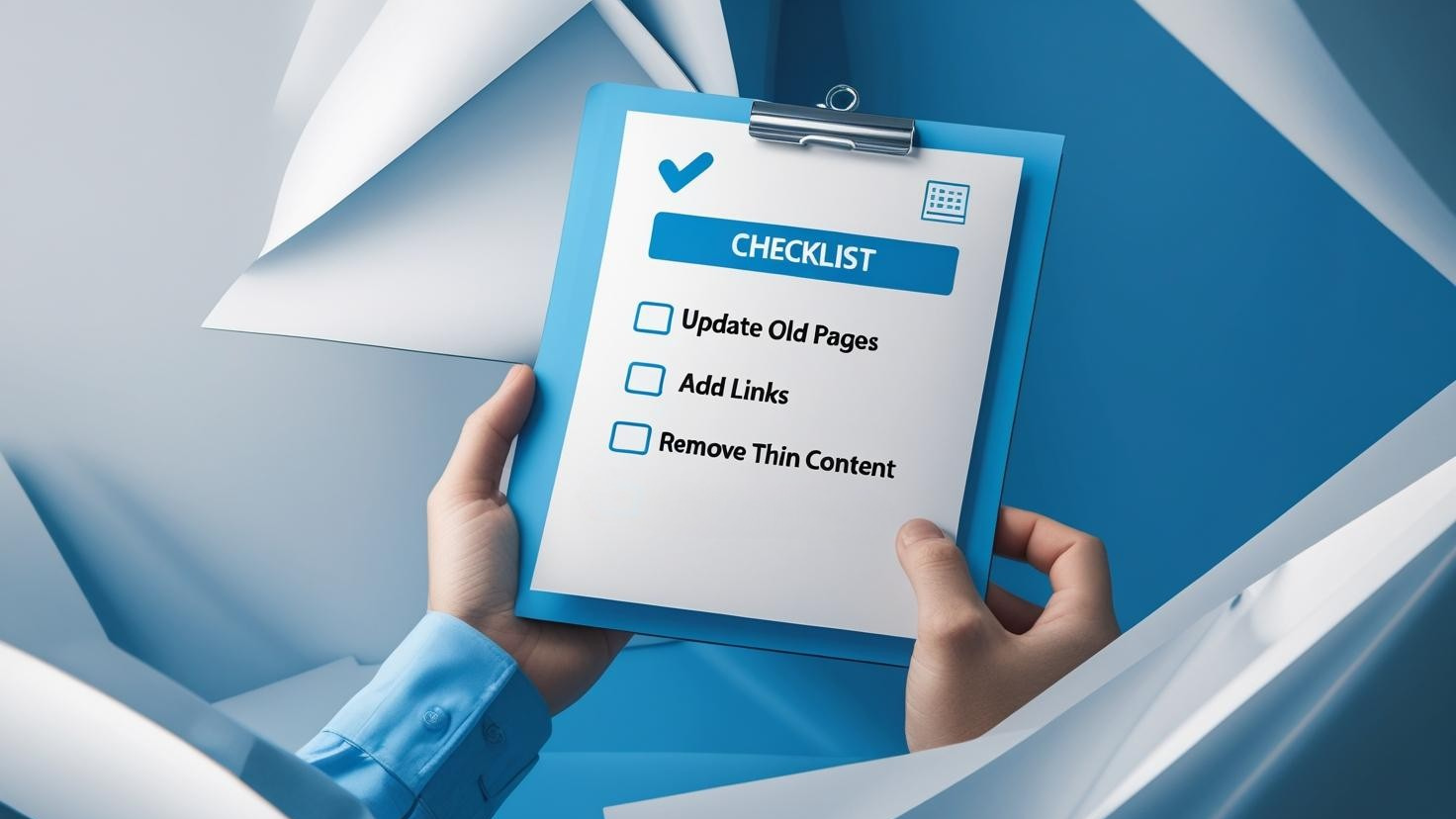
infographic of a checklist

How to Save Your Site and Boost Traffic

You don’t need to be a tech genius to recover from Google’s update. Here are simple steps to take control, with examples to guide you:

1. Audit Your Content

A content audit is like cleaning your closet—you keep what’s valuable and toss what’s outdated. Use Google Search Console to check which pages are “not indexed.” Go to Indexing > Pages > Filter by ‘Not indexed’ to see problem areas.

Example: Maria, a yoga instructor, found 50 blog posts from 2021 that Google no longer showed. She updated them with new tips and photos, and within a month, her site’s traffic grew by 10%.

Action: Review your pages. If they’re old or low-value, update them with fresh info or remove them.

2. Focus on Your Niche

Google loves websites that stick to one topic. If you run a plumbing business, don’t write about gardening—it confuses Google and readers. Instead, create content hubs, which are groups of articles about your main topic, linked together.

Example: A plumber in Denver created a content hub with articles like “How to Fix a Leaky Faucet” and “Why Your Pipes Freeze.” By linking these articles, his site ranked higher for “Denver plumber,” increasing service calls by 25%.

Action: Write in-depth articles about your business and link them to each other.

3. Update Old Pages

Fresh content signals to Google that your site is active. Add new stats, examples, or customer stories to old posts. A study by HubSpot found that updating old blog posts can increase traffic by up to 106%.

Example: A pet store owner refreshed a 2022 post about “Best Puppy Food” with 2025 feeding trends. The post jumped from page 3 to page 1 on Google, driving 200 new visitors monthly.

Action: Update one old post per week with current information.

4. Add Internal Links

Internal links are like roads connecting your website’s pages. They help Google understand your site and keep visitors exploring. A Backlinko study showed that pages with strong internal linking rank 40% higher on average.

Example: A coffee shop linked their “About Us” page to blog posts about their beans. This kept visitors on the site longer, boosting rankings for “local coffee shop.”

Action: Add 2-3 links to related pages in every article.

5. Show Your Expertise

Google’s E-E-A-T principles mean your content should show you’re an expert. Include author bios, cite credible sources, and share real-world experience. For example, a dentist who added her credentials and patient reviews to her site saw a 30% increase in appointment bookings.

Action: Add an “About the Author” section and link to trusted sources like industry studies.

Real-World Success Stories

  • Local Bakery: Lisa’s bakery (mentioned earlier) audited her site, removed outdated recipes, and added new dessert guides. Her traffic rebounded, and online orders grew by 25% in two months.

  • Fitness Trainer: Mike, a personal trainer, answered “How to start a home workout?” with a blog post and a client success story. His site appeared in Google’s PAA, leading to 150 new client inquiries.

  • Plumber’s Victory: A Texas plumber targeted “How to unclog a drain naturally?” with a clear answer and a video. His PAA appearance increased service calls by 20%.

FAQs About Google’s June 2025 Core Update

What is a Google Core Update?

A core update is when Google changes how it ranks websites to show better, more helpful content. The June 2025 update focused on removing low-quality pages.

How do I know if my site was affected?

Check Google Search Console under Indexing > Pages > Not indexed. If you see pages listed, they were removed from Google’s index.

How can I recover from a traffic drop?

Update old or low-value pages, focus on your niche, add internal links, and show your expertise with author bios and credible sources.

Why does topical authority matter?

Topical authority means being the best source for your topic. Google ranks these sites higher because they provide deep, helpful information.

How long does recovery take?

Recovery can take 3-6 months, often after the next core update. Keep improving content for steady gains.

Take Charge of Your SEO Today

Google’s June 2025 Core Update is not a roadblock—it’s a chance to shine. Like Lisa, who turned her bakery’s traffic loss into a 25% gain, you can transform your website into a customer magnet. By auditing your content, sticking to your niche, and showing your expertise, you’ll not only recover but dominate your market. Don’t wait for the next update to act. Book a call with our team today, and let’s make your business the next SEO success story! Click here to book a call!

SEO Google

126 Views

0 Comments

Write A Comment

*
*
Please complete the captcha to submit your comment.
Related Posts All Posts
08.01.2026

Stop Guessing: How to Track Your Social Media Dollars on Google Search

Master Google Search Console's new platform properties to track social media video performance, boost local SEO, and increase marketing ROI.

08.04.2026

Why Your 40 Fake City Pages Are Killing Your Local Google Rankings

Zero-impression city page templates drag down local SEO. Pruning dead pages restores domain trust and boosts your marketing ROI.

07.19.2026

Google's AI Search Warning: Why Your Content Is Being Ignored (And How to Fix It)

By Diane O’Brien, Chief Marketing Officer at Digital Marketing All.Google finally said the quiet part out loud.For years, marketers believed more content, more schema, and more SEO would eventually win.Now Google is telling people to stop.In its first guide on optimizing for AI Search, Google warns against creating dozens of similar articles, over-focusing on structured data, and chasing inauthentic mentions.Instead, it keeps coming back to one thing: Create “non-commodity content”.If your content says the same thing as everyone else's, AI has no reason to cite you.Neither does Google.The problem is that most companies don't realize how much of their content has become a commodity. It's optimized for keywords but adds nothing new… no original data, unique insights, or firsthand expertise.If that sounds like your site, schedule a call with us.We'll review your content, show you where AI Search may be overlooking your site, and identify opportunities to stand out.Key Takeaways:The rules changed: AI search engines reward original facts and firsthand experience over recycled keywords.Zero-click searches are rising: AI Overviews are dropping traditional organic click-through rates by up to 61%.Non-commodity content wins: AI platforms cite web pages that offer unique statistics, clear direct answers, and real data.Technical visibility is mandatory: Proper schema markup and plain HTML are strictly required for AI bots to parse your site.Local businesses can adapt: Upgrading to data-first tools helps you get found by both AI chats and local map packs.Real Businesses, Real GrowthLet's look at two local companies that faced this exact problem and found a way out.The first is a roofing contractor right here in Bedford, Massachusetts. They followed the old rulebook perfectly. They wrote long blog posts stuffed with service keywords. They paid for backlinks. But when AI search engines started taking over the top of the page, their phone stopped ringing. Their organic clicks fell off a cliff. They were totally invisible to AI platforms. They needed a way to appear everywhere people searched. They used our Total Web Dominance program. It helps clients get ahead simply by making sure their business appears across the entire web landscape. Within weeks, their brand mentions spiked, and AI bots started citing their website for local roofing queries.The second business is an emergency plumbing service over in Waltham, Massachusetts. They struggled to rank in the autocomplete bar. They were paying massive flat fees to an agency that promised exclusive rights to search terms but delivered zero calls. We showed them a better way with Search Box Optimization. We moved them to a performance-tied cost-per-click billing structure. They finally stopped paying fixed fees for empty promises and only paid for actual results. This pivot brought them real traffic and measurable phone calls. They moved away from commodity content and started answering the exact questions their customers asked.Both of these companies stopped chasing old metrics. They partnered with Digital Marketing All and shifted to a data-first approach that actually works.Why is my website not showing up in AI search results?Your website is not showing up in AI search results because it lacks structured data, original facts, and non-commodity content. Generative engines like ChatGPT and Google AI Overview look for direct answers, firsthand expertise, and statistical density, not just keyword repetition. Missing these elements prevents AI platforms from citing your pages. Local Search and the Map Pack AdvantageWhen it comes to local search, the rules change again. AI engines are getting much better at finding local businesses. But they still rely heavily on your local map signals.If you want to win local search, you need more than just a fast website. You need a trusted local footprint. The Google Map Pack is prime real estate. It shows up before the regular blue links. It often shows up right next to AI Overviews.To secure this spot, your business information must be perfect. Your name, address, and phone number need to match exactly across the whole internet. You also need a steady flow of real reviews. AI reads those reviews. It uses them to decide if you are a true expert. If your customer reviews mention specific services, AI is far more likely to suggest you for those services.Local search also requires strong on-page signals. If you run a business in Bedford, your website needs to talk about Bedford. It needs to show you actually work there. This is what we call local authority. You cannot fake local authority with AI-generated text. You have to build it with real stories, local proof, and community ties.Get Cited by AI (ChatGPT, Gemini, and Grok)Getting cited by AI is the new SEO. ChatGPT alone reached 900 million weekly active users in early 2026. These platforms do not read websites the way old search engines did. They do not care how many times you paste a keyword into a paragraph.AI engines look for facts. They map relationships between ideas. If you want ChatGPT or Gemini to cite you, you need to provide data they can extract. Research from Princeton University proves that adding statistics, quotes, and citations lifts your chances of an AI citation by over 40%.You also need technical clarity. AI bots struggle to read complicated code. For instance, JavaScript-rendered content fails AI parsing 77% of the time. If your best content is hidden behind fancy scripts, AI will just ignore it. Keep it simple. Use plain HTML and clear structured data.Grok, Gemini, and ChatGPT all prioritize non-commodity content. They want first-hand knowledge. They want tables, bullet points, and direct answers. You must structure your pages so an AI can read them in milliseconds. Give them the facts upfront. Put the most important answers in the very top 30% of your page.The Shortcut to AI VisibilityYou do not have to figure this all out alone. We have built systems that do the heavy lifting for you. Here are four ways Digital Marketing All can fast-track your success:1. Connect Sight This tool reveals the hidden traffic you are missing. It maps out your digital footprint and shows you exactly where competitors are beating you. Connect Sight gives you the raw data you need to make smart, profitable choices.2. Total Web Dominance This is our core visibility engine. It gets your name everywhere it needs to be. It simply helps you get ahead by making sure you appear everywhere your customers are looking.3. Search Box Optimization (SBO) Get found before the search even happens. We place your brand right in the autocomplete box. Our SBO services are not sold on an exclusive basis. They operate entirely on a performance-tied cost-per-click billing structure. You only pay for the clicks that actually happen.4. Growbotik Automation is key to scaling your business. Growbotik handles your customer follow-ups and lead generation without missing a beat. You can learn more at Growbotik.Stop Writing for Robots, Start Writing for AnswersThe best way to beat an AI is to act like a human. You have real experiences. You have helped real customers. You have data that no one else has.Use that data. When you write a blog post, include a real statistic. Tell a real story. Do not just copy what the top ten results say. If you only copy, you become a commodity.AI models are trained on the entire internet. If you say the same thing as ten other websites, you bring nothing new to the table. You offer no Information Gain. Google's recent updates specifically target this kind of content. They want to see your unique perspective. They want to see your firsthand experience.Focus on creating clear, punchy content. Keep your sentences active. Make your content easy to read. A fifth-grade reading level is perfect. It is fast, clear, and direct. AI engines love clear writing. So do humans.As an accountant turned Chief Marketing Officer, I look at content the exact same way I look at an investment portfolio.If you invest in the exact same index fund as everyone else, you get average returns. But in the world of AI search, average returns equal zero traffic. If your website says the exact same thing as ten other websites, AI engines have no reason to pull your data.This is the core difference between commodity and non-commodity content.What is Non-Commodity Content?Non-commodity content is information that only you can create. It brings net-new information to the internet. Google calls this "Information Gain."It cannot be easily guessed by an AI or copied by a competitor because it relies on your real-world experience. It includes:First-party data and statistics you gathered.Specific case studies from your actual clients.Strong, expert opinions that challenge the industry standard.Custom graphics, actual photos, or local stories.If you delete your author name from an article and it still makes perfect sense on a competitor's website, you wrote a commodity.The Difference in ActionLet’s look at exactly how this plays out in the real world. Notice how the commodity examples just repeat basic facts, while the non-commodity examples prove authority.Example 1: A Local Roofing CompanyTypeThe ContentWhy It Fails or WinsCommodity“5 Signs You Need a New Roof. 1. Missing shingles. 2. Leaks in the attic...”Fails: ChatGPT already knows this. Every roofing site in the world has this exact list. It adds zero value.Non-Commodity“We inspected 40 roofs in Bedford after the May hail storm. Here is the exact damage we found on asphalt versus metal roofs.”Wins: It uses local data, a specific time frame, and real numbers. No AI can generate this without citing the roofer.Example 2: A Marketing Agency (Our World)TypeThe ContentWhy It Fails or WinsCommodity“Why Search Box Optimization is Good for Business.”Fails: It is generic fluff. It explains what a service is, but not how it works in the real world.Non-Commodity“How we used Search Box Optimization to cut a client's cost-per-lead by 42%. Because we use a performance-tied cost-per-click billing structure instead of fixed fees, they only paid for real results.”Wins: It shares a specific financial outcome and explains the exact billing structure that made it work.Example 3: An Emergency PlumberTypeThe ContentWhy It Fails or WinsCommodity“How to Unclog a Drain with Baking Soda and Vinegar.”Fails: This is a recycled answer from 2012. Google AI Overviews will answer this directly without ever sending the user to your site.Non-Commodity“The 3 most common pipe failures we fix in Massachusetts during freezing temperatures (and exactly what the repair costs).”Wins: It provides transparent pricing and hyper-local expertise. AI engines love structured pricing data.How to Stop Writing CommoditiesYou do not need to write longer articles to win. You need to write smarter ones.Next time you sit down to create content for your business, ask yourself: What do I know that a robot does not?When we run our Total Web Dominance program for clients, we do not just blast generic articles across the web. We find their unique data points. We format those points with clear schema markup so AI agents can instantly read them. Our goal is to make our clients the undisputed source of truth in their market.When you become the source of truth, you stop competing for clicks. You start commanding them.Answer the Questions People Are Actually AskingAnother way to win is to answer real questions. Look at what people are asking online. Look at the "People Also Ask" boxes. Answer those exact questions on your own site.Make your answers short and clear. Use bullet points. Use bold text to highlight the main point. Make it impossible for the AI to misunderstand you. When you do this, you increase your chances of becoming the featured answer. Build Trust With Real CitationsTrust is the currency of the new web. AI engines need to know they can trust you. How do you prove that? By citing real authorities.Link to credible sources. When you make a claim, back it up. If you say AI search is growing, cite the exact data. By associating your website with trusted sources, you elevate your own authority. This is a core part of Agentic Interoperability Management. AI agents talk to each other. They verify facts across multiple sources. Make sure your facts line up.Frequently Asked QuestionsHow do I optimize my website for AI search? You optimize for AI search by providing clear, direct answers to common questions. Add original statistics, use simple HTML, and ensure your site uses clear headings. Focus on sharing firsthand experience rather than repeating generic information.What is the difference between GEO and SEO? Traditional SEO focuses on keywords and backlinks to rank in search results. Generative Engine Optimization (GEO) focuses on fact density, direct answers, and entity relationships to get cited by AI chatbots and overviews.How does Google choose content for AI Overviews? Google chooses content that offers original insights and high fact density. It looks for trusted sites that provide direct, clear answers in the top portion of the page. It heavily favors non-commodity content.What is non-commodity content? Non-commodity content offers something unique. It includes original data, personal experience, case studies, or strong opinions. It cannot be easily replicated by AI or found on a dozen other generic websites.Does schema markup matter for AI search? Yes, it matters deeply. Schema markup helps AI crawlers instantly understand what your page is about. Missing structured data can create massive gaps in your AI search visibility.How do I get my business cited by ChatGPT? To get cited by ChatGPT, ensure your brand is mentioned across credible news sites and directories. On your own site, use clear formatting, cite original facts, and use schema markup to help the AI extract your information.Your Next Steps to GrowthThe era of easy keyword traffic is over. The internet is flooded with generic articles. AI has changed how people search, and it has changed how businesses must respond. If your business relies on old methods, you are losing ground. But this shift is also a massive opportunity. The brands that adapt now will capture the lion's share of the traffic. You do not need to fight the AI. You just need to give it the original, data-rich answers it craves. Stop blending in. Start standing out with real authority.I hope you enjoy reading this blog post. If you want to be our next success story, have my team do your marketing. Click here to book a call!Recommended ReadingHow Connect Sight Uncovers Your Hidden AI TrafficTotal Web Dominance: Moving Beyond Traditional SEOThe Local Authority Engine: Winning the Map Pack in 2026

© 2026 Digital Marketing All All Rights Reserved. 30 Shawsheen Ave, Suite 3, Bedford, MA 01730 . Contact Us . Terms of Service . Privacy Policy

eyJjb21wYW55IjoiRGlnaXRhbCBNYXJrZXRpbmcgQWxsIiwiYWRkcmVzcyI6IjMwIFNoYXdzaGVlbiBBdmUsIFN1aXQgMywgQmVkZm9yZCwgTUEgMDE3MzAiLCJjaXR5IjoiQmVkZm9yZCIsInN0YXRlIjoiTUEiLCJ6aXAiOiIwMTczMCIsImVtYWlsIjoiZGlhbmVAZGlnaXRhbG1hcmtldGluZ2FsbC5vcmciLCJ0b3MiOiJQSEErUEhOMGNtOXVaejQ4WlcwK1YyaGxiaUI1YjNVZ2MybG5iaTFwYmlCM2FYUm9JSFZ6TENCNWIzVWdZWEpsSUdkcGRtbHVaeVp1WW5Od095QjViM1Z5SUhCbGNtMXBjM05wYjI0Z1lXNWtJR052Ym5ObGJuUWdkRzhnYzJWdVpDQjViM1VnWlcxaGFXd2dZVzVrTDI5eUlGTk5VeUIwWlhoMElHMWxjM05oWjJWekxpQkNlU0JqYUdWamEybHVaeUIwYUdVZ1ZHVnliWE1nWVc1a0lFTnZibVJwZEdsdmJuTWdZbTk0SUdGdVpDQmllU0J6YVdkdWFXNW5JR2x1SUhsdmRTQmhkWFJ2YldGMGFXTmhiR3g1SUdOdmJtWnBjbTBnZEdoaGRDQjViM1VnWVdOalpYQjBJR0ZzYkNCMFpYSnRjeUJwYmlCMGFHbHpJR0ZuY21WbGJXVnVkQzQ4TDJWdFBqd3ZjM1J5YjI1blBqd3ZjRDRLQ2p4d1BqeGhJR2h5WldZOUltaDBkSEE2THk5M2QzY3VaMjl2WjJ4bExtTnZiU0krYUhSMGNEb3ZMM2QzZHk1bmIyOW5iR1V1WTI5dFBDOWhQand2Y0Q0S0NqeHdQaVp1WW5Od096d3ZjRDRLQ2p4d1BqeHpkSEp2Ym1jK1UwVlNWa2xEUlR3dmMzUnliMjVuUGp3dmNENEtDanh3UGxkbElIQnliM1pwWkdVZ1lTQnpaWEoyYVdObElIUm9ZWFFnWTNWeWNtVnVkR3g1SUdGc2JHOTNjeUI1YjNVZ2RHOGdjbVZqWldsMlpTQnlaWEYxWlhOMGN5Qm1iM0lnWm1WbFpHSmhZMnNzSUdOdmJYQmhibmtnYVc1bWIzSnRZWFJwYjI0c0lIQnliMjF2ZEdsdmJtRnNJR2x1Wm05eWJXRjBhVzl1TENCamIyMXdZVzU1SUdGc1pYSjBjeXdnWTI5MWNHOXVjeXdnWkdselkyOTFiblJ6SUdGdVpDQnZkR2hsY2lCdWIzUnBabWxqWVhScGIyNXpJSFJ2SUhsdmRYSWdaVzFoYVd3Z1lXUmtjbVZ6Y3lCaGJtUXZiM0lnWTJWc2JIVnNZWElnY0dodmJtVWdiM0lnWkdWMmFXTmxMaUJaYjNVZ2RXNWtaWEp6ZEdGdVpDQmhibVFnWVdkeVpXVWdkR2hoZENCMGFHVWdVMlZ5ZG1salpTQnBjeUJ3Y205MmFXUmxaQ0FtY1hWdmREdEJVeTFKVXlaeGRXOTBPeUJoYm1RZ2RHaGhkQ0IzWlNCaGMzTjFiV1VnYm04Z2NtVnpjRzl1YzJsaWFXeHBkSGtnWm05eUlIUm9aU0IwYVcxbGJHbHVaWE56TENCa1pXeGxkR2x2Yml3Z2JXbHpMV1JsYkdsMlpYSjVJRzl5SUdaaGFXeDFjbVVnZEc4Z2MzUnZjbVVnWVc1NUlIVnpaWElnWTI5dGJYVnVhV05oZEdsdmJuTWdiM0lnY0dWeWMyOXVZV3hwZW1GMGFXOXVJSE5sZEhScGJtZHpMand2Y0Q0S0NqeHdQbGx2ZFNCaGNtVWdjbVZ6Y0c5dWMybGliR1VnWm05eUlHOWlkR0ZwYm1sdVp5QmhZMk5sYzNNZ2RHOGdkR2hsSUZObGNuWnBZMlVnWVc1a0lIUm9ZWFFnWVdOalpYTnpJRzFoZVNCcGJuWnZiSFpsSUhSb2FYSmtJSEJoY25SNUlHWmxaWE1nS0hOMVkyZ2dZWE1nVTAxVElIUmxlSFFnYldWemMyRm5aWE1zSUVsdWRHVnlibVYwSUhObGNuWnBZMlVnY0hKdmRtbGtaWElnYjNJZ1kyVnNiSFZzWVhJZ1lXbHlkR2x0WlNCamFHRnlaMlZ6S1M0Z1dXOTFJR0Z5WlNCeVpYTndiMjV6YVdKc1pTQm1iM0lnZEdodmMyVWdabVZsY3l3Z2FXNWpiSFZrYVc1bklIUm9iM05sSUdabFpYTWdZWE56YjJOcFlYUmxaQ0IzYVhSb0lIUm9aU0JrYVhOd2JHRjVJRzl5SUdSbGJHbDJaWEo1SUc5bUlHVmhZMmdnVTAxVElIUmxlSFFnYldWemMyRm5aU0J6Wlc1MElIUnZJSGx2ZFNCaWVTQjFjeTRnU1c0Z1lXUmthWFJwYjI0c0lIbHZkU0J0ZFhOMElIQnliM1pwWkdVZ1lXNWtJR0Z5WlNCeVpYTndiMjV6YVdKc1pTQm1iM0lnWVd4c0lHVnhkV2x3YldWdWRDQnVaV05sYzNOaGNua2dkRzhnWVdOalpYTnpJSFJvWlNCVFpYSjJhV05sSUdGdVpDQnlaV05sYVhabElIUm9aU0JUVFZNZ2RHVjRkQ0J0WlhOellXZGxjeTRnVjJVZ1pHOGdibTkwSUdOb1lYSm5aU0JoYm5rZ1ptVmxjeUJtYjNJZ1pHVnNhWFpsY25rZ2IyWWdaVzFoYVd3Z2IzSWdVMDFUTGlCVWFHbHpJR2x6SUdFZ1puSmxaU0J6WlhKMmFXTmxJSEJ5YjNacFpHVmtJR0o1SUhWekxpQkliM2RsZG1WeUxDQndiR1ZoYzJVZ1kyaGxZMnNnZDJsMGFDQjViM1Z5SUdsdWRHVnlibVYwSUhObGNuWnBZMlVnY0hKdmRtbGtaWElnWVc1a0lHTmxiR3gxYkdGeUlHTmhjbkpwWlhJZ1ptOXlJR0Z1ZVNCamFHRnlaMlZ6SUhSb1lYUWdiV0Y1SUdsdVkzVnlJR0Z6SUdFZ2NtVnpkV3gwSUdaeWIyMGdjbVZqWldsMmFXNW5JR1Z0WVdsc0lHRnVaQ0JUVFZNZ2RHVjRkQ0J0WlhOellXZGxjeUIwYUdGMElIZGxJR1JsYkdsMlpYSWdkWEJ2YmlCNWIzVnlJRzl3ZEMxcGJpQmhibVFnY21WbmFYTjBjbUYwYVc5dUlIZHBkR2dnYjNWeUlHVnRZV2xzSUdGdVpDQlRUVk1nYzJWeWRtbGpaWE11SUZsdmRTQmpZVzRnWTJGdVkyVnNJR0YwSUdGdWVTQjBhVzFsTGlCS2RYTjBJSFJsZUhRZ0puRjFiM1E3VTFSUFVDWnhkVzkwT3lCMGJ5WnVZbk53T3p4b2FXZG9iR2xuYUhRZ1kyeGhjM005SW1OdmJYQmhibmxUVFZOUWFHOXVaVlZ3WkdGMFpTSStiblZzYkR3dmFHbG5hR3hwWjJoMFBpNGdRV1owWlhJZ2VXOTFJSE5sYm1RZ2RHaGxJRk5OVXlCdFpYTnpZV2RsSUNaeGRXOTBPMU5VVDFBbWNYVnZkRHNnZEc4Z2RYTXNJSGRsSUhkcGJHd2djMlZ1WkNCNWIzVWdZVzRnVTAxVElHMWxjM05oWjJVZ2RHOGdZMjl1Wm1seWJTQjBhR0YwSUhsdmRTQm9ZWFpsSUdKbFpXNGdkVzV6ZFdKelkzSnBZbVZrTGlCQlpuUmxjaUIwYUdsekxDQjViM1VnZDJsc2JDQnVieUJzYjI1blpYSWdjbVZqWldsMlpTQlRUVk1nYldWemMyRm5aWE1nWm5KdmJTQjFjeTQ4TDNBK0NnbzhjRDQ4YzNSeWIyNW5QbGxQVlZJZ1VrVkhTVk5VVWtGVVNVOU9JRTlDVEVsSFFWUkpUMDVUUEM5emRISnZibWMrUEM5d1Bnb0tQSEErU1c0Z1kyOXVjMmxrWlhKaGRHbHZiaUJ2WmlCNWIzVnlJSFZ6WlNCdlppQjBhR1VnVTJWeWRtbGpaU3dnZVc5MUlHRm5jbVZsSUhSdk9qd3ZjRDRLQ2p4dmJENEtDVHhzYVQ1d2NtOTJhV1JsSUhSeWRXVXNJR0ZqWTNWeVlYUmxMQ0JqZFhKeVpXNTBJR0Z1WkNCamIyMXdiR1YwWlNCcGJtWnZjbTFoZEdsdmJpQmhZbTkxZENCNWIzVnljMlZzWmlCaGN5QndjbTl0Y0hSbFpDQmllU0IwYUdVZ1UyVnlkbWxqWlNZak16azdjeUJ5WldkcGMzUnlZWFJwYjI0Z1ptOXliU0FvYzNWamFDQnBibVp2Y20xaGRHbHZiaUJpWldsdVp5QjBhR1VnSm5GMWIzUTdVbVZuYVhOMGNtRjBhVzl1SUVSaGRHRW1jWFZ2ZERzcElHRnVaRHd2YkdrK0NnazhiR2srYldGcGJuUmhhVzRnWVc1a0lIQnliMjF3ZEd4NUlIVndaR0YwWlNCMGFHVWdVbVZuYVhOMGNtRjBhVzl1SUVSaGRHRWdkRzhnYTJWbGNDQnBkQ0IwY25WbExDQmhZMk4xY21GMFpTd2dZM1Z5Y21WdWRDQmhibVFnWTI5dGNHeGxkR1V1SUVsbUlIbHZkU0J3Y205MmFXUmxJR0Z1ZVNCcGJtWnZjbTFoZEdsdmJpQjBhR0YwSUdseklIVnVkSEoxWlN3Z2FXNWhZMk4xY21GMFpTd2dibTkwSUdOMWNuSmxiblFnYjNJZ2FXNWpiMjF3YkdWMFpTd2diM0lnZDJVZ2FHRjJaU0J5WldGemIyNWhZbXhsSUdkeWIzVnVaSE1nZEc4Z2MzVnpjR1ZqZENCMGFHRjBJSE4xWTJnZ2FXNW1iM0p0WVhScGIyNGdhWE1nZFc1MGNuVmxMQ0JwYm1GalkzVnlZWFJsTENCdWIzUWdZM1Z5Y21WdWRDQnZjaUJwYm1OdmJYQnNaWFJsTENCM1pTQm9ZWFpsSUhSb1pTQnlhV2RvZENCMGJ5QnpkWE53Wlc1a0lHOXlJRHh6ZEhKdmJtYytQSE53WVc0Z2MzUjViR1U5SW1OdmJHOXlPaU5HUmpBd01EQTdJajUwWlhKdGFXNWhkR1VnZVc5MWNpQmhZMk52ZFc1MEwzQnliMlpwYkdVZ1lXNWtJSEpsWm5WelpTQmhibmtnWVc1a0lHRnNiQ0JqZFhKeVpXNTBJRzl5SUdaMWRIVnlaU0IxYzJVZ2IyWWdkR2hsSUZObGNuWnBZMlVnS0c5eUlHRnVlU0J3YjNKMGFXOXVJSFJvWlhKbGIyWXBMand2YzNCaGJqNDhMM04wY205dVp6NDhMMnhwUGdvOEwyOXNQZ29LUEhBK0ptNWljM0E3UEM5d1BnbzhhR2xuYUd4cFoyaDBJR05zWVhOelBTSmpiMjF3WVc1NVRtRnRaVlZ3WkdGMFpTSStSR2xuYVhSaGJDQk5ZWEpyWlhScGJtY2dRV3hzUEM5b2FXZG9iR2xuYUhRK1BHSnlJQzgrQ2p4b2FXZG9iR2xuYUhRZ1kyeGhjM005SW1OdmJYQmhibmxCWkdSeVpYTnpWWEJrWVhSbElqNHpNQ0JUYUdGM2MyaGxaVzRnUVhabExDQlRkV2wwWlNBekxDQkNaV1JtYjNKa0xDQk5RU0F3TVRjek1Ed3ZhR2xuYUd4cFoyaDBQanhpY2lBdlBnbzhhR2xuYUd4cFoyaDBJR05zWVhOelBTSmpiMjF3WVc1NVVHaHZibVZWY0dSaGRHVWlQaXN4SUNzeE1qQTNOekV3TVRRME9Ud3ZhR2xuYUd4cFoyaDBQanhpY2lBdlBnbzhhR2xuYUd4cFoyaDBJR05zWVhOelBTSmpiMjF3WVc1NVJXMWhhV3hWY0dSaGRHVWlQbWx1Wm05QVpHbG5hWFJoYkcxaGNtdGxkR2x1WjJGc2JDNXZjbWM4TDJocFoyaHNhV2RvZEQ0PSIsInByaXZhY3kiOiJQSEErUEhOMGNtOXVaejVRVWtsV1FVTlpQQzl6ZEhKdmJtYytQQzl3UGdvS1BIQStQSE4wY205dVp6NVVhR1VnYVc1bWIzSnRZWFJwYjI0Z2NISnZkbWxrWldRZ1pIVnlhVzVuSUhSb2FYTWdjbVZuYVhOMGNtRjBhVzl1SUdseklHdGxjSFFnY0hKcGRtRjBaU0JoYm1RZ1kyOXVabWxrWlc1MGFXRnNMQ0JoYm1RZ2QybHNiQ0J1WlhabGNpQmlaU0JrYVhOMGNtbGlkWFJsWkN3Z1kyOXdhV1ZrTENCemIyeGtMQ0IwY21Ga1pXUWdiM0lnY0c5emRHVmtJR2x1SUdGdWVTQjNZWGtzSUhOb1lYQmxJRzl5SUdadmNtMHVJRlJvYVhNZ2FYTWdiM1Z5SUdkMVlYSmhiblJsWlM0OEwzTjBjbTl1Wno0OEwzQStDZ284Y0Q0OGMzUnliMjVuUGtsT1JFVk5Ua2xVV1R3dmMzUnliMjVuUGp3dmNENEtDanh3UGp4bGJUNVpiM1VnWVdkeVpXVWdkRzhnYVc1a1pXMXVhV1o1SUdGdVpDQm9iMnhrSUhWekxDQmhibVFnYVhSeklITjFZbk5wWkdsaGNtbGxjeXdnWVdabWFXeHBZWFJsY3l3Z2IyWm1hV05sY25Nc0lHRm5aVzUwY3l3Z1kyOHRZbkpoYm1SbGNuTWdiM0lnYjNSb1pYSWdjR0Z5ZEc1bGNuTXNJR0Z1WkNCbGJYQnNiM2xsWlhNc0lHaGhjbTFzWlhOeklHWnliMjBnWVc1NUlHTnNZV2x0SUc5eUlHUmxiV0Z1WkN3Z2FXNWpiSFZrYVc1bklISmxZWE52Ym1GaWJHVWdZWFIwYjNKdVpYbHpKaU16T1RzZ1ptVmxjeXdnYldGa1pTQmllU0JoYm5rZ2RHaHBjbVFnY0dGeWRIa2daSFZsSUhSdklHOXlJR0Z5YVhOcGJtY2diM1YwSUc5bUlFTnZiblJsYm5RZ2VXOTFJSEpsWTJWcGRtVXNJSE4xWW0xcGRDd2djbVZ3Ykhrc0lIQnZjM1FzSUhSeVlXNXpiV2wwSUc5eUlHMWhhMlVnWVhaaGFXeGhZbXhsSUhSb2NtOTFaMmdnZEdobElGTmxjblpwWTJVc0lIbHZkWElnZFhObElHOW1JSFJvWlNCVFpYSjJhV05sTENCNWIzVnlJR052Ym01bFkzUnBiMjRnZEc4Z2RHaGxJRk5sY25acFkyVXNJSGx2ZFhJZ2RtbHZiR0YwYVc5dUlHOW1JSFJvWlNCVVQxTXNJRzl5SUhsdmRYSWdkbWx2YkdGMGFXOXVJRzltSUdGdWVTQnlhV2RvZEhNZ2IyWWdZVzV2ZEdobGNpNDhMMlZ0UGp3dmNENEtDanh3UGp4emRISnZibWMrUkVsVFEweEJTVTFGVWlCUFJpQlhRVkpTUVU1VVNVVlRQQzl6ZEhKdmJtYytQQzl3UGdvS1BIQStQSE4wY205dVp6NVpUMVVnUlZoUVVrVlRVMHhaSUZWT1JFVlNVMVJCVGtRZ1FVNUVJRUZIVWtWRklGUklRVlE2UEM5emRISnZibWMrUEM5d1Bnb0tQRzlzUGdvSlBHeHBQbGxQVlZJZ1ZWTkZJRTlHSUZSSVJTQlRSVkpXU1VORklFbFRJRUZVSUZsUFZWSWdVMDlNUlNCU1NWTkxMaUJVU0VVZ1UwVlNWa2xEUlNCSlV5QlFVazlXU1VSRlJDQlBUaUJCVGlBbWNYVnZkRHRCVXlCSlV5WnhkVzkwT3lCQlRrUWdKbkYxYjNRN1FWTWdRVlpCU1V4QlFreEZKbkYxYjNRN0lFSkJVMGxUTGlBc0xpQkJUa1FnVlZNc0lFbFVKaU16T1R0VElFTlZVMVJQVFVWU1V5d2dSVmhRVWtWVFUweFpJRVJKVTBOTVFVbE5VeUJCVEV3Z1YwRlNVa0ZPVkVsRlV5QlBSaUJCVGxrZ1MwbE9SQ3dnVjBoRlZFaEZVaUJGV0ZCU1JWTlRJRTlTSUVsTlVFeEpSVVFzSUVsT1EweFZSRWxPUnl3Z1FsVlVJRTVQVkNCTVNVMUpWRVZFSUZSUElGUklSU0JKVFZCTVNVVkVJRmRCVWxKQlRsUkpSVk1nVDBZZ1RVVlNRMGhCVGxSQlFrbE1TVlJaTENCR1NWUk9SVk5USUVaUFVpQkJJRkJCVWxSSlExVk1RVklnVUZWU1VFOVRSU0JCVGtRZ1RrOU9MVWxPUmxKSlRrZEZUVVZPVkM0OEwyeHBQZ29KUEd4cFBrMUJTMFZUSUU1UElGZEJVbEpCVGxSWklGUklRVlFnS0drcElGUklSU0JUUlZKV1NVTkZJRmRKVEV3Z1RVVkZWQ0JaVDFWU0lGSkZVVlZKVWtWTlJVNVVVeXdnS0dscEtTQlVTRVVnVTBWU1ZrbERSU0JYU1V4TUlFSkZJRlZPU1U1VVJWSlNWVkJVUlVRc0lGUkpUVVZNV1N3Z1UwVkRWVkpGTENCUFVpQkZVbEpQVWkxR1VrVkZMQ0FvYVdscEtTQlVTRVVnVWtWVFZVeFVVeUJVU0VGVUlFMUJXU0JDUlNCUFFsUkJTVTVGUkNCR1VrOU5JRlJJUlNCVlUwVWdUMFlnVkVoRklGTkZVbFpKUTBVZ1YwbE1UQ0JDUlNCQlEwTlZVa0ZVUlNCUFVpQlNSVXhKUVVKTVJTd2dRVTVFSUNocGRpa2dRVTVaSUVWU1VrOVNVeUJKVGlCVVNFVWdVMDlHVkZkQlVrVWdWMGxNVENCQ1JTQkRUMUpTUlVOVVJVUXVQQzlzYVQ0S0NUeHNhVDVCVGxrZ1RVRlVSVkpKUVV3Z1JFOVhUa3hQUVVSRlJDQlBVaUJQVkVoRlVsZEpVMFVnVDBKVVFVbE9SVVFnVkVoU1QxVkhTQ0JVU0VVZ1ZWTkZJRTlHSUZSSVJTQlRSVkpXU1VORklFbFRJRVJQVGtVZ1FWUWdXVTlWVWlCUFYwNGdSRWxUUTFKRlZFbFBUaUJCVGtRZ1VrbFRTeUJCVGtRZ1ZFaEJWQ0JaVDFVZ1YwbE1UQ0JDUlNCVFQweEZURmtnVWtWVFVFOU9VMGxDVEVVZ1JrOVNJRUZPV1NCRVFVMUJSMFVnVkU4Z1dVOVZVaUJEVDAxUVZWUkZVaUJUV1ZOVVJVMGdUMUlnVEU5VFV5QlBSaUJFUVZSQklGUklRVlFnVWtWVFZVeFVVeUJHVWs5TklGUklSU0JFVDFkT1RFOUJSQ0JQUmlCQlRsa2dVMVZEU0NCTlFWUkZVa2xCVEM0OEwyeHBQZ29KUEd4cFBrNVBJRUZFVmtsRFJTQlBVaUJKVGtaUFVrMUJWRWxQVGl3Z1YwaEZWRWhGVWlCUFVrRk1JRTlTSUZkU1NWUlVSVTRzSUU5Q1ZFRkpUa1ZFSUVKWklGbFBWU0JHVWs5TklFOVNJRlJJVWs5VlIwZ2dUMUlnUmxKUFRTQlVTRVVnVTBWU1ZrbERSU0JUU0VGTVRDQkRVa1ZCVkVVZ1FVNVpJRmRCVWxKQlRsUlpJRTVQVkNCRldGQlNSVk5UVEZrZ1UxUkJWRVZFSUVsT0lGUklSU0JVVDFNdVBDOXNhVDRLUEM5dmJENEtDanh3UGp4emRISnZibWMrVEVsTlNWUkJWRWxQVGlCUFJpQk1TVUZDU1V4SlZGazhMM04wY205dVp6NDhMM0ErQ2dvOGNENVpUMVVnUlZoUVVrVlRVMHhaSUZWT1JFVlNVMVJCVGtRZ1FVNUVJRUZIVWtWRklGUklRVlFnUVU1RUlGTklRVXhNSUU1UFZDQkNSU0JNU1VGQ1RFVWdSazlTSUVGT1dTQkVTVkpGUTFRc0lFbE9SRWxTUlVOVUxDQkpUa05KUkVWT1ZFRk1MQ0JUVUVWRFNVRk1MQ0JEVDA1VFJWRlZSVTVVU1VGTUlFOVNJRVZZUlUxUVRFRlNXU0JFUVUxQlIwVlRMQ0JKVGtOTVZVUkpUa2NnUWxWVUlFNVBWQ0JNU1UxSlZFVkVJRlJQTENCRVFVMUJSMFZUSUVaUFVpQk1UMU5USUU5R0lGQlNUMFpKVkZNc0lFZFBUMFJYU1V4TUxDQlZVMFVzSUVSQlZFRWdUMUlnVDFSSVJWSWdTVTVVUVU1SFNVSk1SU0JNVDFOVFJWTWdLRVZXUlU0Z1NVWWdTRUZUSUVKRlJVNGdRVVJXU1ZORlJDQlBSaUJVU0VVZ1VFOVRVMGxDU1V4SlZGa2dUMFlnVTFWRFNDQkVRVTFCUjBWVEtTd2dVa1ZUVlV4VVNVNUhJRVpTVDAwNlBDOXdQZ29LUEc5c1Bnb0pQR3hwUGxSSVJTQlZVMFVnVDFJZ1ZFaEZJRWxPUVVKSlRFbFVXU0JVVHlCVlUwVWdWRWhGSUZORlVsWkpRMFU3UEM5c2FUNEtDVHhzYVQ1VVNFVWdRMDlUVkNCUFJpQlFVazlEVlZKRlRVVk9WQ0JQUmlCVFZVSlRWRWxVVlZSRklFZFBUMFJUSUVGT1JDQlRSVkpXU1VORlV5QlNSVk5WVEZSSlRrY2dSbEpQVFNCQlRsa2dSMDlQUkZNc0lFUkJWRUVzSUVsT1JrOVNUVUZVU1U5T0lFOVNJRk5GVWxaSlEwVlRJRkJWVWtOSVFWTkZSQ0JQVWlCUFFsUkJTVTVGUkNCUFVpQk5SVk5UUVVkRlV5QlNSVU5GU1ZaRlJDQlBVaUJVVWtGT1UwRkRWRWxQVGxNZ1JVNVVSVkpGUkNCSlRsUlBJRlJJVWs5VlIwZ2dUMUlnUmxKUFRTQlVTRVVnVTBWU1ZrbERSVHM4TDJ4cFBnb0pQR3hwUGxWT1FWVlVTRTlTU1ZwRlJDQkJRME5GVTFNZ1ZFOGdUMUlnUVV4VVJWSkJWRWxQVGlCUFJpQlpUMVZTSUZSU1FVNVRUVWxUVTBsUFRsTWdUMUlnUkVGVVFUczhMMnhwUGdvSlBHeHBQbE5VUVZSRlRVVk9WRk1nVDFJZ1EwOU9SRlZEVkNCUFJpQkJUbGtnVkVoSlVrUWdVRUZTVkZrZ1QwNGdWRWhGSUZORlVsWkpRMFU3SUU5U1BDOXNhVDRLQ1R4c2FUNUJUbGtnVDFSSVJWSWdUVUZVVkVWU0lGSkZURUZVU1U1SElGUlBJRlJJUlNCVFJWSldTVU5GTGp3dmJHaytDand2YjJ3K0NnbzhjRDQ4ZFQ1Q2VTQnlaV2RwYzNSbGNtbHVaeUJoYm1RZ2MzVmljMk55YVdKcGJtY2dkRzhnYjNWeUlHVnRZV2xzSUdGdVpDQlRUVk1nYzJWeWRtbGpaU3dnWW5rZ2IzQjBMV2x1TENCdmJteHBibVVnY21WbmFYTjBjbUYwYVc5dUlHOXlJR0o1SUdacGJHeHBibWNnYjNWMElHRWdZMkZ5WkN3Z0puRjFiM1E3ZVc5MUlHRm5jbVZsSUhSdklIUm9aWE5sSUZSRlVrMVRJRTlHSUZORlVsWkpRMFVtY1hWdmREc2dZVzVrSUhsdmRTQmhZMnR1YjNkc1pXUm5aU0JoYm1RZ2RXNWtaWEp6ZEdGdVpDQjBhR1VnWVdKdmRtVWdkR1Z5YlhNZ2IyWWdjMlZ5ZG1salpTQnZkWFJzYVc1bFpDQmhibVFnWkdWMFlXbHNaV1FnWm05eUlIbHZkU0IwYjJSaGVTNDhMM1UrUEM5d1Bnb0tQSEErSm01aWMzQTdQQzl3UGdvOGFHbG5hR3hwWjJoMElHTnNZWE56UFNKamIyMXdZVzU1VG1GdFpWVndaR0YwWlNJK1JHbG5hWFJoYkNCTllYSnJaWFJwYm1jZ1FXeHNQQzlvYVdkb2JHbG5hSFErUEdKeUlDOCtDanhvYVdkb2JHbG5hSFFnWTJ4aGMzTTlJbU52YlhCaGJubEJaR1J5WlhOelZYQmtZWFJsSWo0ek1DQlRhR0YzYzJobFpXNGdRWFpsTENCVGRXbDBaU0F6TENCQ1pXUm1iM0prTENCTlFTQXdNVGN6TUR3dmFHbG5hR3hwWjJoMFBqeGljaUF2UGdvOGFHbG5hR3hwWjJoMElHTnNZWE56UFNKamIyMXdZVzU1VUdodmJtVlZjR1JoZEdVaVBpc3hJQ3N4TWpBM056RXdNVFEwT1R3dmFHbG5hR3hwWjJoMFBqeGljaUF2UGdvOGFHbG5hR3hwWjJoMElHTnNZWE56UFNKamIyMXdZVzU1UlcxaGFXeFZjR1JoZEdVaVBtbHVabTlBWkdsbmFYUmhiRzFoY210bGRHbHVaMkZzYkM1dmNtYzhMMmhwWjJoc2FXZG9kRDQ9In0=

Terms of Service

Privacy Policy

Core Modal Title

Sorry, no results found

You Might Find These Articles Interesting

T
Please Check Your Email
We Will Be Following Up Shortly
*
*
*