




Add Row
Add Element
Digital Marketing All
update

cropper
update
Add Element
  • Facebook icon
    update
  • update
  • update
  • Linkedin Icon
    update
  • update
  • YouTube Icon
    update
  • Instagram Icon
    update
  • Home
  • Categories
    • Advertising
    • AI
    • AI Agents
    • AI Search
    • Answer Engine Optimization
    • Backlinks
    • Backlinks
    • Black Friday Tips
    • Blog
    • Brand Loyalty
    • Brand strategy
    • Brand voice
    • Business
    • Chat bots
    • Company Reviews
    • Content
    • Customer Journey
    • Customer Retention
    • Domain Authority
    • Dominating Local Market
    • E-Commerce
    • Email Marketing
    • Email Marketing
    • Email Strategies
    • event marketing
    • FaceBook
    • GBP
    • Google
    • Google
    • Google Ads
    • Google Map Pack
    • Influencers
    • Instagram
    • Keywords
    • Keywords
    • Landing Pages
    • Lead Generation
    • LinkedIn
    • Local Marketing
    • Marketing
    • Marketing Strategy
    • Marketing Tools
    • Online Directories
    • Online Directories
    • Paid Ads
    • Podcast
    • PPC
    • Reddit
    • Referrals
    • Reputation
    • Reviews
    • Sales Funnel
    • Sales Strategy
    • Search Box Optimization
    • Search Engines
    • Search Price Optimization
    • semantic search
    • SEO
    • Social Media
    • Social Media Strategy
    • Selling Tips
    • SMS Marketing
    • SEO Strategy
    • storytelling content
    • Tik Tok
    • Traffic
    • Video
    • Video Blogging
    • Video Content
    • Voice Search
    • Website
    • Webinar
    • YouTube
    • Zero Click
    • Quora
    • Bing
  • Life Advantage Series
  • Featured Clients
  • What's In Mass
  • Latest News
  • Business Mastery
  • All Posts
  • AI
  • Brand voice
  • Brand strategy
  • Company Reviews
  • Reviews
  • Reputation
  • Marketing
  • Social Media
  • Content
  • Blog
  • Video Blogging
  • Online Directories
  • Marketing Strategy
  • Website
  • SEO
  • Traffic
  • Lead Generation
  • Sales Funnel
  • Email Marketing
  • Advertising
  • Marketing Tools
  • Business
  • E-Commerce
  • Email Strategies
  • PPC
  • Keywords
  • GBP
  • Landing Pages
  • Black Friday Tips
  • Search Engines
  • Backlinks
  • Dominating Local Market
  • SEO Strategy
  • Keywords
  • YouTube
  • Online Directories
  • Google
  • FaceBook
  • SMS Marketing
  • Email Marketing
  • Referrals
  • Selling Tips
  • Sales Strategy
  • Customer Retention
  • Tik Tok
  • Reddit
  • Instagram
  • Google
  • Chat bots
  • Video
  • Social Media Strategy
  • LinkedIn
  • Influencers
  • Brand Loyalty
  • Paid Ads
  • Customer Journey
  • Zero Click
  • Answer Engine Optimization
  • Webinar
  • Local Marketing
  • AI Search
  • Voice Search
  • Search Box Optimization
  • Search Price Optimization
  • Google Map Pack
  • Domain Authority
  • semantic search
  • event marketing
  • Podcast
  • Featured Clients
  • Google Ads
  • Backlinks
  • Video Content
  • storytelling content
  • Life Advantage Series
  • Latest News
  • AI Agents
  • Business Mastery
  • Quora
  • Bing
9 Minutes Read

Secret SEO Strategies to Dominate Google in 2025

When Jenna opened her bakery in a small town, she dreamed of lines out the door. Months later, her shop was nearly empty. Desperate, she typed “how to get more customers” into Google. That’s when she discovered the hidden world of SEO—search engine optimization—and transformed her business. Today, her bakery ranks #1 on Google, and customers can’t stop raving. Want to know her secret? This article reveals powerful, lesser-known SEO strategies that can skyrocket your business in 2025, turning curious clicks into loyal customers. Let’s dive into the tactics Google doesn’t shout about but quietly rewards.

Key Takeaways

  • Unlock Hidden SEO Power: Learn strategies like semantic SEO and zero-click searches to boost your Google rankings.

  • Build Trust and Authority: Use E-E-A-T principles to make Google and customers trust your brand.

  • Drive Action with Storytelling: Engage readers with stories that inspire them to act, not just inform.

  • Dominate Local Searches: Optimize your Google Business Profile to attract nearby customers.

  • Stay Ahead in 2025: Adapt to AI-driven search and user behavior to keep your business competitive.
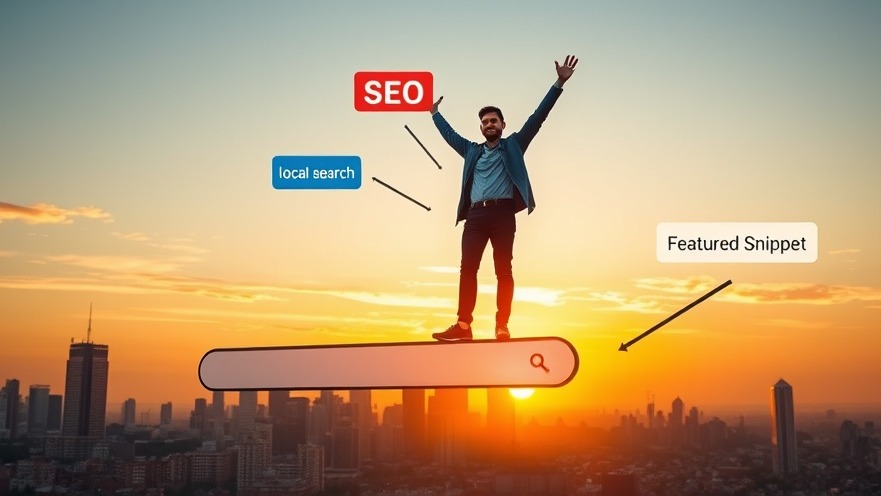
Small business owner conquering Google search for SEO success against a sunset skyline.

What Is SEO and Why Should You Care?

SEO stands for search engine optimization, which is like giving your business a megaphone on Google. It’s the art of making your website appear at the top when someone searches for what you offer. Imagine a family searching “best pizza near me” and finding your pizzeria first. That’s SEO at work. Studies show that 75% of people never scroll past the first page of Google results, so ranking high is crucial for getting noticed.

Let’s meet Tom, a plumber in Chicago. He struggled to get calls until he optimized his website for SEO. Within three months, his site ranked #1 for “emergency plumber Chicago,” and his phone hasn’t stopped ringing. SEO isn’t just tech jargon—it’s your ticket to more customers and more revenue.

Secret 1: Speak Google’s Language with Semantic SEO

What It Means: Semantic SEO is about understanding what customers mean when they search, not just the words they type. Google’s smart algorithms, like BERT, now “get” the context behind searches. For example, if someone searches “best coffee shop,” Google knows they want cozy vibes, great lattes, and local spots.

How It Helps You: By using related words and answering follow-up questions, you make your website a go-to resource. For instance, a pet store owner targeting “best puppy food” might also mention “puppy nutrition” or “healthy dog diets.” This tells Google your content is thorough, boosting your rank.

Example in Action: Lisa, a yoga instructor, wrote a blog titled “How to Choose the Perfect Yoga Studio.” She included phrases like “certified yoga teachers” and “beginner yoga classes.” Her post answered questions like “What makes a yoga studio great?” and landed in Google’s “People Also Ask” section, driving 30% more visitors to her site in two months.

Take Action: Write content that covers your topic deeply. If you’re a florist, don’t just say “buy flowers.” Talk about “wedding bouquets,” “floral arrangements,” and “same-day delivery” to capture more searches.

Secret 2: Win with Zero-Click Searches

What It Means: Zero-click searches happen when Google shows answers right on the search page, like in a Featured Snippet or “People Also Ask” box. You don’t get a click, but you get noticed. For example, if someone searches “how to unclog a drain,” Google might show a quick answer from your site.

How It Helps You: Appearing in these spots builds your brand’s trust. A 2023 study found that 40% of searches end without a click, but businesses in Featured Snippets see a 20% increase in brand awareness.

Example in Action: Mike, a mechanic, wrote a blog answering “How to change a car tire in 5 minutes.” His clear, 50-word answer became a Featured Snippet. Even without clicks, customers recognized his shop’s name and started calling, increasing bookings by 15%.

Take Action: Answer common questions in your industry with short, clear paragraphs or lists. Use simple headings like “How to Fix a Leaky Faucet” for your plumbing business.

Secret 3: Build Trust with E-E-A-T

What It Means: E-E-A-T stands for Experience, Expertise, Authoritativeness, and Trustworthiness. Google loves websites that prove they know their stuff and can be trusted. For example, a dentist’s site with expert credentials ranks higher than a random blog.

How It Helps You: Showing you’re legit makes customers and Google trust you. A 2024 survey showed that 68% of consumers trust businesses with clear expertise and reviews.

Example in Action: Sarah, a financial advisor, added a bio showcasing her 10 years of experience and client testimonials to her website. She also updated her blog regularly with accurate advice. Her site jumped from page 3 to page 1 for “retirement planning tips,” doubling her leads.

Take Action: Add an “About” page with your credentials, share customer reviews, and keep your content fresh and accurate.

Secret 4: Own the First Page with Brand Presence

What It Means: Brand presence is about filling Google’s first page with your stuff—your website, social media, and Google Business Profile. It’s like owning all the billboards in town.

How It Helps You: When people see your brand everywhere, they trust you more. A 2023 study found that businesses with strong brand presence get 50% more clicks.

Example in Action: Emma, a boutique owner, optimized her Google Business Profile with photos, hours, and customer reviews. She also linked her Instagram and website. Now, her store dominates searches for “women’s clothing near me,” bringing in 25% more foot traffic.

Take Action: Update your Google Business Profile with consistent details and post regularly on social media to boost your brand’s visibility.

See How Digital Marketing All Can Drive More Traffic to Your Website

  • Brand Voice Strategy: Let our team help you create your brand voice to attract your ideal customer.

  • Market Growth Opp Research: Let our team show you where you can gain additional traffic that you are missing.

  • Local SEO: Unlock more SEO traffic. See real results. Dominate your local market.

  • Dominate Google: Let us get your company to the top of Google.

  • Competitive Link Analysis: Know what your competitors are doing.

  • Geo-Targeting: Let us find your customers in your desired location.

  • Content Marketing: Our team creates epic content to be shared, generate links, and attract traffic. We know the secret recipe for success.

  • Paid Media Advertising: Effective paid strategies with clear ROI. You pay per result with us.

  • Blogging Services: Let us create a blog that will help you rank.

  • Search Box Optimization: Owning a keyword in your local area is the best way to dominate your local market.

  • Search Price Optimization: Not only can you own the keyword in your local area and nationally, but you can control your advertising cost by getting out of the price war that exists in pay-per-click advertising, and achieve a higher ROI.

Book a Call: Ready to transform your business? Click here to schedule a consultation and start dominating Google today!

Secret 5: Make Your Website Accessible to Everyone

What It Means: Web accessibility means your site works for all users, including those with disabilities. Think of adding captions to videos or descriptions to images so everyone can use your site.

How It Helps You: Accessible sites keep visitors longer, which Google notices. A 2024 report showed that accessible websites have 30% lower bounce rates.

Example in Action: David, a gym owner, added alt text to his workout photos and captions to his videos. His site ranked higher for “fitness classes near me,” and he saw a 20% increase in sign-ups from new visitors.

Take Action: Add descriptive alt text to images and ensure your site’s navigation is simple and clear.

Secret 6: Use Internal Links to Guide Google

What It Means: Internal links connect pages on your website, like a roadmap for Google to explore. They also keep visitors clicking around, which Google loves.

How It Helps You: Good internal linking boosts your site’s authority. A 2023 study found that sites with strong internal links rank 15% higher.

Example in Action: Rachel, a caterer, linked her “wedding catering” page to blog posts about “menu ideas” and “event planning.” Her site’s rankings for catering terms improved, and she booked 10 more events in a month.

Take Action: Link related pages on your site using clear, descriptive words like “learn more about our services.”

Secret 7: Tap into Visual Search

What It Means: Visual search lets people search using images, like snapping a photo of a dress on Google Lens. Optimizing images helps your site show up in these searches.

How It Helps You: Visual search is growing fast—Google Lens processes over 8 billion searches monthly. Optimized images can attract new customers.

Example in Action: Mark, a furniture store owner, named his product images “modern wooden coffee table” instead of “image1.jpg.” His tables appeared in Google Lens searches, boosting online sales by 18%.

Take Action: Use keyword-rich file names for images and add image schema markup to your site.

Secret 8: Target Long-Tail Keywords

What It Means: Long-tail keywords are specific phrases like “best Italian restaurant in Boston” instead of just “restaurant.” They’re easier to rank for and attract ready-to-buy customers.

How It Helps You: Long-tail keywords drive conversions. A 2024 study found that 70% of searches are long-tail, and they convert 36% better than broad terms.

Example in Action: Claire, a dog trainer, targeted “how to train a puppy not to bark in Austin.” Her blog post ranked #1, and she gained 15 new clients in a month.

Take Action: Use tools like AnswerThePublic to find specific questions your customers ask and answer them in your content.

Secret 9: Prepare for AI-Powered Search

What It Means: Google’s AI, like BERT and MUM, understands searches like a human. It focuses on what users want, not just keywords.

How It Helps You: AI-friendly content ranks higher. A 2023 report showed that AI-optimized sites saw a 25% traffic increase.

Example in Action: John, a realtor, wrote a blog answering “What’s the best neighborhood for families in Seattle?” with clear, human-focused content. His site appeared in Google’s AI Overview, driving 200 inquiries in a month.

Take Action: Write naturally, answer specific questions, and update old content to stay relevant.

Secret 10: Boost Engagement with Behavioral SEO

What It Means: Behavioral SEO uses data like how long people stay on your site or if they click away quickly to improve rankings.

How It Helps You: Engaged visitors signal to Google that your site is valuable. Sites with high dwell time rank 20% higher, per a 2024 study.

Example in Action: Laura, a bakery owner, added a quiz to her site: “What’s Your Perfect Dessert?” Visitors stayed longer, and her site climbed to #1 for “custom cakes near me.”

Take Action: Add interactive elements like quizzes or videos and ensure your site loads in under 2 seconds.

FAQs

How can I rank #1 on Google?
Write content that answers specific questions, use high-ranking keywords, and optimize for speed and accessibility. For example, a coffee shop answering “best espresso in Denver” with a clear blog post can land at the top.

What are zero-click searches?
These are searches where Google shows the answer on the results page, like in a Featured Snippet. Optimize with concise answers and schema markup to appear there.

Why does E-E-A-T matter for SEO?
E-E-A-T (Experience, Expertise, Authoritativeness, Trustworthiness) builds trust with Google and users, boosting rankings, especially for sensitive topics like health or finance.

How do long-tail keywords help my business?
Long-tail keywords, like “emergency locksmith in Miami,” attract specific, ready-to-buy customers, making it easier to rank and convert.

What’s the easiest way to start with SEO?
Claim your Google Business Profile, add keywords to your site, and write a blog answering common customer questions. It’s simple and effective.

Jenna’s bakery is now a local legend, and Tom’s plumbing business is thriving. Your business can be next. These hidden SEO strategies aren’t just tricks—they’re your launchpad to success. Don’t wait for customers to find you by chance. Take control, optimize your website, and watch your business soar. Ready to be the next success story?

I hope you enjoyed reading this blog post. If you want to be our next success story, have my team do your marketing. Click here to book a call with our team and start dominating Google today!


SEO Search Engines SEO Strategy Google Zero Click Local Marketing

98 Views

0 Comments

Write A Comment

*
*
Related Posts All Posts
02.13.2026

Unlock the Magic of seo—Boost Traffic Like Never Before

Did you know that 68% of all online experiences start with a search engine? In today’s digital world, mastering SEO (search engine optimization) can be the difference between obscurity and visibility. Imagine your story, products, or expertise appearing right when someone uses a search engine to find exactly what you offer. This article isn’t just about keywords or technical jargon—it’s about unlocking the power of search engine optimization so your website becomes a beacon for the audiences who need you most. Let’s uncover how powerful storytelling and practical strategies can boost your search engine traffic and set your brand apart like never before.Key Takeaways: What You’ll Learn About SEO StrategiesUnderstand the fundamentals of search engine optimization (SEO)Discover actionable steps to improve search engine traffic and boost your search engine optimization rankingsLearn how to use keyword phrases to attract targeted visitorsAccess practical storytelling examples to apply techniques in real lifeFind out how to start your SEO journey even if you’re a beginnerThe Surprising Truth About SEO: Why Search Engine Optimization Still Dominates Digital Marketing"Did you know that 68% of all online experiences begin with a search engine? Mastering SEO is no longer optional—it's essential for your online success."It’s easy to assume that social media and paid ads dominate digital marketing today. But search engines quietly remain undefeated. People rely on search engines—like Google and Bing—for answers, recommendations, and even purchasing decisions. No matter how flashy the latest marketing trend is, SEO continues to deliver long-term, sustainable engine traffic that builds authority and trust. The reason? Search engine optimization isn’t just technical; it’s rooted in helping people find exactly what they need, exactly when they need it.Consider this: each month, billions of queries are typed, spoken, or tapped into search engines, driving massive search engine traffic. Every result page acts like a stage, showcasing brands—and stories—that best answer the audience’s needs. If your website isn’t optimized for search engine optimization best practices, you’re missing out on massive potential search engine traffic and engagement. In the following sections, we’ll blend practical storytelling and actionable advice to empower you to leverage SEO for sustained growth.What is SEO? Breaking Down Search Engine OptimizationDefining SEO: More Than Just KeywordsAt its core, SEO stands for search engine optimization, the key to increasing your website’s visibility on search engines. But it’s far more than sprinkling keyword phrases throughout your web content. Think of SEO as every little thing you do to help search engines understand your site and connect you with the right audience. This includes optimizing visible elements (like headings, meta tags, and stories) and hidden ones (like sitemaps and site speed). The goal? Make your site appealing to both search engine crawlers and human visitors—delivering an unbeatable user experience.Let’s reframe “SEO” not as a quick fix, but as a journey—each piece of your content is a stepping stone toward visibility. By structuring web content that addresses both user intent and search engine algorithms, you build credibility and increase your chances to climb the search engine rankings. It’s a blend of strategy and storytelling that delivers results.As you build your SEO foundation, it’s crucial to understand how establishing topical authority can further amplify your results. If you want to become the go-to expert in your niche and drive even more targeted traffic, explore how building topical authority can help your business win SEO traffic and set you apart from competitors.How Search Engines Work: The Engine Behind the MagicSearch engines, like diligent librarians, tirelessly crawl the web, collecting and categorizing pages through complex algorithms. Search engine crawlers (robots or spiders) scour websites for relevant content, structure, and authority signals. They assess how well your web pages match user queries, using factors like keywords, meta tags, and content freshness.When a user enters a search, the engine compares billions of pages to find the best matches, ranking them on the search engine results page (SERP). Staying visible means optimizing both for these algorithms—by providing value, speed, and clarity—and for human users, by telling compelling, informative stories that match search intent. Ultimately, a winning SEO strategy brings your brand to life for both bots and humans.Search Engine Optimization and Its Role in Modern MarketingIn digital marketing, search engine optimization is often the difference between fleeting attention and sustained growth. It fuels organic search, letting brands attract visitors without paying for every click. But the true power of SEO lies in its ability to build lasting connections—delivering value through stories, answers, and expertise that searchers seek.Brands that succeed in SEO don’t just chase rankings. They create memorable experiences for real people, addressing pain points, sharing solutions, and guiding readers on their journey. Done right, SEO transforms your website into a trusted resource that’s visible whenever—and wherever—your audience is searching.Your Start Guide to SEO: Laying a Strong FoundationDefine your SEO goals and target audience: Know who you want to reach. Are you looking for more sales, email signups, or local visits? Understanding your goals makes your SEO sharper and more effective.Choose relevant keyword phrases for your business: Take time to research the words your potential visitors or customers use when searching online. Tools like Google Keyword Planner help reveal high-potential terms.Set up tracking via Google Analytics and Search Console: Before you launch, make sure you can measure your progress. These free tools provide insight into what’s working and where you can improve inside your digital marketing efforts.Conduct an initial site audit for search engine traffic potential: Use simple tools to review your current website for issues like missing meta tags, broken links, or slow loading pages. Even a basic site audit can reveal quick wins to boost engine traffic results.These four steps will set the stage for growth, whether you’re a beginner or looking to sharpen your existing SEO strategy. Each action helps you align your efforts with the way search engines evaluate and reward high-quality, relevant websites.How Keyword Phrases Drive Search Engine TrafficEvery great SEO strategy starts with finding the right keyword phrases that drive targeted search engine traffic. These are the exact words and questions your audience types into search engines—to find solutions, inspiration, or services. Understanding keyword phrases is like unlocking a secret map that leads your best-fit audience right to your (digital) doorstep.But keyword phrases aren’t just dry data—they’re clues about what your readers want. When you learn to listen for these clues, you can tailor your web content, blog posts, and even your product pages to speak directly to the hearts (and searches) of your audience. The result? More qualified search engine traffic that’s ready to engage with your stories and solutions.Finding the Right Keyword Phrases for Your SEO StrategyThe process of keyword research can seem daunting, but it’s the bridge between what you offer and what people are searching for. Start by brainstorming a list of terms related to your business or blog. Next, plug these into tools like Google Keyword Planner or Ubersuggest to discover new ideas and gauge search volume and competition.For example, if you sell eco-friendly notebooks, try terms like “recycled paper journals,” “best eco notebook,” or “sustainable school supplies. ” Look for keyword phrases with a balance of good search traffic and attainable competition. Remember, sometimes targeting more specific “long-tail” keyword phrases (like “biodegradable planner for students”) can bring you more targeted, ready-to-convert visitors than broad, generic terms.Storytelling Application: Translating Keywords Into Content That RanksLet’s say you’ve chosen “best eco notebook” as a focus keyword phrase. Don’t just mention it mechanically—tell a story! Imagine a blog post like “How I Ditched Plastic and Found the Best Eco Notebook for My School Projects. ” This narrative captures searchers’ intent, builds trust, and stands out on the search engine results page.By weaving your keywords naturally into helpful tips, reviews, or personal journeys, you create web content that isn’t just optimized for search engines, but delights real people. The best-performing SEO content feels conversational, solves real problems, and invites your visitors to become part of your story.On-Page SEO: Techniques That Work in 2024Meta Tags, Headings & Content—Optimizing Every ElementOn-page SEO means tweaking what’s directly on your website so that it’s easy for search engines—and readers—to understand and love your content. Start by crafting clear, catchy headlines (H1, H2, H3 tags), and making sure each page has a descriptive meta tag—a short summary that appears on the results page. Well-written meta tags help you snag more clicks, while descriptive headings and clear paragraph structure keep users engaged.Don’t forget to optimize images with descriptive alt text (like describing your photo as “team optimizing search engine traffic strategies”). Use your main keyword phrase naturally within your web content, and break up big blocks of text with bullet points or storytelling examples to enhance search engine optimization. Every small detail signals to both search engines and visitors that your page is helpful, trustworthy, and worth ranking.Harnessing Internal Linking for Better Engine OptimizationInternal linking means connecting different pages of your own site through helpful, relevant anchor text (like “see our full start guide to SEO”), improving your site’s engine optimization. This practice helps engage users longer and guides search engine crawlers to understand how your content relates to itself—improving your engine rankings and making it easier for readers to find more of your best stories.A well-connected site boosts your authority and signals to Google (and other search engine providers) that your website has a deep bench of knowledge—not just isolated articles. So, whenever you publish new content, ask yourself: what other valuable posts or pages can I link to from here?Off-Page SEO: Building Authority Beyond Your WebsiteBacklinks Explained: Why They Matter for Search EnginesOff-page SEO is all about building your site’s reputation on the wider web. The biggest signal? Backlinks—links from other reputable sites pointing to your content. Think of backlinks as word-of-mouth recommendations in the digital world. When a respected website links to you, search engines see your site as more trustworthy and relevant, which often results in higher engine rankings.The best backlinks come from genuine relationships, valuable content, and thoughtful outreach. Guest blogging, partnerships, and creating share-worthy resources can all help you grow your backlink profile. Remember, quality matters more than quantity—one authoritative link can mean more than dozens of low-quality mentions.Story in Action: How a Single Mention Boosted Engine Traffic by 300%Here’s a real-world story to bring off-page SEO to life. A small business owner published a resource guide on eco-friendly classroom supplies. After sharing it with a popular education blogger, the blogger added a backlink in their resource round-up post. Within a month, the business’s search engine traffic tripled—and their sales spiked as a result. One sincere outreach, one quality mention, and a world of new readers!This example shows that even beginners can use storytelling and authentic connection to spark huge leaps in visibility. Focus on building relationships and creating content that others naturally want to share.Technical SEO: Optimizing for Search Engines and UsersCore Web Vitals, Crawlability, and Mobile UsabilityTechnical SEO is the behind-the-scenes work that makes your website smooth, speedy, and accessible—not just for users, but also for search engine crawlers. Key elements include site speed, mobile-friendliness, and compliance with Core Web Vitals (Google’s set of performance signals that focus on loading time, visual stability, and interactivity).A fast, reliable, mobile-optimized site pleases both people and algorithms. Make sure your pages load quickly (aim for under three seconds), images are compressed, and your layout doesn’t shift or break on mobile devices. These improvements help keep visitors engaged and signal to search engines that your site delivers a top-tier user experience.Real Example: The Technical Fix that Doubled Organic VisitsPicture this: a local bakery experienced flat traffic for months—even after posting mouthwatering stories and optimizing content. After running a site audit, they found several issues: uncompressed images, slow loading scripts, and missing mobile layout tweaks. By addressing these technical problems, their site’s mobile usability improved overnight. Within two months, their organic search engine traffic had doubled and more visitors were calling in orders each week.Even small technical fixes can have outsized effects on your search engine rankings and real-world results. Don’t overlook the basics—sometimes, a quick tune-up behind the scenes can deliver your biggest traffic gains.Measuring SEO Success: Tools and Metrics that MatterSEO Analytics: Interpreting Search Engine PerformanceTracking your progress is key to long-lasting SEO success. Analytics tools help you measure which pages are driving traffic, which keyword phrases are performing best, and where visitors come from. Google Analytics and Google Search Console are must-have tools to interpret your website’s performance on the search engine results page and find opportunities for growth.Look for metrics like organic traffic, bounce rate, pages per session, and conversion rates. Which stories are readers sticking with? Which search engine keyword phrases are bringing in the most visitors? Regularly reviewing these insights lets you adapt your strategy to keep driving improvement.Top SEO Tools for 2024: Features, Pros, and ConsToolFeaturesProsConsGoogle Search ConsoleSite health, keywords, indexing, performanceFree, direct data from Google, easy to set upBasic reports, limited competitor insightsSEMrushKeyword research, site audit, competitor analysisDetailed analytics, powerful for professionalsPaid, can be overwhelming for beginnersAhrefsBacklink analysis, keyword ideas, content explorerExcellent for link building and authority trackingExpensive, learning curveUbersuggestKeyword tracking, site audit, content suggestionsAffordable, beginner-friendly, broad featuresSome data limitations, fewer advanced toolsYoast SEO (plugin)On-page SEO, readability analysis, meta tag helpUser-friendly, integrates with WordPressLimited to WordPress sites, not for technical SEOStorytelling in SEO: How Narrative Captivates Audiences and Search Engines"SEO is not just about ranking high—in today’s era, it’s about telling stories searchers want to discover."Great SEO content isn’t just a collection of keywords; it’s an invitation. Search engines reward originality, relevance, and authority—but readers crave connection and meaning. That’s why narrative-driven web content stands out, weaving keyword phrases into engaging blog posts, how-tos, and case studies that truly resonate.For example, an “About Us” page shouldn’t sound like a resume—it should tell the story of your brand’s mission and victories. Each blog post can start with a personal challenge or customer anecdote, making solutions more relatable. As search engines become smarter at understanding intent and context, storytelling will become an even bigger SEO advantage.People Also Ask: Essential SEO Questions AnsweredHow to do SEO for beginners?Starting SEO as a beginner is easier than you might think. Begin by learning your audience and their key questions. Use free tools like Google Keyword Planner to find relevant keyword phrases. Next, optimize your content and meta tags to target those terms, making sure your paragraphs are clear and your site loads quickly. A real-life story: my friend Kara, a yoga instructor, started by blogging about “simple meditation tips. ” By following this beginner-friendly start guide, she saw her blog posts pop up on the results page within two months—which led to more class sign-ups each week.How do I do SEO on my own?Anyone can handle SEO solo with creativity and persistence. Focus first on writing web content that solves problems and answers questions. Use internal linking to connect blog posts and product pages. There are plenty of free resources—even Yoast SEO on WordPress—to help refine your on-page efforts. For example, Ben, a freelance photographer, boosted his organic search by updating his “wedding venue guide” blog and sharing it in local groups. With a few backlinks and consistent use of search engine optimization best practices, his site traffic grew steadily—all without a big marketing budget.What are the 4 types of SEO?The four main types of SEO are: on-page SEO (optimizing titles, meta tags, and content), off-page SEO (building backlinks and authority), technical SEO (site speed, mobile usability, crawlability), and local SEO (optimizing for searches in a specific area). Take Marisol’s bakery as an example: she revamped her location info (local SEO), fixed mobile loading issues (technical SEO), earned a mention on a local foodie blog (off-page SEO), and included luscious, descriptive product pages (on-page SEO). Her site started rising on the engine results page for “best cupcakes in Portland. ”Can I do SEO for free?Yes! Many successful websites started with zero budget. Use tools like Google Search Console and Analytics to track progress, write helpful content that uses long-tail keyword phrases, and network for backlinks through guest posts or local partnerships. Take Mia—she runs a DIY crafts blog and used only free tools and basic strategies. With homemade graphics, well-told stories, and consistent keyword research, her organic search traffic grew—proving you don’t need a massive budget to get noticed.SEO Strategy in Action: Case Studies & Success StoriesCase Study 1: Small Business SEO—From Obscurity to Page OneMeet Blake—a local plumber whose website languished off the first few pages. With a step-by-step start guide, he chose clear keywords (“emergency plumbing Portland”) and told customer success stories on his blog. He reached out to local business directories for backlinks and updated all his meta tags using Yoast SEO. Within six months, his website jumped to the first engine results page, bringing in more local calls than ever before.Case Study 2: Advanced Search Engine Optimization for E-CommerceAnd consider Luna’s experience in e-commerce. She ran a specialty tea shop and started with optimized product descriptions. Next, she added video how-tos for brewing and sought mentions from tea bloggers. A targeted technical site audit revealed image compression issues—once fixed, her page speed soared. Her ranking for “organic green tea online” improved, and within a few months, Luna saw a 200% lift in sales from organic search engine traffic.FAQs—Quick Answers to Your Biggest SEO QuestionsWhat is SEO in simple terms?SEO means improving your website so that search engines show it higher up in their results. It helps more people find your site when they search for topics you cover.How long does SEO take to work?SEO is a long game—it often takes three to six months to see major results, but small improvements can happen sooner.Can I do SEO myself or do I need an expert?You can start with SEO on your own using the strategies in this guide. For advanced techniques, consulting an expert can give you an extra boost.Next Step: Transforming Your Business Through SEO"SEO is a long game, but every small step you take compounds into lasting digital visibility."Now that you’ve learned the secrets behind SEO, it’s time to put these storytelling strategies and step-by-step actions into play. Let your journey begin—one story, one keyword, and one improvement at a time. Ready to transform your web traffic and visibility?If you’re eager to take your digital marketing to the next level, consider broadening your approach with proven marketing tips and strategies that go beyond SEO. Discover how a holistic marketing plan can accelerate your business growth, enhance your brand’s reach, and help you stay ahead in a competitive landscape by exploring essential marketing strategies for business growth. By integrating advanced SEO with smart marketing tactics, you’ll unlock even greater opportunities for visibility, engagement, and long-term success.Ready to Elevate Your SEO Game?I hope you enjoyed reading our blog. If you would like assistance with your marketing, give us a call at 207-710-1449 or visit our website at www.digitalmarketingall.org.SourcesSearch Engine Land: Search Engine OptimizationMoz: Beginner's Guide to SEOGoogle SEO Starter GuideAhrefs Blog: SEOBacklinko: SEO in 2024To deepen your understanding of SEO and enhance your website’s visibility, consider exploring the following resources: “Search Engine Optimization (SEO)” This comprehensive Wikipedia article provides an in-depth overview of SEO, covering its history, techniques, and the role it plays in digital marketing. It’s an excellent starting point for grasping the fundamentals and evolution of SEO practices. “Do you need an SEO?” Offered by Google Search Central, this guide helps you determine whether hiring an SEO professional is right for your website. It outlines the benefits and potential risks, providing insights into what to look for when selecting an SEO expert. If you’re serious about mastering SEO and boosting your website’s traffic, these resources will equip you with the knowledge and tools necessary to succeed.

02.13.2026

Google is Hiding Your Call Button: How to Save Your Local Business

Learn why Google is removing local call buttons and how to rank in the new 2026 AI Local Packs.

02.15.2026

Social Media SEO: Boosting Local Business Visibility

Boost local business visibility by optimizing social media profiles with keywords, engaging content, and strategic signals to improve search rankings.

Terms of Service

Privacy Policy

Core Modal Title

Sorry, no results found

You Might Find These Articles Interesting

T
Please Check Your Email
We Will Be Following Up Shortly
*
*
*