



Add Row
Add Element
Digital Marketing All
update

cropper
update
Add Element
  • Facebook icon
    update
  • update
  • update
  • Linkedin Icon
    update
  • update
  • YouTube Icon
    update
  • Instagram Icon
    update
  • Home
  • Categories
    • Advertising
    • AI
    • AI Agents
    • AI Search
    • Answer Engine Optimization
    • Backlinks
    • Backlinks
    • Black Friday Tips
    • Blog
    • Brand Loyalty
    • Brand strategy
    • Brand voice
    • Business
    • Chat bots
    • Company Reviews
    • Content
    • Customer Journey
    • Customer Retention
    • Domain Authority
    • Dominating Local Market
    • E-Commerce
    • Email Marketing
    • Email Marketing
    • Email Strategies
    • event marketing
    • FaceBook
    • GBP
    • Google
    • Google
    • Google Ads
    • Google Map Pack
    • Influencers
    • Instagram
    • Keywords
    • Keywords
    • Landing Pages
    • Lead Generation
    • LinkedIn
    • Local Marketing
    • Marketing
    • Marketing Strategy
    • Marketing Tools
    • Online Directories
    • Online Directories
    • Paid Ads
    • Podcast
    • PPC
    • Reddit
    • Referrals
    • Reputation
    • Reviews
    • Sales Funnel
    • Sales Strategy
    • Search Box Optimization
    • Search Engines
    • Search Price Optimization
    • semantic search
    • SEO
    • Social Media
    • Social Media Strategy
    • Selling Tips
    • SMS Marketing
    • SEO Strategy
    • storytelling content
    • Tik Tok
    • Traffic
    • Video
    • Video Blogging
    • Video Content
    • Voice Search
    • Website
    • Webinar
    • YouTube
    • Zero Click
    • Quora
  • Life Advantage Series
  • Featured Clients
  • What's In Mass
  • Latest News
  • Business Mastery
  • All Posts
  • AI
  • Brand voice
  • Brand strategy
  • Company Reviews
  • Reviews
  • Reputation
  • Marketing
  • Social Media
  • Content
  • Blog
  • Video Blogging
  • Online Directories
  • Marketing Strategy
  • Website
  • SEO
  • Traffic
  • Lead Generation
  • Sales Funnel
  • Email Marketing
  • Advertising
  • Marketing Tools
  • Business
  • E-Commerce
  • Email Strategies
  • PPC
  • Keywords
  • GBP
  • Landing Pages
  • Black Friday Tips
  • Search Engines
  • Backlinks
  • Dominating Local Market
  • SEO Strategy
  • Keywords
  • YouTube
  • Online Directories
  • Google
  • FaceBook
  • SMS Marketing
  • Email Marketing
  • Referrals
  • Selling Tips
  • Sales Strategy
  • Customer Retention
  • Tik Tok
  • Reddit
  • Instagram
  • Google
  • Chat bots
  • Video
  • Social Media Strategy
  • LinkedIn
  • Influencers
  • Brand Loyalty
  • Paid Ads
  • Customer Journey
  • Zero Click
  • Answer Engine Optimization
  • Webinar
  • Local Marketing
  • AI Search
  • Voice Search
  • Search Box Optimization
  • Search Price Optimization
  • Google Map Pack
  • Domain Authority
  • semantic search
  • event marketing
  • Podcast
  • Featured Clients
  • Google Ads
  • Backlinks
  • Video Content
  • storytelling content
  • Life Advantage Series
  • Latest News
  • AI Agents
  • Business Mastery
  • Quora
August 15.2025
1 Minute Read

Unlock How Predictive Analytics in Digital Marketing Boosts Sales

Did you know that over 80% of marketers who use predictive analytics, advanced analytics tools, and analytics platforms in digital marketing experience a remarkable increase in their marketing campaign ROI? In today’s fast-paced digital market, simply reacting is no longer enough — the top marketing teams now anticipate what their audience needs, fuelled by the power of data and analytics tools. This guide unlocks the full story behind predictive analytics in digital marketing and shows you how leveraging advanced analytics tools and predictive models can directly amplify your sales, conversion rates, and customer experience. Read on to find out why predictive analytics is a game changer for any brand ready to supercharge its marketing campaigns.

Revealing the Power of Predictive Analytics in Digital Marketing: Driving Performance with Data

Predictive analytics in digital marketing is revolutionizing how companies approach the marketplace. By uncovering patterns in big data and historical data, marketing teams can make far more informed decisions on where to focus their digital marketing efforts. Imagine running a marketing campaign powered by predictive analytics, machine learning, and advanced analytics tools and platforms that accurately predict what your customers want—even before they know it themselves. This is no longer a distant future, but a practical reality, driven by sophisticated analytics tools and predictive models.

The value is real: Companies leveraging predictive analytics in marketing and utilizing the right analytics tools outperform their competitors by 10% in annual sales growth. While over 80% of marketers report seeing tremendous improvements in ROI, less than 30% of businesses fully utilize these advanced analytics platforms. This signals a massive opportunity for marketing teams and business owners to take the lead by implementing predictive marketing strategies grounded in data analytics and artificial intelligence.

marketing team using predictive analytics tools in digital marketing to analyze dashboards
  • Over 80% of marketers who implement predictive analytics in digital marketing report significant improvements in campaign ROI.

  • Companies using predictive analytics in marketing outperform their competitors by 10% in annual sales growth.

  • Despite this, less than 30% of businesses fully leverage predictive analytics tools.

What Predictive Analytics in Digital Marketing Can Teach You

By embracing predictive analytics in digital marketing , you open the door to a world of optimization and targeted growth. The heart of this approach is to anticipate what your audience will do next so you can deliver the right message to the right customer at the right time. With robust analytics tools, marketing teams can segment their audience more precisely, craft tailored marketing campaigns, and boost the conversion rate through personal, data-driven marketing strategies.

You’ll learn how predictive models work, the best analytics platforms to use, and how customer segmentation improves not just your targeting, but the overall customer experience. Whether your goal is to maximize ROI, launch high-impact marketing strategies, or simply stay ahead in a crowded digital market, this section delivers powerful, actionable advice.

  • How predictive analytics works in digital marketing

  • The role of analytics tools and platforms

  • Applying predictive models for better marketing campaigns

  • Customer segmentation for targeted marketing

  • Best practices and strategies to boost sales

Defining Predictive Analytics in Digital Marketing

At its core, predictive analytics in digital marketing refers to the use of data analytics , artificial intelligence, and machine learning to forecast future customer behaviors. By analyzing past and current marketing data, businesses can identify trends, detect hidden insights, and refine their marketing campaigns for maximum effectiveness.

Unlike traditional marketing analytics, which looks backward, predictive analytics empowers marketing teams to act ahead of the curve. It involves harvesting big data across multiple channels—including social media, email, and web—to predict what actions customers will take. Machine learning and advanced analytics tools make this possible by creating predictive models that regularly improve as new data points are added.

predictive analytics dashboard showing digital marketing data and predictive models

The Mechanics: How Predictive Models Transform Analytics in Marketing

Predictive models lie at the heart of predictive analytics in marketing, enabling marketing teams to leverage data analytics and sophisticated analytics platforms for smarter decision-making. These models digest vast amounts of historical data and learning from recurring patterns and customer behavior. By leveraging these insights, marketing teams can better allocate budget, design personalized marketing strategies, and react more quickly to market changes. Add in the constant influx of social media data and evolving customer touchpoints, and you see why predictive models are indispensable in today's digital market.

The mechanics work like this: algorithms process marketing data to deliver actionable predictions about customer segments, likely purchase behavior, and emerging trends. As a result, marketing campaigns see measurable boosts in conversion rates—and customers experience higher value through personalization.

Machine Learning’s Influence on Predictive Analytics in Digital Market

Machine learning is pivotal in making predictive analytics a reality for digital marketing by powering analytics tools, predictive models, and analytics platforms that continuously enhance marketing campaign performance. It automatically detects complex patterns in large datasets, enabling analytics platforms to update predictions as new information flows in. This means that marketing teams do not have to rely on guesswork or dated reports. Instead, they use real-time analytics tools that constantly evolve, ensuring marketing campaigns are always optimized.

Through machine learning, predictive analytics in digital marketing delivers recommendations for optimal ad placements, audience targeting, and even the best times to launch a marketing campaign. This data-driven decision-making is what sets modern marketing strategies apart, helping businesses enhance customer experiences and drive better ROI.

machine learning powering predictive analytics in digital marketing with neural network data

Comparing Analytics Tools for Predictive Analytics in Marketing

Choosing the right analytics tool or analytics platform is crucial for the success of your predictive marketing initiatives and overall digital marketing strategy, ensuring seamless integration and real-time insights. Each tool offers unique features, catering to various business sizes and integration requirements. While some focus on machine learning and automation for large enterprises, others are better suited for small to mid-size brands seeking user behavior tracking and customer segmentation. The most effective analytics platform seamlessly integrates with your existing marketing tech stack—whether it’s email marketing or CRM systems—boosting efficiency and enabling smarter marketing analytics.

Evaluating analytics tools based on real-time capability, integration options, and user-friendliness is crucial. Use the comparative table below to find one that aligns with your specific marketing goals and business needs.

Features of Leading Analytics Tools for Predictive Analytics

Analytics Tool

Key Features

Best for

Integration

Tool A

Data Visualization, Machine Learning

Mid-size brands

CRM systems

Tool B

Real-time Analytics, Automation

Large enterprises

Ad platforms

Tool C

User Behavior Tracking, Segmentation

SMBs

Email marketing

Integrating Predictive Analytics Into Your Digital Marketing Strategy

Integrating predictive analytics in digital marketing starts with a clear strategy that connects business objectives, analytics tools, analytics platforms, and comprehensive marketing data to optimize your digital market presence. Instead of relying solely on historical data or intuition, you use advanced analytics platforms to forecast trends, optimize spend, and create highly targeted marketing campaigns. The key is to view predictive analytics not as a one-off project, but as an ongoing strategic asset that shapes every aspect of your digital market approach.

From email personalization to retargeting ads, predictive analytics in marketing empowers you to anticipate customer needs, tailor offers, and maximize every stage of the customer journey. Using data analytics tools integrated across your marketing stack helps you unify disparate sources, revealing valuable data points you may have otherwise missed.

As you refine your predictive analytics approach, it's also essential to ensure your messaging resonates with the right audience segments. For a deeper dive into aligning your brand voice and communication with your target market, explore the strategies outlined in Are You Talking To Your Target Audience? .

Step-by-Step: Applying Predictive Models in Marketing Campaigns

To apply predictive models in your marketing campaigns , begin by gathering complete, high-quality marketing data. Next, select a suitable analytics platform, train your predictive model using historical campaign and customer data, and launch targeted initiatives based on these insights. Automated feedback loops make it possible to adjust creative, offers, or segmentation as campaigns run, ensuring continuous improvement. Simultaneously, performance metrics help you track ROI, conversion rates, and audience engagement, allowing for further refinement of your predictive marketing strategies.

With each iteration, you’ll improve precision targeting, drive greater customer engagement, and enhance the customer experience—all hallmarks of marketing analytics supercharged by predictive analytics.

digital marketer integrating predictive analytics into a marketing campaign strategy

How Data Analytics and Analytics Platform Enhance Predictive Marketing

Data analytics and robust analytics platforms sit at the foundation of modern predictive marketing. They make it possible to extract actionable insights from structured and unstructured data, helping marketing teams identify which marketing campaigns are delivering results—and where adjustments are needed. Real-time dashboards reveal emerging patterns, allowing immediate responses to shifting customer behavior and competitor moves.

When you synchronize your analytics platform with CRM, social media, and paid ad systems, you unlock a holistic view of every customer touchpoint. This integration is essential for predictive analytics in digital marketing, as it ensures no data point is overlooked and every informed decision is genuinely data-driven.

Customer Segmentation: Maximizing Customer Experience and Conversion

Predictive analytics excels at customer segmentation —helping marketing teams pinpoint high-value audiences and personalize messaging. By grouping customers based on predicted behaviors, preferences, or likelihood to convert, you can deliver more relevant offers and content through your marketing campaigns. This level of targeting drastically improves both the conversion rate and customer experience, making every marketing effort more efficient.

The benefits are clear: Marketing teams achieve better ROI through precision targeting, while customers enjoy a smoother, more engaging digital journey. This approach also allows for dynamic updates as new marketing data becomes available, ensuring your segments stay relevant and effective.

  • Identifying high-value audiences

  • Personalizing messages through predictive models

  • Improving ROI with precision targeting

Explore how global brands have transformed their sales and customer engagement by adopting predictive analytics in digital marketing. Real-world case studies reveal the step-by-step process and measurable results, from surging conversion rates to six-figure revenue increases through optimized marketing campaigns. Witness the impact—then use these takeaways for your next campaign.

Top Benefits of Using Predictive Analytics in Digital Marketing

Choosing predictive analytics isn’t just about adding another analytics tool to your stack—it’s about reimagining how marketing analytics fuels growth. Marketing teams that implement predictive analytics experience a cascade of advantages: pinpointed targeting, skyrocketing conversion rates, deeper customer retention, and substantial returns on marketing investment. It transforms digital marketing from guesswork into precision science, letting you consistently stay ahead of the competition.

  • Precise targeting for marketing campaigns

  • Higher conversion rates with predictive analytics

  • Enhanced customer retention strategies

  • Improved marketing ROI

"Predictive analytics is not just about numbers—it’s about anticipating what your customers want and delivering it before they ask."

Not all analytics tools are created equal. In this video, see how different analytics platforms stack up for predictive marketing and get practical tips for matching the right tool to your digital marketing needs, from CRM integration to budget to feature set.

Predictive Analytics in Marketing Campaigns: Step-by-Step Implementation Guide

Implementing predictive analytics in marketing campaigns is a structured process involving careful data collection, smart predictive model selection, and ongoing optimization using the best analytics platforms. First, marketing teams must gather and cleanse marketing data, choosing an analytics platform capable of robust machine learning and reporting. Once predictive models are trained on historical data, teams deploy targeted campaigns, using real-time feedback to continuously refine tactics and maximize conversion rates.

The secret is not to treat predictive analytics as a “set-and-forget” initiative. Continuous measurement and optimization, powered by new insights and feedback, ensure your marketing strategies always evolve ahead of the digital market curve.

Harnessing Predictive Analytic Models for Marketing Analytics

  • Data Collection & Preparation

  • Model Selection & Training

  • Campaign Deployment

  • Performance Measurement & Optimization
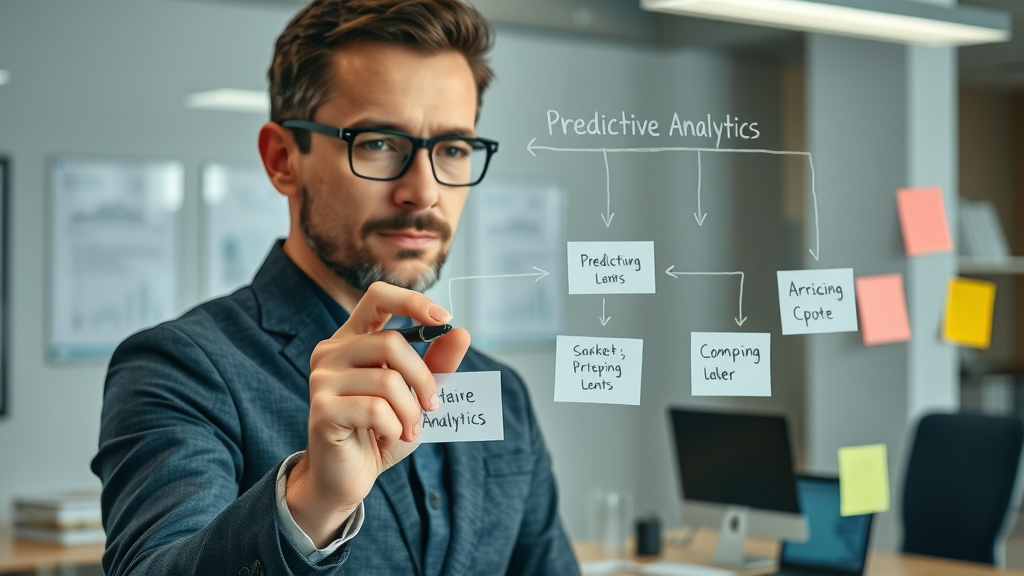
marketer mapping predictive analytics model workflow for digital marketing campaign

Case Study: Elevating Marketing Campaigns with Predictive Analytics in Marketing

Take the case of a mid-size retailer struggling to improve sales with traditional digital marketing tactics. By adopting predictive analytics, their marketing team used customer segmentation and predictive models to identify the segments most likely to purchase during holiday campaigns. The result? A 25% jump in conversion rates and a 15% lift in overall revenue—proving the tangible value predictive analytics brings to marketing campaigns across industries.

Another example is a SaaS provider who unified big data from multiple social media platforms and email campaigns using an advanced analytics tool. This enabled them to anticipate customer churn and trigger personalized retention offers, resulting in higher engagement and a longer customer lifetime value.

Best Practices for Predictive Analytics in Digital Marketing

Predictive analytics in digital marketing thrives on best practices. Marketing teams should regularly update predictive models with the latest data to boost accuracy, integrate multiple analytics tools for a 360-degree view, and commit to persistent testing and optimization. These steps maximize results and ensure every marketing campaign is rooted in meaningful, up-to-date insights.

  • Regularly update predictive models using new data

  • Integrate multiple analytics tools for comprehensive insights

  • Test, analyze, and optimize continuously

Common Challenges When Implementing Predictive Analytics in Marketing

While the benefits of predictive analytics in digital marketing are significant, challenges remain. Common hurdles include data quality issues, system integration headaches, and regulatory concerns around customer experience data. By proactively addressing these obstacles, marketing teams can unleash the full potential of predictive analytics and stay agile amid changing digital market conditions.

Overcoming Data Quality Hurdles in Digital Market Analysis

Even the most sophisticated predictive analytics models depend on clean, reliable data. Inconsistent or incomplete data sources can derail your strategy, leading to skewed predictions and missed opportunities. That’s why data science best practices—such as regular cleaning, validation, and standardization of marketing data—are crucial for trustworthy analytics in marketing.

data scientist improving digital marketing data quality for predictive analytics

Addressing Integration with Existing Analytics Platforms

Integrating predictive analytics with current analytics tools and platforms is often complex. Systems may lack compatibility, or vital data points might be trapped in silos. To overcome these barriers, invest in analytics tools designed for flexibility and open APIs, and ensure your IT team is trained to manage seamless data flows across your marketing ecosystem.

When integration is smooth, marketing teams benefit from a unified dashboard, providing a holistic view of all marketing campaigns and letting informed decisions happen faster and more accurately.

Ensuring Compliance in Customer Experience Data Usage

As customer data privacy regulations intensify, compliance in customer experience analysis is top priority. Marketers must ensure all uses of predictive analytics meet regional and international guidelines (like GDPR or CCPA). This means securing explicit consent for data collection, using only approved analytics tools, and maintaining transparent privacy documentation.

Teams should work with legal and data protection experts to create privacy-first predictive marketing strategies that build customer trust and safeguard both the business and its customers.

The future of predictive analytics in digital marketing is bright—think hyper-personalization, AI-powered chatbots, and seamless omnichannel campaigns. This video spotlights the emerging trends and tech transforming how marketing teams will approach analytics, segmentation, and real-time customer engagement in the coming years.

People Also Ask: How is analytics used in digital marketing?

How analytics in digital marketing empowers data-driven decision making

Analytics in digital marketing analyzes marketing data from various touchpoints to reveal what’s working and what needs adjustment. This empowers marketing teams to make data-driven decisions, focus on high-value audiences, and personalize their approach based on real-time insights. Ultimately, using analytics tools enables teams to maximize ROI, optimize marketing campaigns, and gain a much deeper understanding of the customer experience.

digital marketing analytics empowers data-driven decisions with global insights

People Also Ask: What are examples of predictive analytics?

Use Cases: Predictive Models in Marketing Campaign Strategies

There are many real-world examples of predictive analytics in digital marketing. Retail brands apply predictive models to forecast seasonal buying trends, allowing them to optimize inventory and run timely marketing campaigns. Subscription services use predictive analytics to spot customers likely to churn, sending targeted retention offers before a customer downgrades or cancels. Social media platforms employ predictive analytics to suggest relevant ads or content, improving both conversion rates and customer experience.

Each example highlights how predictive analytics not only boosts efficiency for businesses but also delivers more value and personalization to customers throughout the digital market.

People Also Ask: Why would a marketer use predictive analytics?

Enhancing Marketing Analytics to Boost Sales and Customer Engagement

Marketers use predictive analytics and marketing analytics tools to achieve one main goal: boosting results. Whether that’s higher sales, increased engagement, or lower churn, predictive analytics in digital marketing helps identify where to invest, which offers to send, and who your most valuable customers are. With detailed marketing analytics, teams can move quickly, test new ideas, and deliver what customers want, when they want it.

The edge is clear: Marketers using predictive analytics see better conversion rates and happier, more loyal customers.

People Also Ask: What are the three types of predictive analysis?

Breakdown: Classification, Regression, and Clustering in Digital Marketing

Predictive analytics in digital marketing relies on three main types: classification , regression , and clustering . Classification predicts categories (like labeling leads as “hot” or “cold”), regression predicts continuous outcomes (such as future sales or click-through rates), and clustering groups similar customers for more effective segmentation. Understanding these approaches helps marketers design stronger, more predictive marketing campaigns tailored to specific business goals.

Expert Tips and Strategic Insights for Predictive Analytics in Digital Marketing

  • Continuously refine data collection processes

  • Leverage advanced analytics tools for better outcomes

  • Train your team to interpret and act on predictive analytics outputs

Frequently Asked Questions on Predictive Analytics in Digital Marketing

  • What is the ROI of predictive analytics in marketing?
    Predictive analytics in marketing consistently delivers strong ROI by improving targeting, increasing conversion rates, and lowering wasted ad spend. Marketers often see a 10-20% lift in results when optimizing campaigns with predictive models.

  • How quickly can predictive analytics impact digital marketing campaigns?
    Results often appear in as little as a few weeks for targeted campaigns. Full benefits come as predictive models refine over time with new data.

  • Which marketing campaigns benefit most from predictive analytics?
    Campaigns that rely on personalization, audience segmentation, or dynamic offers see the biggest lift from predictive analytics in digital marketing.

  • What analytics tools are recommended for predictive analytics in digital marketing?
    Leading tools include those with machine learning capabilities, real-time dashboards, and seamless integration—like Tool A, Tool B, or Tool C featured above (see tools comparison).

Summary: Key Takeaways from Predictive Analytics in Digital Marketing

  • Predictive analytics strengthens digital marketing by improving targeting and personalization

  • Effective use of analytics tools and platforms boosts campaign performance

  • Investing in predictive models leads to long-term sales growth

business leader celebrating sales growth from predictive analytics in digital marketing

Ready to Amplify Sales With Predictive Analytics in Digital Marketing?

Contact Our Analytics Experts for Your Next Marketing Campaign

  • Call us at 207-710-1449 for all your marketing needs. Let us get your business more visibility.

If you’re inspired to take your digital marketing to the next level, consider how a comprehensive content audit can further enhance your predictive analytics strategy. By evaluating and optimizing your website’s content, you’ll ensure that every touchpoint is primed for engagement and conversion—maximizing the impact of your data-driven campaigns. Discover actionable steps and expert guidance in Transform Your Website: The Ultimate Content Audit Guide . This resource is your next step toward building a high-performing digital presence that works seamlessly with advanced analytics for sustained growth.

Predictive analytics in digital marketing leverages data analysis and machine learning to forecast future customer behaviors, enabling marketers to craft more effective campaigns. By analyzing historical data, businesses can anticipate trends, optimize resource allocation, and enhance customer engagement.

For a comprehensive understanding of how predictive analytics can transform your marketing strategies, consider exploring the following resources:

  • “How to Use Predictive Analytics in Data-Driven Marketing” : This article delves into the role of predictive analytics in marketing, discussing its importance, measurement models, and practical applications. It provides insights into how businesses can leverage past data to predict marketing trends and optimize strategies. ( marketingevolution.com )

  • “Predictive Analytics in Marketing: How to Use it to Drive Success” : This resource explores the significance of predictive analytics in marketing, highlighting how it enables data-driven decision-making and enhances campaign effectiveness. It offers practical advice on implementing predictive analytics to achieve marketing success. ( techtarget.com )

By integrating predictive analytics into your digital marketing efforts, you can anticipate customer needs, tailor your campaigns more precisely, and ultimately drive higher sales and customer satisfaction.

Marketing Strategy

76 Views

0 Comments

Write A Comment

*
*
Related Posts All Posts
12.25.2025

Stop Guessing What Your Customers Want: The Secret Weapon of Multi-Billionaires That Costs Zero Dollars

Discover zero-cost market research secrets—talking to customers, mining reviews, pre-selling—to validate ideas and dominate Google's AI search.

12.19.2025

Your Marketing Plan is Broken: Six Changes CMOs Must Make to Thrive in 2026

Master the six 2026 marketing priorities—from social search (SOSEO) to AI-human collaboration—to secure explosive business growth and dominate your market.

12.07.2025

Unlock the Magic of digital marketing—Boost Sales Fast

Businesses leveraging digital marketing strategies experience 2.8 times better revenue growth expectancy compared to those that don’t. That’s not a typo—it’s the power of marketing in the digital age. From brand storytelling on Instagram to data-driven campaigns that reach buyers at the perfect moment, digital marketing doesn’t just spread the word about your business—it brings results you can measure and stories you’ll want to repeat. If you’re looking to boost sales, ignite your growth, and make your brand unforgettable, you’re in the right place.Key Takeaways: Making Digital Marketing Work for YouDigital marketing unlocks fast, scalable growth—delivering measurable results your business can build on quickly.Personalized strategies outperform generic approaches—the more you know your audience, the faster you’ll gain traction.Storytelling and relevance drive engagement—connecting emotionally will keep your brand top-of-mind.Integrate multiple channels for the best ROI—combine email, content, social media, and more for explosive results.Revealing the Power of Digital Marketing: A Surprising Start"Did you know that businesses using digital marketing see 2.8X better revenue growth expectancy? Let’s uncover how you can achieve the same."Digital marketing isn’t just a buzzword—it’s a proven way for brands of all sizes to reach more people, connect in real time, and turn interest into action. Unlike traditional marketing where you print glossy flyers or buy TV ads and hope, digital methods let you engage your target audience at the right moment, track every interaction, and pivot strategies on the fly.For example, imagine a small family bakery that began posting daily Instagram stories showcasing their fresh pastries—not only did their foot traffic double, but they also started delivering orders to new neighborhoods beyond their usual reach. Now, envision a tech company running an interactive Facebook ad that lets users vote on their favorite new app feature. The result? Higher engagement, invaluable feedback, and a spike in downloads. These aren’t fairy tales—they’re real-world proof that with digital marketing, your business story can change overnight.Understanding the Digital Marketi RevolutionThe digital marketing revolution transformed how businesses connect with audiences. Unlike the old days, where messages were one-way and slow to produce results, today’s digital marketers use powerful social media platforms, search engines, and email to reach potential customers instantly. With just one click, a post can “go viral,” launching a local brand onto the national scene.The secret? Storytelling combined with technology. Successful digital marketing efforts involve not just advertising but creating a dialogue—inviting people into your brand story, listening to what they want, and adapting quickly. Try picturing a young clothing brand: their creative, behind-the-scenes TikTok videos give viewers a personal peek into their process. This authenticity builds loyalty and excitement, converting followers into real customers. That’s the revolution—brands growing relationships, not just sales pitches.Examples of Digital Marketing Success Across IndustriesNo industry is off-limits for digital marketing magic. Take a local veterinary clinic, for example. They started sharing pet care tips and heartwarming stories of adopted animals on Facebook, quickly becoming their town’s most trusted pet advisor. Bookings soared, and their posts became the talk of the community.Or consider an international makeup brand that used influencer marketing on Instagram. By partnering with beauty creators, they showcased real-life product results and tutorials, sparking conversations and instantly growing their audience to millions. Another inspiring case is an online tutoring company using targeted Google search engine ads. Their visibility shot up right as parents searched for “best math tutor near me,” leading to a record number of signups. These success stories show that with the right approach, digital marketing can help any business—big or small—shine and thrive.As you explore the many ways digital marketing can drive growth, it's worth considering how remarketing strategies can further amplify your results. For a deeper dive into how remarketing works and its impact on business performance, check out this guide on remarketing magic and its implications for your business.What You'll Learn in This Digital Marketing GuideHow digital marketing impacts sales instantlyKey digital channels and strategies for brand growthActionable steps to launch your digital marketing campaignCase studies and storytelling to illustrate real-world resultsWhat Exactly Is Digital Marketing?Defining Digital Marketing and Its Core PrinciplesDigital marketing is simply using the internet and electronic devices to connect with people interested in your products or services. Instead of waiting for customers to find you, digital marketing puts your brand where your target audience spends time—online! This includes everything from social media posts and search engine ads to helpful blog articles and targeted emails.At its core, digital marketing is all about building relationships and sparking meaningful conversations. Whether you’re telling your brand’s story, sharing products, or answering customer questions live on social media, it’s about being where your audience is—and inviting them to be part of your journey. The best digital marketers keep it personal, relevant, and responsive.Digital Marketing vs. Traditional MarketingThink about traditional marketing: billboards, TV spots, and print ads—these methods can’t target specific people or track who sees your message. In contrast, digital marketing uses digital channels and platforms (like Facebook, Instagram, Google search, and email marketing) that let you zero in on your target audience, communicate in real time, and adapt your message quickly.“Digital marketing isn’t just advertising online—it’s about connecting authentically with your target audience wherever they are.”For instance, a local pizza shop printing flyers may reach many people, but a pizza shop posting tasty photos with a “limited time online order” offer on social media will reach those actively hungry and nearby—at the exact right moment. That’s the power of digital!Benefits of Digital Marketing for Modern BusinessesThe benefits of digital marketing are undeniable: you can size up your global reach, adapt instantly with real-time analytics, and create personalized messages that matter. Want more proof? A national shoe retailer, after shifting to targeted online ads and email campaigns, saw its brand awareness skyrocket and monthly orders double within three months.Global reach and targeted digital marketing effortsReal-time analytics and adaptabilityElevating brand awareness through tailored messagingWhat’s even better, digital marketing saves on costs compared to traditional marketing—letting small businesses compete with much bigger rivals. Every click, follow, and open email brings valuable feedback you can use to quickly improve your marketing efforts and reach even more potential customers.Digital Marketing Channels ExplainedChannelDescriptionTypical GoalsBest forExamplesSocial Media MarketingSharing content, engaging, running ads on platforms like Facebook, Instagram, or TikTokBoost engagement, grow followers, increase brand awarenessB2C brands, local businesses, entertainment, servicesInstagram Stories, Facebook Groups, YouTube videosSearch Engine Optimization (SEO)Optimizing websites and content to appear higher in search engine resultsGet organic (free) traffic and leadsAll businesses focused on web presenceBlog posts, website content, product pagesContent MarketingCreating valuable articles, videos, podcasts, or guides to educate and engageBuild trust, establish expertise, improve SEOB2B, B2C, educators, consultantsHow-to guides, webinars, eBooksEmail MarketingSending targeted messages directly to inboxesNurture leads, inform customers, drive salesAll businessesNewsletter blasts, promotional offers, follow-upsMarketing AutomationAutomating repetitive marketing tasks using specialized softwareOptimize campaigns, increase efficiency, personalize at scaleGrowing businesses with many customersDrip campaigns, automated reminders, chatbotsLeveraging Social Media Platforms to Boost Your BrandSocial media is today’s town square. Clever digital marketing strategies on platforms like Instagram, TikTok, and Facebook help brands forge real-time connections with both loyal customers and new fans. Consider a local café: by posting mouthwatering food photos and encouraging customers to share their own coffee moments, the café grows its community and fills more tables.Social media marketing isn’t just for B2C—B2B brands find LinkedIn invaluable for generating leads, sharing thought leadership content, and turning connections into business partnerships. The big takeaway? Pick the social media platform your audience uses most and become part of the conversation—not just a broadcaster.How Search Engine Marketing Drives EngagementWhen someone searches for solutions like “best shoes for running” or “quick home cleaning tips,” your goal is to appear front and center on the search engine results page. Search engine marketing (SEM) does this through paid ads—appearing instantly when your audience is looking to buy—and search engine optimization (SEO)—helping your site earn a top spot in organic rankings.If a growing online bookstore invests in both SEO-optimized content and targeted Google Ads, it puts their site right where their next reader is searching. More clicks mean more customers, making SEM a key digital channel for measurable business growth and fueling every successful marketing strategy.Mastering Email Marketing for Lead NurturingEmail marketing remains one of the most cost-effective ways to nurture leads and turn prospects into loyal fans. By crafting helpful newsletters and tailored offers, you build a direct line to people genuinely interested in your business. For example, an online fitness coach sends weekly workout tips and exclusive challenges—boosting both their open rates and class signups.The magic comes from understanding your audience and segmenting your campaigns. If your newsletter delivers what subscribers want—relevant tips, exclusive deals, or sneak peeks into your next big thing—your emails will be welcomed, not ignored.Content Marketing: Educate & Attract Your Target AudienceContent marketing lets you become a trusted guide, showing expertise and value right when your audience is searching for answers. Educational blog posts, video tutorials, podcasts, or downloadable guides help you stand out as the go-to expert.Consider a financial advisor who releases a beginner’s podcast series on budgeting tips. Their brand reaches local listeners and attracts potential customers who value approachable, expert advice. Content marketing builds long-term connections, guiding your followers along the path from curious visitor to happy customer.Crafting a Winning Digital Marketing StrategyIdentifying Digital Marketing Goals and KPIsEvery business is unique, making it essential to align your digital marketing goals and key performance indicators (KPIs) with what matters most—whether it’s website traffic, new leads, or product sales. Start by asking yourself: What does success look like for my brand?Let’s say a local bookstore wants to increase online orders. Their marketing strategy might focus on boosting their Instagram following, launching email promotions, and tracking coupon code redemptions. The magic formula? Clear goals, measurable outcomes, and the willingness to adjust along the way.Understanding Your Target Audience and PersonasThe most effective digital marketing efforts start by truly understanding who you’re speaking to. Create detailed buyer personas by thinking about customers’ needs, behaviors, and favorite platforms. A children’s toy company, for example, targets parents and gift buyers; they focus on social media like Facebook and mommy blogs where decision-makers seek reviews and creative ideas.Once you have a clear picture of your audience, it becomes much easier to create content, choose marketing channels, and design campaigns that resonate and convert.Selecting the Right Digital Channel for Your BrandWith so many digital channels available, how do you pick the best one? Look to where your target audience is most active and what kind of content suits your story. If you offer visual products, Instagram or Pinterest might be best. For business expertise, LinkedIn is a hotspot.One eco-friendly cleaning brand chose Instagram and YouTube to share quick, fun demos—instantly connecting with young homeowners online. By zeroing in on the right platforms, they outpaced competitors and built lasting brand awareness.Storytelling in Digital Marketing Campaigns: Real ExamplesStorytelling makes your marketing campaigns memorable and genuine. Think of a shoe company sharing the journey of an athlete overcoming obstacles, or a local business highlighting customer testimonials in heartfelt video clips.Know your audience’s challenges and dreamsBuild campaigns around real experiencesShow, don’t just tell—use visuals and behind-the-scenes storiesInvite your audience to participate in your journeyThese storytelling elements aren’t just feel-good—they drive real engagement and leads.Launching Your First Digital Marketing CampaignSetting Up Digital Marketing Campaign ObjectivesReady to start? Define a specific campaign goal, like “increase website signups by 20% in three months” or “sell 100 new subscriptions by launch day.” Clear objectives give you direction and make it easier to measure results.An entrepreneur selling hand-crafted candles might set a goal to grow weekend market orders through targeted Facebook ads and local influencers sharing stories of their favorite scents.Step-by-Step Guide to Executing a Digital CampaignChoose your digital channel. Pick where your audience spends time, like social media, email, or Google Ads.Craft your campaign message. Highlight benefits, use simple language, and invite engagement.Design creative visuals. Use clear images or videos that reinforce your story.Launch and monitor. Set your campaign live, then watch metrics like clicks, shares, or signups.Analyze results and tweak as needed. Use data to improve the campaign for better results next time.Remember, each step builds momentum—don’t be afraid to experiment and optimize!Choosing Metrics to Measure Digital Marketing SuccessNot every campaign has the same success markers. Some key metrics include website visits, social media engagement (likes, comments, shares), email open rates, and direct sales. Story: a local artist noticed more newsletter signups after launching free digital wallpapers—by tracking responses, they doubled their reach month-over-month.The best digital marketers monitor these signals, looking for patterns and turning insights into action for maximum impact.Iterating and Improving Your Digital Marketing EffortsDigital marketing is a cycle of launch, measure, and improve. Experienced brands test different messages, visuals, and offers—seeing which performs best, then optimizing future campaigns. It’s common to start small, adapt quickly, and scale what works.A nonprofit running email appeals tries two subject lines. Whichever gets more opens, they use in subsequent messages, achieving better results every time. Small changes drive big improvements!Storytelling in Digital Marketing: The Secret IngredientWhy Narratives Matter in Social Media & Content MarketingStories captivate hearts—and social media is the best stage for your brand’s story. Instead of generic ads, imagine a fitness brand sharing a customer’s inspiring weight-loss journey with weekly updates and community support. Followers cheer, interact, and share the story, making the brand relatable and inspiring.In content marketing, a pet food company publishes “real dog stories,” drawing an audience that bonds over shared experience. Every customer becomes a storyteller, building an authentic brand community.Case Study: A Brand that Thrived with Digital Storytelling"People remember stories, not slogans. The brands winning today are those that make customers part of their journey."A travel gear startup wanted more than likes—they wanted fans. By documenting the adventures of real travelers using their gear, sharing mishaps, joys, and discoveries, the brand built loyalty. Their #RealTravelers campaign transformed customers into brand ambassadors, fueling sales and trust.Choosing the Best Digital Media Platforms for Your BusinessEvaluating Each Social Media PlatformEach digital media platform has strengths. Instagram and TikTok excel at visuals and young audiences. Facebook remains a hub for local businesses and families, while YouTube owns video education and how-tos. LinkedIn reigns for B2B networking, while Twitter (now X) excels in news and trending topics.Startups, local retailers, and nonprofits can succeed by matching their message and target audience with the right platform—story-driven brands should lean into Instagram; thought-leadership brands might find LinkedIn the sweet spot.Matching Media Platforms to Your Audience PersonasTo maximize your ROI, match your brand’s content and tone to platforms where your audience spends time. For example, a health and wellness product line finds its audience on Pinterest and YouTube, sharing step-by-step routines and educational videos.Instagram: Fashion, beauty, food, and fitness brandsLinkedIn: Professional services, B2B, recruitersTikTok: Youth brands, entertainment, trendy productsPinterest: Home decor, wedding, craft, and lifestyle brandsFacebook: Local businesses, family-focused products, community groupsBy focusing energy where it matters, you’ll grow faster and with less effort.Optimizing Your Digital Marketing Campaigns for Fast ResultsUsing Data & Analytics to Refine Digital MarketingThe best digital marketers don’t just guess—they use data to steer every marketing effort. Analytics platforms reveal what’s working and what needs changing. For example, a brand may find its how-to blog posts drive more traffic than promotional ads; that signals a shift in strategy could spark even bigger gains.Google Analytics, Facebook Insights, and email dashboard tools turn campaign data into actionable insights, guiding you toward fast, focused improvement.A/B Testing and Marketing Automation in PracticeA/B testing lets you experiment—try two headlines, two images, or two offers; then stick with what sparks the best results. Combined with marketing automation tools, you can test, learn, and personalize experiences at scale.Mailchimp—email automation and A/B testingHubSpot—campaign analysis and optimizationGoogle Optimize—website content testingZapier—connect multiple marketing tools for seamless automationAutomation means you work smarter, not harder, with every campaign.Adjusting Your Marketing Strategy: Real-Life ExamplesSuccessful brands don’t give up when a campaign flops—they try something new. One garden supply brand’s first Facebook ad didn’t spark sales, so they switched to stories showing real gardeners before-and-after using their products—sales jumped as authenticity resonated.These stories prove that flexibility and quick action keep your digital marketing strategy competitive and effective.Increasing Brand Awareness Through Effective Digital MarketingBuilding Trust and Community OnlineBuilding an online community creates fans who tell your story for you. Brands can hold live Q&A sessions, feature customer content, and respond quickly—fostering connection and trust with every engagement.When a small artist-run candle store started a Facebook group for candle fans, they gained stories and word-of-mouth marketing—customers eager to share their latest “scent haul” and recommend to friends.Harnessing Influencers and Social ProofSocial proof is powerful—when customers see others loving your products, curiosity grows. Brands collaborate with influencers who share genuine experiences, and regularly showcase user-generated content to boost credibility.Ask for real-life testimonials and reviewsRun hashtag campaigns (e.g., #MyBrandStory)Send samples to influencers for honest feedbackShare community stories and customer successes regularlyThese best practices multiply brand awareness and drive sales through trust and genuine connections.Digital Marketing Challenges—and How to Overcome ThemCommon Obstacles in Digital Marketing EffortsEvery digital marketer faces challenges—algorithms change, ad costs rise, and attention spans shrink. New brands sometimes struggle to break through, but strategic tweaks often work wonders.The most common roadblocks are unclear messaging, poor targeting, and inconsistent posting. Recognizing and adjusting to these barriers is the mark of a strong marketing team.Lessons from Failed Digital Marketing CampaignsEven failed marketing campaigns hold lessons. One restaurant’s “free dinner” Instagram post drew in so many customers they ran out of food, leading to disappointed patrons. Lesson: always align promotions with operational capacity and backup plans!Set realistic campaign goalsTest on a small scale firstStay flexible and open to changeSmart digital marketers learn fast, turning mistakes into future successes.Future-Proofing Your Digital Marketing StrategyAdapting to Trends in Media Marketing and Consumer BehaviorDigital marketing evolves quickly. Today’s top strategy may fade tomorrow—stay curious and monitor trends like short-form video, AR experiences, and “shop the post” social selling.For example, when Instagram Reels surged in popularity, savvy beauty brands doubled down on quick tutorials and gained thousands of new followers in weeks.Leveraging New Digital Marketing Technologies"Digital marketing evolves daily—brands that learn and pivot quickly leave competitors behind."Adopting tools like marketing automation, live chatbots, or even AI-powered ad copywriters can keep your brand ahead. Virtual reality (VR) and augmented reality (AR) let customers try products virtually—an eyewear brand, for instance, allowing shoppers to “try on” glasses before buying online.People Also Ask: Digital Marketing FAQsWhat does a digital marketer do exactly?Answer: Digital marketers plan, execute, and analyze online marketing campaigns to reach target audiences, drive engagement, and grow brand awareness using digital channels such as social media, search engines, email marketing, and content marketing.How do I begin in digital marketing?Answer: You can begin by choosing a digital marketing channel (like social media or email), learning key skills through courses or hands-on projects, identifying your target audience, and testing your own online campaigns or joining digital agencies for real-world experience.What exactly is digital marketing?Answer: Digital marketing refers to all marketing efforts using electronic devices or the internet. Businesses leverage digital channels like search engines, social media platforms, email, and websites to connect with potential customers.What are 7 types of digital marketing?Answer: The seven types of digital marketing include: 1. Search Engine Optimization (SEO), 2. Pay-Per-Click (PPC) Advertising, 3. Content Marketing, 4. Social Media Marketing, 5. Email Marketing, 6. Affiliate Marketing, 7. Marketing Automation.Summary Table: Digital Marketing Types and Their Pros/ConsDigital Marketing TypeKey BenefitKey ChallengeWhen to UseSocial Media MarketingFast engagement, brand buildingAlgorithm changes can impact reachTo build a loyal community and go viralSearch Engine Optimization (SEO)Builds sustained organic traffic over timeSlow initial results, constant updatesWhen you want long-term growthEmail MarketingDirect line to customersCan be ignored if irrelevantNurturing leads, repeat engagementContent MarketingEducates; builds trustTime-intensive to create high-quality contentTo establish authority in your fieldMarketing AutomationScales marketing tasks, saves timeRequires upfront setup and monitoringWhen business is growing and needs efficiencyDigital Marketing: Real-World Success StoriesCase Study: Small Businesses Thriving Through Social MediaThe Sugar Spoon Bakery had a hard time bringing in new customers—until they began posting behind-the-scenes videos of cake decorating on Instagram and TikTok. Fans shared their excitement, tagged friends, and sales doubled in two months. Crowds now line up every weekend for a taste of the desserts they see online.The key? Consistent posting, honest storytelling, and engaging directly with followers—a recipe any business can bake up.Case Study: Large Brands Accelerating Growth OnlineConsider athletic giant RunFit. They launched a #RunTogether challenge, encouraging customers to post their jogs in brand shoes for prize entries. The challenge exploded on social media platforms, with over 250,000 posts in the first campaign month. Online sales spiked, and RunFit became synonymous with “runspiration” across the country.These stories show: big or small, digital marketing—done right—makes every brand a contender.Dive deeper with our exclusive video showing real brands building and testing advanced digital marketing campaigns—see the strategy, creative process, and optimization techniques that create real-world impact!Your Next Step: Amplify Your Sales with Digital MarketingTake Action Now—Your Digital Marketing Journey Starts Here!"The only bad campaign is the one you never launch. Start now, iterate, and watch your business grow with digital marketing."Pick one platform (like Facebook or Instagram) and start sharing your brand story today.Sign up for email marketing and send your first newsletter or offer.Test a simple paid ad targeting your ideal customer on social media or Google.Ask current customers for a review or story to share online.Measure results—then tweak, repeat, and grow.Final Thoughts: Make Digital Marketing Work For YouI hope you enjoyed reading our blog. If you would like to assistance with your marketing, give us a call at 207-710-1449 or visit our website at www.digitalmarketingall.org.If you're ready to take your digital marketing to the next level, consider exploring advanced strategies that can set your brand apart in a crowded online landscape. Mastering the art of compelling calls to action is a powerful way to boost engagement and conversions across every channel. For inspiration and actionable ideas, discover the best call to action phrases and why they work. Elevate your campaigns with proven techniques and watch your digital marketing efforts deliver even greater results.To deepen your understanding of digital marketing and its impact on business growth, consider exploring the following resources:“Digital Marketing Guide: Strategies, Types & Benefits” (blog.acmecollinsschool.com)This comprehensive guide delves into various digital marketing strategies, including content marketing, social media marketing, and pay-per-click advertising, providing insights into their benefits and implementation.“Top 9 Benefits of a Digital Marketing Strategy for Your Business” (business.adobe.com)This article outlines key advantages of adopting a digital marketing strategy, such as establishing direction and focus, developing an effective value proposition, and understanding your market share.If you’re serious about leveraging digital marketing to boost your sales and brand presence, these resources will provide you with valuable strategies and insights to achieve measurable results.

Terms of Service

Privacy Policy

Core Modal Title

Sorry, no results found

You Might Find These Articles Interesting

T
Please Check Your Email
We Will Be Following Up Shortly
*
*
*