




Add Row
Add Element
Digital Marketing All
update

cropper
update
Add Element
  • Facebook icon
    update
  • update
  • update
  • Linkedin Icon
    update
  • update
  • YouTube Icon
    update
  • Instagram Icon
    update
  • Home
  • Categories
    • Advertising
    • AI
    • AI Agents
    • AI Search
    • Answer Engine Optimization
    • Backlinks
    • Backlinks
    • Black Friday Tips
    • Blog
    • Brand Loyalty
    • Brand strategy
    • Brand voice
    • Business
    • Chat bots
    • Company Reviews
    • Content
    • Customer Journey
    • Customer Retention
    • Domain Authority
    • Dominating Local Market
    • E-Commerce
    • Email Marketing
    • Email Marketing
    • Email Strategies
    • event marketing
    • FaceBook
    • GBP
    • Google
    • Google
    • Google Ads
    • Google Map Pack
    • Influencers
    • Instagram
    • Keywords
    • Keywords
    • Landing Pages
    • Lead Generation
    • LinkedIn
    • Local Marketing
    • Marketing
    • Marketing Strategy
    • Marketing Tools
    • Online Directories
    • Online Directories
    • Paid Ads
    • Podcast
    • PPC
    • Reddit
    • Referrals
    • Reputation
    • Reviews
    • Sales Funnel
    • Sales Strategy
    • Search Box Optimization
    • Search Engines
    • Search Price Optimization
    • semantic search
    • SEO
    • Social Media
    • Social Media Strategy
    • Selling Tips
    • SMS Marketing
    • SEO Strategy
    • storytelling content
    • Tik Tok
    • Traffic
    • Video
    • Video Blogging
    • Video Content
    • Voice Search
    • Website
    • Webinar
    • YouTube
    • Zero Click
    • Quora
  • Life Advantage Series
  • Featured Clients
  • What's In Mass
  • Latest News
  • Business Mastery
  • All Posts
  • AI
  • Brand voice
  • Brand strategy
  • Company Reviews
  • Reviews
  • Reputation
  • Marketing
  • Social Media
  • Content
  • Blog
  • Video Blogging
  • Online Directories
  • Marketing Strategy
  • Website
  • SEO
  • Traffic
  • Lead Generation
  • Sales Funnel
  • Email Marketing
  • Advertising
  • Marketing Tools
  • Business
  • E-Commerce
  • Email Strategies
  • PPC
  • Keywords
  • GBP
  • Landing Pages
  • Black Friday Tips
  • Search Engines
  • Backlinks
  • Dominating Local Market
  • SEO Strategy
  • Keywords
  • YouTube
  • Online Directories
  • Google
  • FaceBook
  • SMS Marketing
  • Email Marketing
  • Referrals
  • Selling Tips
  • Sales Strategy
  • Customer Retention
  • Tik Tok
  • Reddit
  • Instagram
  • Google
  • Chat bots
  • Video
  • Social Media Strategy
  • LinkedIn
  • Influencers
  • Brand Loyalty
  • Paid Ads
  • Customer Journey
  • Zero Click
  • Answer Engine Optimization
  • Webinar
  • Local Marketing
  • AI Search
  • Voice Search
  • Search Box Optimization
  • Search Price Optimization
  • Google Map Pack
  • Domain Authority
  • semantic search
  • event marketing
  • Podcast
  • Featured Clients
  • Google Ads
  • Backlinks
  • Video Content
  • storytelling content
  • Life Advantage Series
  • Latest News
  • AI Agents
  • Business Mastery
  • Quora
December 06.2025
1 Minute Read

Unlock Roofing Marketing Secrets to Boost Your Sales Fast

Did you know? Roofing companies leveraging digital marketing see, on average, a 200% increase in leads within the first year. Imagine doubling your roofing business pipeline simply by unlocking the right roofing marketing strategies. The modern roofing industry isn’t just about shingles and ladders anymore—successful companies are rewriting the rules and fueling growth with fresh, dynamic marketing moves. Want to outpace your competitors and see your roofing services rise above the noise? Read on to discover actionable steps and real stories that will instantly inspire you to take your business to the next level.

Key Takeaways: Roofing Marketing That Delivers Results

  • Discover actionable roofing marketing strategies tailored for small business growth
  • Understand the essential components of a high-converting roofing business profile
  • See how social media campaigns generate roofing leads fast
  • Explore referral program secrets that maximize your roofing company’s revenue

roofing marketing team meeting in a modern office with digital marketing charts and confident team

Startling Trends in Roofing Marketing: The Modern Sales Revolution

"Did you know that roofing companies leveraging digital marketing see, on average, a 200% increase in leads within the first year?"

The roofing industry is going through a dramatic marketing transformation. Gone are the days where word-of-mouth and a couple of yard signs were enough to keep your phone ringing. The evolution of roofing marketing now embraces digital tactics, smart outreach, and powerful customer engagement. Whether you’re a new roofing company or an established small business, understanding and applying these marketing strategies is critical to survival and growth. Today’s customers expect instant online answers, rapid quoting, and genuine brand engagement. In short, the modern sales revolution in roofing starts with being seen—everywhere your potential customers search: on social media, Google Business Profile, and through consistent search engine visibility.

What does this mean for business owners and roofing contractors? The competitive advantage now lies in adopting innovative approaches—going far beyond your local service area with the power of digital marketing. Companies making the leap are witnessing their revenues surge, and their reputations skyrocket. Innovation fuels growth, and the stories below highlight how fresh marketing strategies drive real-world roofing business results.

local roofing contractor shaking hands with homeowner, showcasing roofing marketing success

The Shift: Why Roofing Marketing is the Key to Outpacing Competitors

In 2024, the strongest roofing companies aren’t just those with the most skilled labor—they’re the ones mastering digital engagement and local branding. Roofing marketing is now the engine that puts you consistently in front of homeowners, property managers, and business owners searching for high-quality, trustworthy roofing services. The shift is seismic: campaigns now focus equally on SEO, Google Business Profile optimization, storytelling on social media, email follow-ups, and customer referral programs. This multi-channel marketing strategy is what separates growing contractors from those left behind in yesterday’s playbook.

Ask any thriving business owner in the roofing industry, and you’ll hear about their shift from door-knocking and cold calls to inbound marketing—a system where leads come to you. The journey often starts with local SEO, ensuring your business profile shows up prominently in Google search, then expands into consistent reviews, engaging videos, and shareable social media posts. When your roofing company embraces this customer-first digital approach, you aren’t just keeping up—you’re leading the pack. Results are tangible, from more high-value service area leads to repeat business and glowing referrals.

As you refine your digital marketing approach, it’s worth exploring advanced content strategies that can drive even more traffic to your roofing website. For example, implementing techniques like link bait can significantly increase your online visibility and attract high-quality leads, complementing your core roofing marketing efforts.

Real Stories: Roofing Successes Driven by Innovative Roofing Marketing

Consider Tom, a small business owner whose family-run roofing company once relied solely on neighborhood flyers and local sponsorships. After partnering with a digital marketing firm, he revamped his Google Business Profile, started sharing project stories on social media, and worked with his team to implement a streamlined referral program. Within three months, Tom’s company saw a 60% spike in inbound calls—all traceable to his new digital campaigns. Likewise, Latoya, another roofing contractor, saw her business double after integrating automated email marketing sequences and running targeted ads reaching new homeowners online. These are not isolated cases; across the industry, business owners are using fresh marketing strategies to grab market share, improve customer service, and become local home service superheroes.

These stories share one common thread: consistent, customer-centric roofing marketing that positions your team as approachable experts. The details matter, from responding promptly to customer inquiries in Google search, to posting photo-rich project updates, to celebrating every new 5-star review as a company-wide win. The bottom line? Whether you offer routine roof inspection or emergency storm response, innovative roofing marketing can quickly transform your growth trajectory.

What You'll Learn on Powerful Roofing Marketing Strategies

  • How to craft a memorable roofing business brand online
  • Step-by-step digital marketing tactics for roofing companies
  • Measuring ROI for your local service marketing efforts
  • Turning your roofing service reviews into conversion engines

digital marketing specialist analyzing roofing marketing campaign reports

Roofing Marketing Blueprint: From Small Business to Industry Leader

small business owner reviews digital marketing blueprints for roofing company growth

Understanding the Roofing Industry Landscape in 2024

The roofing industry is experiencing rapid changes shaped by technology, consumer expectations, and increased competition. Modern roofing businesses must not only deliver great workmanship but also excel at marketing strategies that strengthen their visibility and trust. Staying ahead means understanding how digital platforms like Google, Facebook, and Yelp influence homeowner choices. Roofing companies positioned as helpful, speedy, and friendly win more jobs, more often.

  • Trends affecting roofing businesses: Customers now expect instant digital quotes, transparent project photos, and open communication. Reputation management, including handling online reviews and timely follow-ups, plays a bigger role than ever before.
  • Why search engine marketing matters for roofing companies: 90% of homeowners begin their hunt for roofing services with a Google search. If your roofing business doesn’t show up in the top results or local pack, you miss out on potential customers daily. Search engine optimization ensures your business profile appears where it counts.

The Roofing Business Profile Advantage

A high-converting business profile—particularly your Google Business Profile—directly influences your roofing company’s digital reputation and lead flow. Imagine a homeowner searching “roof repair near me” on Google. If your listing is claimed, fully optimized, and features lots of before-and-after photos, positive reviews, and accurate business details, you instantly earn credibility. Conversion rates skyrocket when potential customers see an active, trustworthy, and professional presence.

  • Elements of a high-converting Google Business Profile: Up-to-date contact info, service area coverage, detailed descriptions, rich media (photos/videos), and frequent review responses.
  • Optimizing for local search engine results: Consistency is key. Ensure your name, address, and phone number match across directories, regularly post project updates, and use keywords reflecting your local service focus, like “home service,” “roof inspection,” or “storm damage repair.”

B-roll of a roofing marketing success: Footage should include a roofer’s office, team celebrating a new lead, and before/after job shots, highlighting digital marketing dashboards and happy customer interactions.

Digital Marketing Tactics for Roofing Businesses

Boosting Visibility with Search Engine Optimization for Roofing Marketing

  • Keyword research for the roofing industry

roofing marketing expert using SEO tools to analyze roofing company keywords

Search engine optimization (SEO) is at the core of effective roofing marketing. By targeting the exact keywords that customers use (such as “roofing service near me,” “roofing contractor,” or “roof inspection”), you can ensure your website and listings become magnets for new business. Start with keyword research tailored to your local service area—using tools like SEMrush, Ahrefs, or Google’s Keyword Planner—to discover what your clients are searching for.

  • On-page & off-page SEO for roofing services

On-page strategies include optimizing your website with keyword-rich content, descriptive meta tags, and compelling calls to action locally relevant to your community. Off-page SEO involves building backlinks from reputable home service directories, collaborating with other local business owners, and sharing project photos that naturally attract shares and referral traffic. When combined, these efforts boost your search engine rankings and help your roofing business stand tall above the competition.

Google Business Profile: The Local Service Secret for Roofing Marketing

  • How to claim and optimize your Google Business Profile
  • Leveraging business profile features for roofing marketing

Claiming your Google Business Profile is the first step to controlling how your roofing company appears across Google Search and Maps. Complete your listing with business hours, detailed services, and photos of your completed projects. Activate messaging features for quick inquiries and add product/service descriptions tailored to popular roofing marketing keywords—this not only makes your profile more attractive but also helps it surface more often in relevant local searches.

Leverage profile features such as Q&A sections, latest updates, promotional offers, and customer reviews. Ask happy clients to leave detailed feedback, including photos of their finished roofing project, to further boost your ranking and trustworthiness in the eyes of potential customers. Each optimized business profile post can be the difference between being chosen or scrolled past.

A step-by-step walkthrough video should highlight setting up a Google Business Profile, creating service listings, posting your first project update, and setting up phone/email notifications for lead inquiries.

Roofing Marketing and Social Media: Engagement that Sells

roofing contractor posting before-and-after photos for roofing marketing campaign on social media

Winning Social Media Strategies for Roofing Companies

  • Content ideas for roofing marketing on Facebook, Instagram, LinkedIn
  • Building campaigns that drive roofing service inquiries

Social media is the heartbeat of modern roofing marketing. Share behind-the-scenes project photos, client testimonials, and quick video tips about roof maintenance to keep your audience engaged. On Facebook, highlight before-and-after shots of roofing projects. Instagram is perfect for short, snappy stories and eye-catching transformations. LinkedIn lets you showcase business-to-business wins, such as large commercial roofing contracts or partnership announcements. Campaigns that respond to seasonal storms, local events, or trending home service topics often generate spikes in new customer inquiries and social shares.

Encourage your crews to document each step of a roofing project, inviting clients to “go live” on social media or share their experience in a review. Celebrate milestones, team birthdays, or community involvement to humanize your roofing business profile. By consistently posting and interacting with followers, your roofing company remains top-of-mind the moment a neighbor or friend needs roof repairs—or a recommendation.

The video should showcase a local roofing company’s journey from no social presence to generating leads through a viral Facebook post about an emergency storm-response project, with customer interviews and campaign insights.

Storytelling: Turning Roofing Projects Into Viral Content

happy roofer and homeowner celebrating roofing project completion as part of viral social media campaign

Viral marketing isn’t about creating one-hit wonders—it’s about weaving authentic stories into every job your team completes. Imagine capturing the journey: from initial roof inspection, through weather delays and shingle choices, to a final photo of a delighted homeowner atop a new roof. When you share these narratives on your roofing business social media, tagging local neighborhoods and inviting shares, engagement soars.

The best storytelling highlights the nerve-wracking challenges (“Storm damage threatened our client’s home…”) and then celebrates triumph together, showing off the finished roof with real faces and honest reactions. Encourage reviews and testimonials to fuel future marketing, and embrace user-generated content by asking customers to share their photos—turning them into brand ambassadors for your roofing company.

The Power of Email Marketing for Roofing Companies

Proven Roofing Marketing Campaigns You Can Launch Today

  • Segmenting audiences within the roofing industry
  • Templates for high-converting roofing service emails

Email marketing is a potent channel that’s often underutilized in roofing marketing strategies. By segmenting your audience—past clients, active leads, commercial accounts, and referral partners—you can send highly relevant content that’s more likely to convert. For instance, send maintenance reminders to past clients, educational resources to new leads, and exclusive offers to those who refer new business. Use templates that spotlight your recent roofing projects, share seasonal tips, and encourage quick scheduling of roof inspections or repairs.

Make each email feel personal and actionable—include client names, reference their last roofing service, and add strong calls to action (“Book your spring inspection now!”). Follow up with post-service satisfaction surveys to boost your review count and keep customers loyal for years to come. Done right, your roofing company’s email marketing can become a reliable source of repeat business and ongoing referrals.

Customer Service Automation through Email

marketer building a roofing marketing email automation campaign to improve customer service

Automating your customer service emails streamlines your operations and enhances client experience. Set up a welcome sequence for new inquiries, status updates throughout the roofing project, and friendly reminders for future roof checkups. This hands-off approach helps ensure no lead slips through the cracks, and every client feels valued and remembered.

Add feedback requests and links to review platforms as part of your automated follow-ups. Not only do your Google Business Profile and social media rankings improve, but you also gather insights to further refine your marketing strategies. With minimal effort, your roofing marketing pipeline remains full—and your business reputation keeps growing.

Referral Program Goldmines in Roofing Marketing

Building a Customer Referral Program that Works for Roofing Services
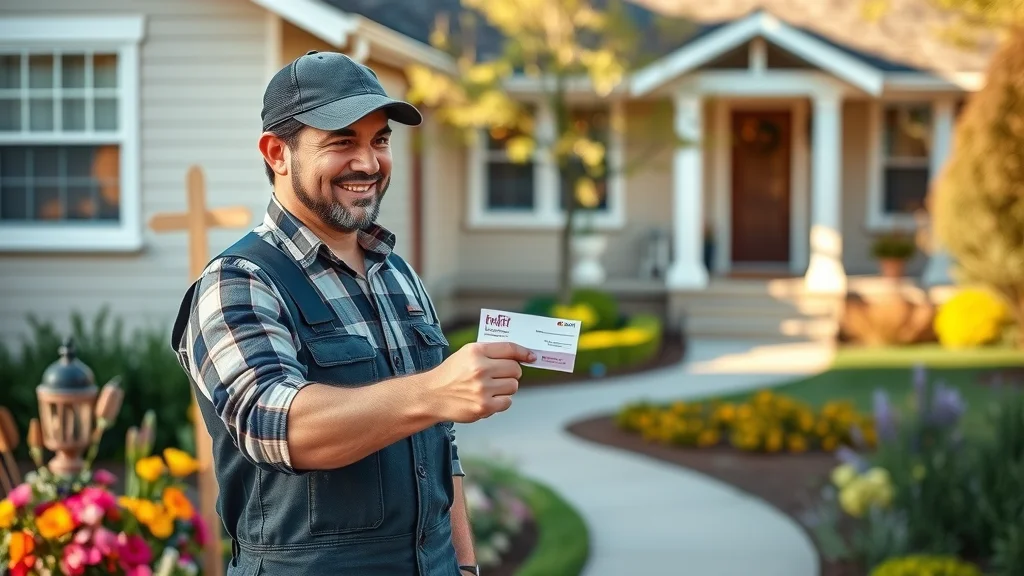
roofer hands referral card to neighbor for roofing marketing referral program
  • Reward structures to boost roofing business referrals
  • Examples of roofing companies thriving from customer referral

A well-designed referral program turns your satisfied customers into your best sales team. Offer meaningful rewards (like Amazon gift cards, free gutter cleaning, or future discounts) for each new client referred. Make it simple—hand out branded referral cards at the end of every roofing project, and follow up by email or text with a quick “thank you” and the reminder of the reward.

For example, Jeremy’s local roofing business doubled its monthly new jobs in less than a year by giving customers a $100 credit for every successful referral. He promoted the program at project completion, through email marketing, and even posted recognition on his social media. His reputation for service and gratitude helped his business become the top-rated roofing contractor in his city—a true case study in referral program ROI.

Turning Happy Clients into Roofing Marketing Brand Ambassadors

content roofing customers share review photo online, becoming roofing marketing brand ambassadors

Once you know which clients are super-satisfied, invite them to become ambassadors for your roofing marketing campaigns. Give them recognition on your company’s social media, share their success stories, or invite them to film a short video testimonial. This kind of authentic, word-of-mouth marketing consistently outperforms cold ads and generic promotions.

Offer incentives for posting their reviews or tagging your company online. Whether through a holiday drawing, quarterly giveaway, or exclusive referral bonuses, turning your happy clients into loyal promoters creates a compounding effect for growing your roofing business.

Story-Driven Marketing Campaigns That Convert

Case Study: Roofing Company Builds a 6-Figure Brand with Digital Marketing

When Mike’s Roof Rescue was founded, it faced fierce competition from larger firms. By investing early in digital marketing—claiming his Google Business Profile, creating educational YouTube content, running search ads, and launching a neighborhood referral campaign—Mike caught the eye of both homeowners and commercial clients. One viral “before and after” video netted 30 local Facebook shares and 50 inquiries in a week. Steady review collection bumped him to the top of Google search results. Within 18 months, Mike’s small business crossed the $500k mark, making him one of the most in-demand roofing service providers in his region.

The lesson is clear: Consistent application of story-driven marketing strategies can take even the smallest roofing business to industry leader status.

Overcoming Roofing Marketing Challenges: Lessons and Solutions

The most common roofing marketing obstacles are budget constraints, lack of in-house expertise, or inconsistent customer follow-up. The solution? Focus on high-ROI activities: optimize your business profile, automate your emails, leverage easy-to-use social media tools, and run a creative referral program. Seek partnerships with local influencers or nearby home service businesses to unlock cross-promotion opportunities. Remember—steady, story-led marketing beats expensive, one-off ad spends every time.

Track your results monthly and adjust your approach. The roofing companies winning in today’s landscape are not necessarily the brightest or the biggest—they’re the ones who commit to continuous improvement and always center their campaigns around real customer stories and outcomes.

How to Stand Out: Unique Roofing Marketing Angles

  • Marketing strategies for storm response roofing services
  • Leveraging seasons and events for your roofing marketing calendar

roofing crew prepares for storm-response marketing campaign with branded vans

Don’t wait for business to slow down to try something creative. For storm-response roofing marketing, build rapid-response social campaigns using real-time weather alerts and “Ready When You Need Us” messaging. Encourage past customers to share emergency photos or stories, and post quick tips on social platforms as storms approach.

Leverage seasons and community events to drive your roofing business calendar: sponsor fall home expos, run “spring cleaning” inspection specials, and share back-to-school giveaways tied to roof tune-ups. By linking your marketing to the rhythms of your local service area and the real needs of potential customers, you stay relevant all year—earning business even during slow spells.

Tables: Track Your Roofing Marketing ROI

Comparing Traditional vs. Digital Roofing Marketing Strategies and ROI
Marketing Channel Cost Lead Volume Average ROI Tracking Ease
Print/Direct Mail $$ Low-Medium 1-2x Hard
Billboards/Signs $$$ Low 1x Hard
Google Ads $$$ High 3-4x Easy
SEO/Google Business Profile $-$$ High 5x+ Easy
Social Media $ Medium-High 3x Easy
Email Marketing $ Medium 4x Easy
Customer Referral Program $ High 6x+ Easy

Monthly Roofing Marketing Budget Breakdown Template
Category Recommended % of Total Budget Sample Monthly Spend ($5,000 budget)
SEO & Website 30% $1,500
Google Ads/PPC 20% $1,000
Social Media 15% $750
Email Marketing 10% $500
Referral Rewards 10% $500
Local Sponsorship/Events 10% $500
Professional Training/Software 5% $250

Frequently Asked Questions (FAQs) on Roofing Marketing

How do you market a roofing company?

Marketing a roofing company successfully requires a blend of digital and traditional approaches. Start with an optimized Google Business Profile and robust website, then fuel lead generation via social media, search engine advertising, and targeted email marketing. Launching a referral program and gathering customer reviews builds trust and drives word-of-mouth, ensuring your business stands out in your service area.

What is the best advertising for roofing?

The most effective advertising for roofing combines Google Ads (especially when bidding on local search terms like “roofing service near me”), maximized Google Business Profile, and creative social media campaigns. These strategies offer fast, trackable results and amplify your reach, especially when paired with a well-run customer referral program.

Can roofers make 100k a year?

Absolutely. Many roofing contractors and small business owners surpass the $100,000 threshold by implementing smart roofing marketing strategies that attract high-quality leads and automate their sales funnels. Regularly updating your business profile, generating reviews, and running consistent campaigns can help roofers reach (and exceed) this income goal.

How do roofers get customers?

Roofers find new customers using digital marketing, local SEO, engaging Google Business Profiles, advertising, customer service excellence, and robust referral programs. By focusing on providing excellent roofing services and making it easy for satisfied clients to refer their friends, successful roofing companies keep their pipelines full year-round.

People Also Ask: Roofing Marketing Answers

How do you market a roofing company?

To effectively market a roofing company, blend local service visibility, search engine optimization, Google Business Profile enhancement, social media engagement, and a robust referral program. Real-world examples prove that multi-channel roofing marketing strategies accelerate growth.

What is the best advertising for roofing?

The best advertising for roofing often combines digital marketing such as search engine ads and targeted social media campaigns, with traditional word-of-mouth bolstered by customer referral programs.

Can roofers make 100k a year?

Yes. Successful roofers, especially those who implement strong roofing marketing strategies and automate lead generation, frequently cross the $100,000 mark annually.

How do roofers get customers?

Roofers attract new customers using optimized roofing marketing tactics such as search engine presence, google business profiles, digital ads, customer service excellence, and robust referral programs.

Final Thoughts: Take Your Roofing Marketing to the Next Level

"If you want tomorrow’s leads today, invest in your roofing marketing now – the sooner you start, the faster you grow."

Next step: Unleash the full potential of your roofing marketing

  • Apply the storytelling examples above to your campaigns
  • Measure everything — from inquiries to closed jobs
  • Commit to ongoing learning: stay updated on roofing marketing trends

I hope you enjoyed reading our blog. If you would like to assistance with your marketing, give us a call at 207-710-1449 or visit our website at www.digitalmarketingall.org.

If you’re ready to take your roofing marketing even further, consider broadening your perspective with proven strategies that work across all industries. Our comprehensive guide on marketing tips and strategies to grow your business offers actionable insights that can help you refine your approach, discover new channels, and maximize your results. By integrating these broader marketing principles with your roofing expertise, you’ll be equipped to adapt to changing trends and consistently outperform the competition. Dive deeper, experiment with new tactics, and watch your business thrive in today’s dynamic marketplace.

To further enhance your roofing marketing strategies, consider exploring the following resources:

  • “15 Marketing Ideas for Roofers”: This article offers practical tips, such as effectively utilizing your Google Business Profile and investing in local SEO, to increase your visibility and attract more clients. (thelocalroofpro.com)

  • “10 Proven Roofing Marketing Ideas to Attract More Clients”: This resource delves into engaging with your audience through social media marketing and starting a referral program, providing actionable strategies to boost your roofing business. (reachdigitalgroup.com)

By implementing these insights, you can develop a comprehensive marketing plan that drives growth and sets your roofing business apart from the competition.

Marketing Strategy

0 Views

0 Comments

Write A Comment

*
*
Related Posts All Posts
12.04.2025

Fix Your marketing blind spots Before They Cost You

Did you know more than 60% of marketing budgets are wasted due to unseen blind spots? What if the biggest drain on your marketing investment is something you can't even see? The landscape of digital marketing is changing rapidly, and while you’re tracking your Google Ads, social media campaigns, and crunching numbers on your analytics platform, hidden gaps might be quietly eating away at your ROI. Ignoring these blind spots in your marketing plan isn't just a minor oversight—it could be the difference between breakthrough success and a costly setback.“More than 60% of marketing budgets are wasted due to unseen blind spots—what are you missing?”Key Takeaways on Marketing Blind SpotsMarketing blind spots often lurk unnoticed yet can cause massive financial risk.Following the customer journey in detail is crucial to revealing gaps in your marketing plan.Attribution and marketing disruption can expose or sometimes conceal important blind spots.Actively seeking out and fixing blind spots ensures your long-term marketing campaigns succeed.The Startling Cost of Marketing Blind Spots: Why You Can't Afford to Ignore ThemMany marketing leaders trust that if they’ve checked every box in their marketing plan, they’re on top of their game. Yet, time and again, businesses—even national advertisers—discover too late that sizeable chunks of their marketing budget were poured into strategies plagued by blind spots. Imagine launching a big campaign, investing in Google Ads, engaging on social media, and deploying targeted email marketing, only to learn months later that your most lucrative customer segment abandoned the journey early—or worse, was never reached at all. These are missed opportunities that competitors will happily seize.In my years consulting on digital strategy, I’ve seen the devastating effects firsthand. One company’s resource allocation was laser-focused on Instagram and Facebook based on outdated customer data. While their analytics platform reported plenty of clicks, it didn’t show that their messaging was missing a rapidly growing audience on TikTok and YouTube. Their marketing investment? Gone—at least 30% wasted on channels that no longer mattered most to their audience. This is why it's critical for your marketing organization to continuously interrogate and update its understanding of where customer journeys are evolving. The moment you think you “know” your customers is exactly when a blind spot is likely to appear.As you work to uncover and address these hidden gaps, it's equally important to ensure your website is optimized for every stage of the customer journey. For actionable strategies on turning casual visitors into loyal customers, explore these proven methods to boost your website conversions and maximize the impact of your marketing efforts.What You'll Learn About Marketing Blind SpotsUnderstand the true meaning of marketing blind spotsRecognize how blind spots can disrupt your marketing planExplore real-world examples and the cost of ignoring customer journeysDiscover strategies for proactively identifying and eliminating marketing blind spotsLearn how to adapt your marketing plan for ongoing disruption and attribution accuracyUnderstanding Marketing Blind Spots: Definition and RelevanceTo get a handle on marketing blind spots, think of your car’s rearview mirror. You might check every angle, but without intentionally looking for what’s hidden, danger can strike from where you least expect it. In marketing, a blind spot is any gap or overlooked area in your strategy, data, or execution that causes you to misunderstand your audience, miss out on conversions, or misread where your investments are (or aren’t) making impact. These are not always obvious. Sometimes they reside in customer journeys, data silos, outdated market trends, or even in your assumptions about your brand experience.What makes marketing blind spots especially problematic is how quickly they can form. The moment you build a marketing plan and set it into motion, disruptive forces—including new competitors, changes in technology, or evolving customer experiences—can open new blind spots. The cost isn’t limited to missed sales. These gaps affect informed decisions on resource allocation, making it harder to understand which marketing efforts are working. Without a proactive strategy, your marketing organization risks falling behind.Blind Spot vs. Blind Spots in Marketing: What's the Difference?It’s easy to use “blind spot” and “blind spots” interchangeably, but there’s an important distinction. A “blind spot,” singular, refers to one specific area—like ignoring TikTok while heavily investing in Facebook ads. But “blind spots” (plural) describes the many hidden gaps that can exist simultaneously across your marketing campaigns: missed customer journey steps, attribution errors, or relying on a single outdated analytics platform. Most organizations don’t have just one, but several, and they often compound over time, quietly chipping away at results.For example, a company might identify a single blind spot after analyzing their latest marketing disruption, only to uncover five blind spots lurking in unrelated channels or parts of their marketing organization. The more you zoom out and connect the dots between customer journeys, data, and market trends, the more likely you’ll spot—and fix—what you previously missed. Vigilance and a broad view are essential.How Marketing Blind Spots Emerge in Every Marketing PlanEvery robust marketing plan starts with careful assumptions about the customer, the best channels, and the content that will lead to conversions. Yet, over time, as campaigns unfold and new data flows in, previously unforeseen blind spots appear. Sometimes, a “set it and forget it” mentality is to blame: a marketing organization launches a Google Ad campaign based on last year’s insights, unaware that disruptive new market trends have shifted customer behavior elsewhere.Blind spots often emerge when teams rely too heavily on a single analytics platform, ignore key attribution signals, or focus solely on direct conversions instead of mapping the entire customer journey. This leads to missed opportunities, ineffective spending, and lack of visibility into where ROI is truly being generated. In short, marketing blind spots are not a sign of failure—they’re a sign that your strategy needs to evolve as quickly as the world around it.The 3-3-3 Rule in Marketing: Spotting Blind Spots EarlyThe 3-3-3 Rule has emerged as a quick, proactive way to help marketing leaders uncover hidden gaps before they become costly. It works like this: every three months, look critically at three of your main marketing channels, and dig into three potential problem areas within each channel. This method forces you out of autopilot and ensures you’re not letting blind spots accumulate in corners of your marketing plan. The rule doesn’t replace deep-dive analytics or customer journey mapping, but it can serve as an emergency health check for your entire marketing organization.Using the 3-3-3 Rule, marketing teams often identify shifts in customer behavior that weren’t captured in routine reporting. This could be a drop in engagement on a historically successful channel like email, a lagging attribution pixel on your Google Ads, or a sudden spike in negative feedback missed by social listening tools. While it’s a rapid approach, it plants the mindset of constant vigilance—one of your best defenses against marketing disruption.What is the 3-3-3 Rule in Marketing?At its core, the 3-3-3 Rule boils down to disciplined, regular inspection of your marketing plan. Every 90 days, select three key channels (say, social media, paid search, and email), then examine three core performance indicators or customer touchpoints within each. Are conversion rates dropping? Has your customer journey shifted? Are you missing vital signals from attribution data? By systematically working through these areas, you can catch and address blind spots before they spiral.Many marketing organizations have adopted this rule as a simple way to “force” critical conversations and unveil where the marketing plan might be lagging behind rapidly changing consumer expectations or disruptive technology. This approach helps you make informed decisions and keep pace with the future of marketing, especially when new blind spots can emerge overnight.Examples: The 3-3-3 Rule in Action and Its Impact on the Customer JourneyLet’s put the 3-3-3 Rule to the test. Imagine a retail brand that proudly tracks every Google Ad click and analyzes its social media for mentions. After applying the rule, the brand discovers that while Instagram Stories drive early interest, 90% of conversions finish on an overlooked desktop landing page—one that hasn’t been updated in months. Another example comes from a tech startup that consistently mapped three customer journey stages but forgot to include actions taken on support chatbots—missing a critical blind spot in post-purchase experience that led to churn.These cases reveal how applying the 3-3-3 Rule sheds light on real breakdowns. The rule prompts a mix of surface-level “health checks” and deeper analysis through attribution and journey mapping. It won’t find everything, but it will keep your eyes peeled and your team engaged—helping track your marketing efforts with intention and adjust before costly mistakes become patterns.Comparison of Marketing Blind Spot Detection MethodsApproachStrengthsLimitations3-3-3 RuleQuick & SimpleMay miss subtle gapsCustomer Journey MappingDeep InsightsResource IntensiveAttribution AnalysisData-DrivenNeeds robust data setupBlind Spots in Business: Beyond the ObviousBlind spots don’t just hide in digital dashboards—they often seep into organizational culture, outdated beliefs, and even how marketing leaders interpret data. The biggest risk is not realizing how assumptions about your customer journey, markets, or attribution are outdated or wrong. This creates a “gap” where value and understanding leak away unnoticed.Consider how leading the disruption in your category often involves challenging not just the status quo, but also the invisible gaps in how your marketing plan is built. Teams that encourage transparency and actively seek out missing segments in data or strategy have a distinct competitive advantage. Spotting and fixing blind spots consistently means more customer experience wins, better ROI, and more resilient marketing organizations.What Does Blind Spot Mean in Business?In a business context, a blind spot is the gap between what you think your customer journey is and what it actually is. You might believe you have a full view—solid analytics, regular feedback, a mapped-out marketing plan—until disruption reveals hidden problems. Maybe you’re missing how customers discover you, or you’re not aware of friction points that cause them to drop off.For example, the Association of National Advertisers uncovered five blind spots common to even the most sophisticated advertising campaigns, ranging from missing context in marketing attribution to failing to adapt fast enough to disruptive forces. Whether it’s the failure to spot shifting customer journeys, or relying on outdated social listening tools, business blind spots are unintentional, but always costly.“In business, a blind spot is the gap between what you think your customer journey is—and what it actually is.”Common Blind Spots in Modern Marketing PlansBlind spots manifest in today’s marketing organizations in several recurring ways: Ignoring smaller but rapidly growing customer segments while focusing exclusively on high-volume, established ones. Overlooking attribution signals that point to weak spots in your marketing funnel. Relying on an analytics platform that doesn’t capture key touchpoints like in-store visits, emerging social platforms, or chatbot interactions. Focusing on direct sales without considering the expanding influence of online reviews, word of mouth, or user-generated content. Smart marketers know each of these areas presents a unique kind of blind spot—one that’s only “visible” when you ask yourself: What aren’t we seeing? Are we still making decisions based on market trends from last year? Are our customer journeys mapped end to end? Or are we letting disruptive forces dictate where customers go without realizing it ourselves?Real-Life Examples: Marketing Blind Spots that Cost CompaniesMissed shifts in customer journeys leading to significant revenue lossIgnoring feedback loops in marketing attribution, hiding real performance issuesFailing to adapt a marketing plan to sudden market disruptions, leading to competitive disadvantageAlmost every marketing leader has a war story about a time when a blind spot led to a serious setback. One global brand spent millions on televised ads while a competitor’s viral social media campaign went viral, shifting market share overnight. Another national retailer ignored mobile commerce trends, clinging to the comfort of desktop traffic data, only to see e-commerce revenue plateau as shoppers flocked to faster, app-driven competitors.Case Study: A Retailer's Blind Spot and the Price PaidA well-known retailer mapped its marketing efforts to its loyalty program users, assuming they represented the broader customer base. What they missed: a fast-growing demographic of non-loyalty digital shoppers attracted through influencer campaigns and YouTube reviews. While the brand’s analytics platform showed healthy performance among the loyalty set, overall market share declined. The marketing blind spot? Not tracking new-to-brand customers outside the loyalty bubble—which cost them millions in unclaimed revenue over two peak seasons.Case Study: Tech Startup Faces Marketing Disruption from Blind SpotA startup offering innovative SaaS solutions saw solid growth from Google Ads and email campaigns. But when a disruptive force—new privacy rules—changed how tracking pixels functioned, conversions sharply dropped. Instead of proactively auditing their marketing attribution, the team doubled down on their existing strategy. Months passed before they realized their top customer segment now started their journey on third-party review sites the team had never tracked. The cost: misleading ROI figures and wasted ad spend, all because of a blind spot in the early customer journey.How Marketing Disruption Reveals Hidden Blind SpotsEvery period of marketing disruption—think sudden shifts in consumer habits, new compliance laws, or viral trends—serves as a “stress test” for your marketing plan. If disruptive forces break something you didn’t know was weak, that’s a blind spot. The recent surge in social media micro-influencers, for example, changed existing models of attribution and engagement almost overnight, making legacy strategies instantly outdated and exposing blind spots in digital spend.Disruption plays both roles: exposing old gaps and creating new ones. The key is how quickly your marketing organization adapts. By building regular disruption checks into your marketing plan, you minimize the risk that a single unforeseen change will wipe out months of hard-won results.The Role of Marketing Disruption in Uncovering or Creating New Blind SpotsMarketing disruption occurs when something—be it a market trend, a technological innovation, or societal shift—fundamentally changes the environment in which your customers operate. Disruption uncovers blind spots by putting unprecedented stress on familiar processes. Take the 2020 pandemic: suddenly, local search outranked global campaigns, and brands with weak e-commerce journeys saw revenue evaporate. Those invested in flexible, real-time attribution had the agility to pivot; those who didn’t, suffered.On the flip side, disruption can also create brand new blind spots. For example, the rise of voice search led marketers to overemphasize keyword optimization while neglecting how voice-driven actions change the customer journey. The lesson? Never assume that yesterday’s plan covers tomorrow’s reality. Looking for blind spots is never “done” work.Responding to Disruption: Updating Your Marketing Plan ContinuouslyThe only way to stay ahead of disruption is with a living marketing plan—one that’s reviewed and refined regularly. Marketing attribution models must be updated as channels and behaviors evolve. Schedule quarterly reviews (utilize the 3-3-3 Rule!) and build in “what-if” scenarios: What happens if a key channel disappears or a competitor launches a new product? Make disruption checks part of your routine.Top-performing marketing organizations see disruption as an opportunity to uncover and patch blind spots. They encourage marketers to challenge assumptions, run pilot campaigns in emerging spaces, and double down on tracking the real, up-to-date customer journey. The future of marketing belongs to those who adapt the fastest.Disruption vs. Blind Spot TableDisruption TypePotential Blind SpotRecommended ResponseNew TechnologyChannel OverlookedReassess AttributionConsumer ShiftsMissed Journey SegmentExpand Persona ResearchMapping the Customer Journey to Reveal Blind SpotsCustomer journey mapping remains one of the most powerful tools for illuminating invisible weaknesses and opportunities. By visualizing every step and touchpoint your customers take, you stop relying on assumptions and start making data-backed, informed decisions. Modern organizations go beyond standard “awareness to purchase” charts. They map recurring loops, abandonment points, high-value advocacy interactions, and post-sale experiences.Mapping also enables better marketing attribution—tracing exactly which actions or content lead to conversions and lifetime value. Without this knowledge, marketing blind spots linger undetected, often until it’s too late to recapture the lost ROI. Continuous journey mapping is a foundation for competitive advantage, uncovering both missed channels and unrealized opportunities.Why Customer Journey Mapping Matters to Marketing AttributionMarketing attribution is only as accurate as your understanding of the full customer journey. If your map has missing or outdated steps, attribution models will fail—sending your marketing investment to the wrong places. For example, a SaaS provider that tracks paid search clicks but ignores referral traffic from review sites has an attribution blind spot. Their reported ROI will never match actual performance.Sophisticated journey mapping encourages you to break assumptions, ask better questions (“How did our best customer really find us?”), and plug gaps quickly. Building attribution into journey maps gives you a shared, visual view so all team members—analytics specialists, creative, and executives—stay aligned on what’s working, what isn’t, and where to invest next.How to Visualize Customer Journeys to Eliminate Blind SpotsTo truly eliminate blind spots, your customer journey visuals must be interactive, dynamic, and include feedback from real users. Modern tools, like automated mapping platforms, allow teams to overlay performance data (conversion rates, drop-offs) on each journey step. Don’t stop at the linear sales funnel—branch out to consider all discoverability options: social, referral, paid, organic, and offline.Step into the shoes of your actual customer. Does your journey map reflect the detours they take through content, reviews, or multiple devices? Include dead ends, feedback points, and hand-offs between departments. The more granular and honest your mapping, the fewer blind spots you’ll miss.Marketing Attribution: Fixing Blind Spots for ROIMarketing attribution is about connecting each sale, signup, or lead back to the precise actions and channels that made it happen. This level of visibility exposes where your marketing plan is driving real value—and where blind spots may be hiding waste. Common attribution errors include over-crediting last-click actions or missing “assist” channels like brand mentions or organic search, leading to skewed investment.Fixing attribution blind spots starts with embracing multi-touch attribution and adopting the right analytics platforms. Every time you discover an unexpected gap—say, sales coming from a previously ignored source like online reviews—you can update your models, focus spending, and improve ROI. Remember, attribution is a marathon, not a sprint. The best organizations build curiosity and adaptability into every campaign, increasing accuracy and reducing financial risk.Common attribution errors hiding marketing blind spots: last-click bias, siloed channel reporting, ignoring cross-device activityTools for improving marketing attribution accuracy: advanced analytics platforms, customer journey mapping software, integrated CRM solutionsBlind Spot Bias in Marketing: How Human Psychology Influences Business DecisionsWhat is the Blind Spot Bias in Marketing?Blind spot bias—the tendency to see gaps in others’ thinking but not your own—wreaks havoc in business. Marketing leaders might be certain their plan is airtight while overlooking deep flaws in data collection, creative messaging, or resource allocation. Confirmation bias inflates this problem further: we see success where we expect it and dismiss new or contradictory insights that threaten our assumptions.The upshot? Even the best intentions breed blind spots, especially under pressure to justify previous decisions. By recognizing this bias, leaders can take intentional steps to invite outside perspectives, review “taboo” questions, and encourage debate about what’s missing from their marketing organization’s strategic vision.Overcoming Blind Spot Bias Through Objective MeasuresThe cure for blind spot bias is systematic, evidence-based review—turning subjective “gut” calls into data-driven action plans. Regular audits, open feedback loops, and benchmarking against competitors force marketers to see what they might prefer to ignore. Ask outside partners or peers to critique your marketing plan, and reward internal teams for surfacing “bad news” or unexpected findings.Blind spot bias isn’t about what you see—it’s about what you can’t admit you can’t see. Only by admitting this vulnerability can your marketing organization evolve into a learning machine that stays resilient and innovative even as markets and technology shift.“Blind spot bias isn’t about what you see—it’s about what you can’t admit you can’t see.”Checklist: Proactive Steps to Fix Your Marketing Blind SpotsAudit your marketing plan for hidden blind spotsRegularly map and update customer journeys to reflect real pathwaysEnhance every channel’s marketing attribution method for full visibilityFoster a culture open to disruption and continuous improvementAddress human psychological biases in team and leadership decision makingFAQs about Marketing Blind SpotsWhat is the 3 3 3 rule in marketing?The 3 3 3 rule in marketing means reviewing three channels every three months and examining three problem areas in each. This simple routine helps you spot blind spots by regularly questioning where performance is lagging and where customer journeys may be changing. It’s not a cure-all, but it serves as an early warning system for potential gaps in your marketing plan.What does blind spot mean in business?In business, a blind spot is an area you overlook—often unknowingly—that creates a gap between your assumptions and reality. This could be a missing part of the customer journey, overlooked attribution data, or reliance on outdated market trends. Recognizing and closing blind spots is key to making informed decisions and staying competitive.What is an example of a blind spot?A common marketing blind spot is failing to adjust your social media strategy as your audience shifts to a new platform. For example, continuing to allocate budget to Facebook ads while your primary customer base has migrated to TikTok or Instagram can lead to wasted spend and lost engagement. Spotting and adapting to these changes quickly prevents missed opportunities.What is the blind spot bias in marketing?Blind spot bias in marketing is the tendency to recognize gaps or mistakes in others’ marketing plans but fail to notice the same errors in your own. This psychological bias can cause leaders to stick with outdated strategies, ignore negative feedback, or miss signals indicating poor performance. Building objective review processes helps reduce this risk.Next Steps: Take Action and Fix Your Marketing Blind SpotsThe fastest way to protect your marketing budget and supercharge your ROI is to commit to finding and fixing your marketing blind spots. Audit your plan, visualize real customer journeys, embrace disruption, and challenge your team to see what others miss. Your success depends on ongoing curiosity, honest feedback, and a willingness to update how you measure and make decisions.If you’re ready to take your marketing strategy to the next level and outpace the competition, consider how emerging technologies and search trends are reshaping the digital landscape. Staying ahead means not only fixing blind spots but also mastering the latest advancements in search and customer engagement. Discover how you can leverage AI-driven search and future-proof your marketing with the insights in this comprehensive guide to ranking higher and converting more customers in 2025. Embrace innovation, adapt your approach, and ensure your marketing plan is built for tomorrow’s challenges as well as today’s opportunities.I hope you enjoyed reading our blog. If you would like to assistance with your marketing, give us a call at 207-710-1449 or visit our website at www.digitalmarketingall.org.To deepen your understanding of marketing blind spots and how to address them, consider exploring the following resources:“Marketing disruption: Five blind spots on the road to marketing’s potential” (mckinsey.com)This article identifies critical areas where marketing strategies often falter, such as fragmented customer experiences and disconnects between leadership and frontline teams. It offers insights into recognizing and overcoming these challenges to enhance marketing effectiveness.“How marketers can avoid those big data blind spots” (mckinsey.com)This piece discusses the pitfalls of relying solely on big data analytics, emphasizing the importance of integrating long-term brand-building strategies with short-term data insights to avoid misattributing marketing successes or failures.By delving into these articles, you’ll gain a comprehensive view of common marketing blind spots and practical strategies to mitigate them, ensuring your marketing efforts are both efficient and impactful.

11.29.2025

How to Find and Reach Your Ideal Customer Fast

Pinpoint your ideal customer, reach them with tailored strategies, and drive growth using actionable, data-driven digital marketing tactics.

11.23.2025

Stop Missing Sales: Fix Your Marketing Blind Spots Today

Did you know that nearly 45% of marketing budgets are wasted every year thanks to overlooked blind spots? For every marketing dollar you pour into digital marketing, almost half might slip away—not because your campaigns lack effort, but because hidden gaps sabotage your results. Whether you’re a business owner laser-focused on growth or a digital marketing strategist aiming to stay ahead, what you don’t see could be costing you real sales. In this comprehensive guide, discover the eye-opening stories and practical tactics that will help you finally fix your marketing blind spots—and convert missed opportunities into measurable revenue.Key Takeaways: What You Need to Know About Marketing Blind SpotsDefinition: Marketing blind spots are hidden gaps or overlooked weaknesses in your marketing strategy that often remain invisible, even to experienced marketers.Even the most seasoned digital marketing pros struggle to spot these gaps, especially as new channels and market trends emerge rapidly.Recognizing and resolving marketing blind spots can immediately boost revenue, maximize your marketing budget, and deliver more personalized experiences to your target audience.A Wake-Up Call: How Marketing Blind Spots Kill SalesRecent studies show that over 50% of businesses miss critical sales opportunities due to overlooked blind spots in their marketing strategy.This translates into thousands of dollars lost every year in missed opportunities and ineffective marketing campaigns.At one real business, a single blind spot in customer segmentation caused a shocking 30% drop in revenue—all because a crucial audience was ignored!Imagine a team gathered in a glass-walled office overlooking the city, their attention fixed on a digital screen that displays surprising, even troubling sales data. Reports are spread everywhere, hands point anxiously to a line graph plummeting downward. This is what happens when marketing blind spots creep into your routine—sales and website traffic tank, while you scramble to understand where it all went wrong. Businesses of every size have faced the harsh reality that not seeing the full picture can be their biggest competitive disadvantage.What You'll Learn in This Guide to Marketing Blind SpotsLearn how to identify hidden marketing blind spots in your business through effective market research and customer journey analysis—even if you’ve been in digital marketing for years.Techniques to overcome blind spots using practical market research and customer journey analysis, not just hunches.The latest marketing analytics tools and real-world solutions you can use to refine every dollar spent.Step-by-step tips and case studies to transform blind spots into competitive advantages starting today.From relatable stories to actionable checklists, this guide demystifies marketing blind spots and equips you with the knowledge to recognize and address weaknesses that drain your marketing budgets. You’ll discover how to spot overlooked audience segments, unproductive channels, and misunderstood metrics—plus, how top brands turned their blind spots into their biggest strengths.Understanding Marketing Blind Spots: Definition and ImpactWhat Does Blind Spot Mean in Business?A blind spot in business is an area of your marketing or operations that you can’t see clearly—or may not even realize exists—until it causes problems.In digital marketing, blind spots often show up as overlooked audience segments, ignored analytics, or outdated strategies, making them especially hard to catch without intentional review.To illustrate: a leading brand rolled out an email campaign targeting what they thought was their full target audience. But customer feedback later revealed they’d missed a powerful untapped segment, resulting in lackluster results. The lesson? Marketing blind spots can exist for months (or years), quietly undercutting your efforts and leaving growth on the table, unless you recognize them early.Blind Spot: How Invisible Gaps Sabotage Your Digital MarketingAt the heart of every marketing blind spot is an invisible gap—psychological, technological, or operational—that sabotages success.Common signs your marketing strategy suffers a blind spot: stagnating or declining website traffic, unexplained drops in sales, high bounce rates, or customer feedback revealing problems you didn’t anticipate.If you’ve ever wondered why certain promotions crash and burn despite your best efforts, chances are, a hidden marketing blind spot is sabotaging your digital marketing strategy. The psychology behind this comes down to our tendency to overlook uncomfortable truths or data that challenge our assumptions—a phenomenon known as blind spot bias. As your business evolves, so do your blind spots, requiring constant vigilance to spot, understand, and eliminate them.Types of Marketing Blind Spots You Might Be MissingWhat is an Example of a Blind Spot?Missed Segments: A retailer focused all efforts on young urban buyers, ignoring growing suburban families—missing out on a lucrative market.Unrecognized Customer Behaviors: An online brand attributed high bounce rates to landing page design but failed to realize checkout confusion was the real culprit.Misunderstood Metrics: A company celebrated rising website traffic but didn’t track conversions, missing that most visitors left without becoming customers.Brands like these learned the hard way that blind spots can devastate your bottom line. One national food chain, for instance, completely missed a customer trend toward healthier options—resulting in outdated menus and declining sales for an entire year!The Four Types of Marketing: Where Blind Spots HideProduct: Not realizing your best-selling item is outpaced by a new customer favorite.Price: Failing to spot competitors undercutting you, or missing customer sensitivity to small pricing changes.Place: Overlooking the importance of emerging e-commerce channels or local delivery trends.Promotion: Running campaigns on outdated platforms, or misaligning message tone with what resonates now.Comparison of Blind Spot Risk Factors Across Marketing TypesTypeCommon Blind SpotsImpactProductIgnoring new trends and changing customer preferencesLost relevance, declining salesPriceMissing competitor price drops, hidden value signalsCompetitive disadvantage, lost market sharePlaceNeglecting new channels or supply chain disruptionsPoor distribution, unsold inventoryPromotionRelying on outdated communication methodsWasted spend, weak brand awarenessWhat is an Example of Blind Spot Bias?Blind spot bias is when marketers believe they are less susceptible to errors or cognitive biases than everyone else.For example, an agency so confident in a campaign’s design that they dismiss negative feedback—missing that their own assumptions aren’t shared by customers.Science shows that we’re wired to favor information that confirms our beliefs—AKA, confirmation bias. One retailer ignored mounting data that their best-selling product was slipping out of favor. Months later, they faced a major revenue slump—all because they couldn’t see past their bias to a dangerous marketing blind spot.Spotting Marketing Blind Spots With Market ResearchMarket Research Techniques to Reveal Blind SpotsUse data analytics to track website behavior, customer retention, and shifting purchase patterns.Conduct regular surveys and focus groups to hear what customers really think—often revealing gaps your team missed.A business owner who relied on only old survey data soon found their strategy misaligned with new market trends. Fresh market research uncovered a new audience hidden in plain sight, fueling a pivot that saved their quarterly goals. The good news is that with targeted market research, you can uncover hidden marketing blind spots and turn them into growth opportunities You don’t need a massive marketing budget to do this—start with basic surveys and tools like Google Analytics, then grow from there.“It’s not what you know, but what you don’t know that gets you in trouble.” – Marketer’s AdageHow to Use Marketing Analytics to Detect Blind SpotsThe Pitfalls of Vanity Metrics in Digital MarketingVanity metrics—like page views or social media likes—look impressive, but often mask real blind spots. Relying solely on them can leave gaps in understanding that lead to missed sales.Instead, track actionable analytics like conversion rates, cost per customer acquisition, and customer lifetime value for a true picture.One startup boasted massive social media growth, but their sales stagnated. Digging deeper, they learned that their audience wasn’t converting. By focusing on the right metrics, they identified their blind spot and tripled their sales in six months.Marketing Analytics Tools That Spotlight Blind SpotsUse platforms like Google Analytics, Hotjar (for heatmaps and user tracking), and HubSpot (for comprehensive journey analysis) to get real-time, actionable insights.Step-by-step guide:1. Set up conversion tracking in Google Analytics.2. Map out each step of your customer journey and analyze drop-off points.3. Use session replays and heatmaps to see where users get confused or lost.4. Regularly segment your reports by source, device, and customer profile to pinpoint hidden blind spots.Many business owners only scratch the surface of these platforms. Take time for a deeper dive—those hidden reports could unlock the breakthrough your marketing needs.Customer Journey Mapping: Exposing Hidden Blind SpotsWithout clearly understanding each phase of your customer journey—from awareness to advocacy—you risk missing critical blind spots that cause you to lose prospects at unanticipated points.For instance, some of the highest blind spot risks occur during the post-purchase phase, where many businesses forget to nurture or upsell their customers.Picture a business laying out a giant map across their desk, marking every interaction—from the first ad click to the loyal repeat purchase—with colorful icons. It’s not just an exercise in organization; it’s a practical way to uncover weaknesses lurking in the handoff between sales and support, or between online ads and in-store visits. By catching these marketing blind spots along the customer journey, you’ll drive more conversions and build lasting loyalty.Customer Acquisition and Lifetime Value: Don’t Overlook These Blind SpotsWhere Blind Spots Appear In Customer AcquisitionMissing entire marketing channels (like TikTok or podcasts) that could connect you to a new audience.Neglecting “micro-segments”—for example, only targeting “parents” but forgetting to distinguish between new parents and those with teens.Even business owners with polished marketing strategies can develop blind spots in customer acquisition by overlooking fast-growing platforms or relying on the same old channels year after year. Every time you ignore a niche group or bypass a new platform, you create a blind spot that competitors can exploit.Customer Lifetime Value: The Ultimate Blind SpotMany businesses focus so intensely on making the first sale, they ignore customer retention—missing that it’s far cheaper (and more profitable) to keep a customer than constantly chase new ones.Use analytics to examine how long customers stay, how often they buy again, and what makes them leave. This uncovers blind spots in loyalty and repeat sales.For instance, a professional reviewing stacks of customer data realizes that while new signups flourish, existing customer churn quietly grows. By digging into trends in customer lifetime value, they reshape their loyalty programs and turn potential losses into new growth.Social Media: The Fastest-Growing Area for Marketing Blind SpotsTrends and Tactics: Social Media Growth Creates Blind SpotsSocial media platforms and their ever-evolving algorithms change rapidly, creating common blind spots that cause brands to miss new ways to engage their target audience effectively.Many brands lose reach overnight when they fail to adapt content strategies to the latest algorithm changes or ignore analytics.Imagine investing months in a Facebook campaign, only for your reach to drop suddenly. Often, this is due to unspotted blind spots—like not testing content formats or missing out on trending hashtags. Proactively analyzing performance and experimenting with new tactics helps you stay ahead and mitigate these risks.Marketing Strategies That Mitigate Blind SpotsBuilding a Bulletproof Digital Marketing StrategyAsk critical questions: Are we tracking customer actions at every step? When did we last research our audience? Is our competitive research current?Beware of over-relying on assumptions from past successes—marketing blind spots often lie in believed-forgotten details.A holistic approach means regular audits, ongoing market research, and agility to pivot when trends shift. The best way to build an effective marketing plan is to make blind spot checks part of your standard operating procedures, not occasional events.Innovative Marketing Strategies to Preempt Blind SpotsAdopt agile routines—test, learn, and pivot fast. Use real-time analytics dashboards to catch issues early.Learn from brands like Netflix and Spotify, who use continuous data and personalized experiences to remove marketing blind spots before they appear.A startup launched a campaign based on what worked last season, only to see results tank. Switching to a live analytics dashboard revealed overlooked metrics, prompting a quick strategy shift—saving the campaign and creating a repeatable model for growth.Case Studies: Businesses That Transformed by Fixing Marketing Blind SpotsSmall Business: A local shop stagnated for months—until a customer journey mapping exercise exposed a big gap in post-purchase follow-up. Adding a loyalty email campaign sparked repeat sales almost overnight.Startup: Running out of funding, a startup realized their market research was three years old. Updating it revealed a fast-emerging segment, breathing new life (and investors) into their marketing.Established Brand: Customer churn was a silent killer until updated analytics showed declining repeat purchases. Acting fast, the brand changed their retention strategy and quickly returned to growth.Each story shows that fixing marketing blind spots isn’t just possible, it’s transformative. Whether you’re new to business or an industry veteran, regular audits and open minds make all the difference.Checklist: How to Audit Your Business for Marketing Blind SpotsStep-by-step blind spot self-audit: Review recent campaigns, analytics, and customer feedback for overlooked areas.Ask your team: “What do we assume about our customers? When did we last check those assumptions?”Collect and review data: Gather website, social media, loyalty, and sales metrics—compare segments and sources for inconsistencies.Interpret the results: Identify patterns of drop-offs, neglected segments, or missed opportunities. Act immediately on the biggest gaps.Frequently Asked Questions About Marketing Blind SpotsWhat does blind spot mean in business?In business, a blind spot refers to a weakness or gap that goes unnoticed—often until it creates lost sales or performance issues. Marketing blind spots usually involve overlooked channels, audiences, or metrics.What is an example of a blind spot?Classic examples include ignoring an emerging customer group, missing warning signs in your analytics, or relying on vanity metrics that look good but don’t contribute to actual growth.What are the 4 types of marketing?The four core categories are product, price, place, and promotion. Blind spots can lurk within each type, from misjudged product demand to poorly aligned messaging.What is an example of blind spot bias?Blind spot bias occurs when you believe you’re less prone to marketing mistakes than others. This overconfidence can prevent you from noticing or correcting dangerous strategy flaws.Ready for a practical walkthrough? Dive into our exclusive step-by-step video, where marketing experts diagnose real examples and show how to implement fixes that work.Next Step: Turn Awareness Into Revenue By Fixing Your Marketing Blind Spots“Awareness isn’t enough. Action wins. Businesses that address their marketing blind spots outperform their competition every single time.”When you confront your blind spots, you unlock new levels of growth—transforming hard-earned awareness into tangible revenue.Take the challenge: Review your current marketing, find at least one blind spot using the checklist above, and commit to addressing it today. You’ll join the ranks of business owners who turn insights into competitive advantage and lasting sales success.I hope you enjoyed reading our blog. If you would like to assistance with your marketing, give us a call at 207-710-1449 or visit our website at www.digitalmarketingall.org.To deepen your understanding of marketing blind spots and how to address them, consider exploring the following resources:“Marketing disruption: Five blind spots on the road to marketing’s potential”This McKinsey article identifies key areas where marketing strategies often falter and provides insights into overcoming these challenges. (mckinsey.com)“How marketers can avoid those big data blind spots”Another McKinsey piece that delves into the pitfalls of relying solely on big data, offering strategies to ensure comprehensive and effective marketing analysis. (mckinsey.com)By reviewing these articles, you’ll gain valuable perspectives on common marketing blind spots and practical approaches to mitigate them, enhancing your overall marketing effectiveness.

Terms of Service

Privacy Policy

Core Modal Title

Sorry, no results found

You Might Find These Articles Interesting

T
Please Check Your Email
We Will Be Following Up Shortly
*
*
*