



Add Row
Add Element
Digital Marketing All
update

cropper
update
Add Element
  • Facebook icon
    update
  • update
  • update
  • Linkedin Icon
    update
  • update
  • YouTube Icon
    update
  • Instagram Icon
    update
  • Home
  • Categories
    • Advertising
    • AI
    • AI Agents
    • AI Search
    • Answer Engine Optimization
    • Backlinks
    • Backlinks
    • Black Friday Tips
    • Blog
    • Brand Loyalty
    • Brand strategy
    • Brand voice
    • Business
    • Chat bots
    • Company Reviews
    • Content
    • Customer Journey
    • Customer Retention
    • Domain Authority
    • Dominating Local Market
    • E-Commerce
    • Email Marketing
    • Email Marketing
    • Email Strategies
    • event marketing
    • FaceBook
    • GBP
    • Google
    • Google
    • Google Ads
    • Google Map Pack
    • Influencers
    • Instagram
    • Keywords
    • Keywords
    • Landing Pages
    • Lead Generation
    • LinkedIn
    • Local Marketing
    • Marketing
    • Marketing Strategy
    • Marketing Tools
    • Online Directories
    • Online Directories
    • Paid Ads
    • Podcast
    • PPC
    • Reddit
    • Referrals
    • Reputation
    • Reviews
    • Sales Funnel
    • Sales Strategy
    • Search Box Optimization
    • Search Engines
    • Search Price Optimization
    • semantic search
    • SEO
    • Social Media
    • Social Media Strategy
    • Selling Tips
    • SMS Marketing
    • SEO Strategy
    • storytelling content
    • Tik Tok
    • Traffic
    • Video
    • Video Blogging
    • Video Content
    • Voice Search
    • Website
    • Webinar
    • YouTube
    • Zero Click
    • Quora
    • Bing
  • Life Advantage Series
  • Featured Clients
  • What's In Mass
  • Latest News
  • Business Mastery
  • All Posts
  • AI
  • Brand voice
  • Brand strategy
  • Company Reviews
  • Reviews
  • Reputation
  • Marketing
  • Social Media
  • Content
  • Blog
  • Video Blogging
  • Online Directories
  • Marketing Strategy
  • Website
  • SEO
  • Traffic
  • Lead Generation
  • Sales Funnel
  • Email Marketing
  • Advertising
  • Marketing Tools
  • Business
  • E-Commerce
  • Email Strategies
  • PPC
  • Keywords
  • GBP
  • Landing Pages
  • Black Friday Tips
  • Search Engines
  • Backlinks
  • Dominating Local Market
  • SEO Strategy
  • Keywords
  • YouTube
  • Online Directories
  • Google
  • FaceBook
  • SMS Marketing
  • Email Marketing
  • Referrals
  • Selling Tips
  • Sales Strategy
  • Customer Retention
  • Tik Tok
  • Reddit
  • Instagram
  • Google
  • Chat bots
  • Video
  • Social Media Strategy
  • LinkedIn
  • Influencers
  • Brand Loyalty
  • Paid Ads
  • Customer Journey
  • Zero Click
  • Answer Engine Optimization
  • Webinar
  • Local Marketing
  • AI Search
  • Voice Search
  • Search Box Optimization
  • Search Price Optimization
  • Google Map Pack
  • Domain Authority
  • semantic search
  • event marketing
  • Podcast
  • Featured Clients
  • Google Ads
  • Backlinks
  • Video Content
  • storytelling content
  • Life Advantage Series
  • Latest News
  • AI Agents
  • Business Mastery
  • Quora
  • Bing
November 08.2025
1 Minute Read

Unlock the Magic of ai visibility—You’ll Never Go Back

Here’s a fact that might surprise you: Over 70% of digital leaders now attribute their web growth to cutting-edge AI visibility techniques. Suddenly, the secret sauce of online success isn’t just SEO—it’s AI-powered strategy. Imagine a world where your brand appears everywhere customers search, not just on Google, but in smart answer engines and AI-driven searches, too. AI visibility isn’t just an upgrade—it’s a revolution rewriting the rules of digital marketing. Keep reading to discover why you’ll never approach SEO the same way again.

Futuristic digital marketer analyzing AI-powered graphs on a computer, illustrating ai visibility and SEO success in a high-tech office environment

Key Takeaways from Embracing AI Visibility

  • AI visibility offers actionable insights for immediate results, propelling your brand into the spotlight, not just onto search engine results pages.

  • Adopting answer engine technology gives you a strategic edge over competitors stuck with traditional SEO.

  • Integrating ai models within your existing seo toolkit provides a future-ready marketing foundation that adapts as technology evolves.

"Did you know that over 70% of digital leaders now attribute their web growth to cutting-edge AI visibility techniques?"

What You'll Learn About AI Visibility

  • How to harness AI visibility for explosive growth—even if you’re new to AI or digital marketing.

  • Real-life examples of ai engine use, drawn from brands like yours.

  • Story-driven applications for ai seo and ai mode—so you can see what actually works.

  • The clear differences between traditional SEO and next-gen AI-powered strategies—and why it matters for your brand.
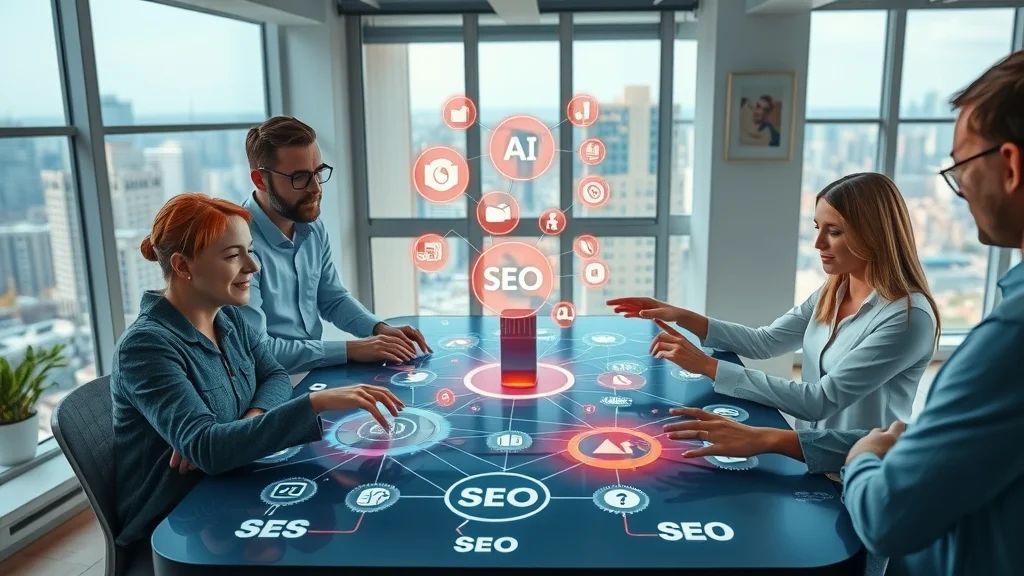
Creative digital professionals collaborating around an interactive AI and SEO mind map table, showing teamwork and ai engine integration

AI Visibility: The Hidden Force Driving Modern Success

If you think of digital marketing like a stage, AI visibility is your spotlight operator—moving and adjusting so your brand appears center focus, every single time, no matter how the audience or medium shifts. Gone are the days when search engine optimization only meant tweaking text for Google rankings. Today, your content needs to stand out in answer engines, chatbots, AI search, and on platforms using large language models. AI visibility equips your brand to appear wherever, and however, your audience is searching. Real-life B2B firms and online shops now report faster traffic growth, more accurate targeting, and higher conversions—all thanks to integrating AI models with their existing seo toolkit. Instead of playing catch-up with unpredictable algorithms, marketers leverage AI-driven insights for laser-focused positioning and a much deeper share of voice than ever before.

This isn’t just theory. By embracing ai seo, answer engines, and specialized ai search engines, brands are consistently outperforming competitors who rely solely on traditional seo. The best part? AI visibility is scalable: from solo entrepreneurs to global enterprises, anyone can tap into these tools. In less time than you think, your brand appears in ai results, backed by real-time visibility tracking and adaptable marketing strategies. AI visibility isn’t a trend—it’s the hidden force behind the web’s fastest-growing success stories.

As you explore the shift from traditional SEO to AI-driven strategies, it's crucial to recognize how building a resilient brand presence can help you stand out in an era of fragmented search and rampant misinformation. For a deeper dive into strengthening your brand’s authority and trust in this evolving landscape, check out this guide on building a strong brand in the age of fragmented search.

The Story of AI Visibility: Why It’s the New Standard

From Traditional SEO to AI Engine Dominance

Just a few years ago, digital marketing looked very different. Traditional SEO meant fighting for keywords on a search engine results page, carefully tracking your ranking week after week, hoping for that coveted top spot. But as consumers started searching with voice assistants, using chat-driven platforms, and seeking instant, direct answers, a new challenge emerged. Traditional SEO couldn’t keep up. Enter the ai engine—from Google’s advanced ranking algorithms to OpenAI’s conversational bots—bringing forth personalized, near-instant answers to user queries. Instead of optimizing for a handful of static search engines, marketers now target dozens of answer engines and AI platforms. This shift creates a massive opportunity for brands: Those who understand and prioritize AI visibility are outpacing competitors, capturing new audiences wherever digital conversations start.

What does this look like on the ground? Imagine an e-commerce manager using an ai mode dashboard to instantly spot trending products and rapidly update meta tags, product descriptions, and even image alt text for maximum visibility across both search engines and AI answer platforms. Small business owners monitor ai visibility tracking to see where their brand appears—in everything from Bing’s AI search engines to brand-new generative engine optimization tools. The takeaway? AI engines are not just another box to check; they’re re-writing digital success playbooks, and your business can lead the charge by making AI visibility a cornerstone of your marketing strategy.

The Rise of Answer Engines and ai seo Integration

Answer engines—think of ChatGPT, Google’s SGE, or even Alexa—are designed to pull the most relevant, trusted content based on AI models and language models rather than classic ranking signals alone. This is shaking up how we approach both keywords and content structure. Now, your ai seo moves beyond meta tags and backlinks, requiring an integrated strategy that’s adaptable, fast, and informed by real-time insights. With the right seo toolkit, you can optimize not only for search engines but also for emerging answer engines and conversational platforms. As a result, visibility in AI is not a future feature—it’s happening now, and it’s redefining what success looks like.

Consider a SaaS startup that adapts its website for AI visibility: content is now structured to anticipate natural language queries from answer engines, using semantically rich phrases and context-based navigation. With AI-driven analytics, they discover gaps in competitor coverage and strategically shape their messaging to claim new territory in AI answer results. AI visibility is how your brand climbs above the noise by speaking not just to people but to the ai search platforms and language models that increasingly influence buying decisions.

"AI visibility isn’t a trend. It’s the evolution your audience expects—whether they know it yet or not."

How AI Visibility Works: Real-World Examples

AI Mode in Action: Transforming Your Search Approach

Imagine you’re a marketing director for a mid-size retailer. In the past, your focus was on climbing the Google rankings. Today, you engage ai mode—a feature within your semrush ai toolkit that continuously scans performance across traditional search engines, answer engine platforms, and AI-driven assistants. Suddenly, you’re not just optimizing for search engine visibility; you’re gaining granular insights into how your pages are surfaced in AI-powered answers, voice search, and even image-based queries. You watch real-time analytics as your content is featured in AI suggestions, instant answers, and conversational snippets. Each adjustment—whether it’s a new long-tail keyword or a tweak to answer engine-optimized meta descriptions—translates to measurable gains in both traditional and AI search traffic.

For small businesses, the power of ai mode is even more transformative. A bakery, for instance, sees its “best chocolate cake” post picked up by a local AI search engine and delivered as an instant voice result to nearby users—long before it cracks the first page of Google. AI visibility isn’t just about being online; it’s about being found, wherever and however your customers are asking for you.

B2B marketing team reviewing AI-powered dashboards and analytics, collaborating for better ai visibility and search engine success

Harnessing AI Models for Personalized Outcomes

  • Example: An e-commerce brand using ai visibility to boost conversion rates. By integrating their product feed with an AI engine and enabling ai mode, this retailer automatically personalizes product recommendations and adjusts descriptions for trending terms. The result? AI answer engines spotlight their products in voice searches and shopping chatbots—bringing in high-intent buyers and slashing acquisition costs.

  • Example: B2B firm leveraging ai search to uncover new customer behaviors. Using semrush ai visibility tracking, this firm monitors which service pages are being picked up by AI-powered answer engines tailored for industry research. They rapidly adapt copy based on real user intent, turning insights into actionable improvements across their website. Revenue jumps as they become the default resource recommended by both human and algorithm-driven experts.

When you blend ai models with your core seo toolkit, the journey isn’t just about getting found—it’s about making sure every visitor finds precisely what they’re looking for. AI visibility means your brand is not only seen but also chosen, with every journey through the digital world optimized for impact.

AI Visibility vs. Traditional SEO: What You Need to Know

Comparing AI Visibility and Traditional SEO

Attribute

AI Visibility

Traditional SEO

Speed

Real-time updates across AI search engines & answer engines

Slower, batch-based updates via search engine algorithms

Scalability

Adapts instantly to new AI platforms and voice/chat search

Limited to major search engines (Google, Bing, Yahoo)

Personalization

AI models deliver custom results based on user behavior

Generic results for wide audiences

Accuracy

Optimizes for intent, context, and large language models

Focuses on fixed keywords and link structures

Tool Examples

AI engine, ai seo, answer engine, ai search, ai models

Traditional SEO plugins, manual audits, keyword trackers

Marketer comparing traditional SEO analytics with advanced AI visibility answer engine data on two screens, highlighting ai seo advantages

Unpacking the AI Visibility Toolset

The Next Generation: Seo Toolkit Powered by Semrush AI

With Semrush AI, marketers get access to a seo toolkit built for the age of AI visibility. Gone are the days of relying solely on static keyword research and backlink checkers. Semrush AI plugs directly into AI engines and answer engines, delivering instant feedback on where your content appears in AI-powered platforms, which meta data needs attention, and how to optimize for large language models. The toolkit’s advanced dashboards help you track share of voice, visibility in ai, and performance across ai search engines—all at a glance. With modular widgets, dynamic reports, and customizable workflows, even small teams deploy strategies that rival major brands, achieving consistent web growth and discoverability far beyond traditional SEO capabilities.

What truly sets semrush ai apart is its integration with major AI platforms. Users can instantly see how their site performs in chatbot queries, generative engine searches, and the latest answer engine updates. By bridging the gap between classic SEO and emerging AI-driven marketing, Semrush’s toolkit ensures you’re not only visible, but thriving front and center in every digital conversation.

Answer Engines and The Future of AI Search

As answer engines become the go-to for instant information, optimizing your content for these new AI platforms is critical. AI visibility tools guide you in structuring content for natural language, anticipating not just what users will ask—but how AI will interpret, filter, and display the results. The future of ai search is contextual, hyper-personalized, and powered by scalable language models. Brands who invest in answer engines now will capture outsized attention, moving from mere presence to clear, consistent leadership in their niche.

The biggest winners will be those who consistently adapt their optimization tool strategies for the fluid dynamics of AI platforms. By understanding how generative engine optimization works and leveraging data from visibility tracking tools, you become the answer—not just an option—whenever your audience turns to AI for help.

Smart AI Models for Advanced Marketers

Advanced marketers are harnessing ai models that analyze behavior patterns, purchase history, and real-time interactions to tailor messaging, calls to action, and even landing page layouts. Whether you work in B2B or e-commerce, these models enable unparalleled precision. Marketers using AI models see boosts in overall conversions, bounce rates, and repeat engagement. They also use visibility in ai to ensure their content stays ahead of algorithm updates, surface changes, and shifts in customer search habits.

Integrated with your existing seo toolkit, AI models can automate content brainstorming, optimize headlines for answer engine preference, and even visualize search visibility via interactive dashboards. The more you lean into smart, adaptive models, the more your share of voice expands across not just traditional search engines, but also AI-empowered digital experiences.

Marketer using a customizable AI-powered SEO dashboard filled with modular widgets and holographic assistants, illustrating semrush ai and seo toolkit power

Step-By-Step: Getting Started with AI Visibility Today

  1. Assess your current visibility: Use visibility tracking tools to map where your brand appears in both search engine and answer engine results.

  2. Explore and adapt ai engine options: Compare ai engines and platforms—choose those most relevant to your market and customers.

  3. Integrate ai seo into your routine: Optimize key content (landing pages, FAQs, product copy) so it ranks on both traditional search and ai answer platforms.

  4. Test answer engine performance: Submit questions via leading answer engines and analyze how, where, and why your content is being picked up—or not.

  5. Measure ai visibility results: Track changes in traffic, share of voice, and conversion rates using your ai-driven seo toolkit.

People Also Ask: What is AI Visibility?

Answer: AI visibility refers to your online content's ability to be recognized, ranked, and prioritized not only by human-driven search engines, but increasingly by AI-powered answer engines using ai search and ai models to surface your brand. It extends traditional seo by leveraging artificial intelligence to put your content directly in front of high-intent audiences.

People Also Ask: Why is AI so detectable?

Answer: AI is increasingly detectable because of its pattern-based, data-driven approach, which leaves 'digital fingerprints'. AI models, modes, and engines have distinct outputs that sophisticated search algorithms or answer engines can recognize, making it essential to use ai visibility strategies that harmonize human creativity with algorithmic insights.

People Also Ask: What are the 4 types of AI?

Answer: The 4 key types of AI include reactive machines, limited memory, theory of mind, and self-aware AI. Each model brings new opportunities for ai visibility: from basic automation (reactive) to advanced personalization (self-aware). Understanding these distinctions helps marketers deploy the right ai engine and ai seo methods.

People Also Ask: What is AI visualization?

Answer: AI visualization turns complex data and SEO outcomes into engaging, actionable graphics or dashboards. With ai visibility, visualization supports marketers in tracking answer engine performance, refining ai mode tactics, and optimizing all aspects of their seo toolkit.

Marketer reviewing a colorful, animated AI dashboard showing visibility metrics and user behavior graphs, showcasing ai visibility in practice

More Frequently Asked Questions About AI Visibility

  • How quickly can I see results from AI visibility? Results can be near-instant with the right ai engine and answer engine optimizations, but most brands report significant growth in visibility and engagement within the first 30-60 days of proper implementation.

  • Is AI visibility only for large businesses? Absolutely not! Brands of any size—from solopreneurs to multinational companies—can leverage ai visibility, especially as AI-powered seo toolkit platforms like semrush ai become more accessible.

  • What’s the cost difference between traditional seo and ai seo with semrush ai? While initial investment in AI-powered tools may be higher, the time savings, scalability, and improved conversion rates often result in superior ROI compared to traditional seo alone.

  • Which answer engines should I optimize for first? Start with the answer engines most relevant to your customers—Google SGE, Bing’s AI, and any niche AI search engines or platforms popular in your industry.

  • How can ai search enhance my local marketing efforts? AI search makes your brand visible in local voice searches and smart assistants, delivering location-based recommendations—often before people ever open a browser.

AI Visibility in Action: Watch and Learn

In this video, witness a real-world business leveraging ai visibility: from onboarding their team to running AI-powered SEO dashboards, you’ll see how web traffic and conversion rates skyrocket—delivered with upbeat energy and a modern, digital marketing vibe.

Getting the Most Out of AI Visibility: Actionable Story-Based Tips

  • Personalize your content with ai models. Use real-time customer data to create adaptive landing pages, FAQs, and testimonials that ai answer engines love—and your audience will remember.

  • Leverage answer engine optimization. Structure your posts to anticipate questions and provide concise, authoritative responses, making your content a top choice for answer engines.

  • Combine ai seo and ai engine for a full-funnel approach. Don’t just focus on traffic—track conversions, engagement, and retention by using your seo toolkit to tailor user journeys across both traditional and AI-powered search paths.

The Next Step: Unleash Your Growth with AI Visibility

"AI visibility is more than a tool—it’s your new marketing mindset. Early adopters have already shifted their industry standing."

You’re at a powerful crossroads: Stand still with traditional seo, or move forward with AI visibility and set the pace for your industry. Each story, tip, and example in this guide is your invitation to lead, not follow. Because as more customers turn to answer engines and ai search, visibility isn’t just an advantage—it’s your gateway to unstoppable growth. Take the leap, amplify your share of voice, and let your brand be the answer on every platform that matters.

If you’re ready to take your digital marketing to the next level, consider how AI visibility fits into the broader strategy of building a resilient, recognizable brand. The landscape is shifting rapidly, and those who master both AI-powered tactics and holistic brand-building will thrive. For a comprehensive perspective on aligning your AI efforts with long-term business growth, explore our insights on blogging as a foundation for digital authority and trust. By combining advanced AI visibility with proven content strategies, you’ll be equipped to lead in any search environment—today and tomorrow.

I hope you enjoyed reading our blog. If you would like to assistance with your marketing, give us a call at 207-710-1449 or visit our website at www.digitalmarketingall.org.

  • Semrush AI Visibility Tools

  • Moz: SEO Learning Center

  • Search Engine Land: Future of Search

  • OpenAI Blog

To enhance your understanding of AI visibility and its impact on digital marketing, consider exploring the following resources: “What is AI Visibility?” (trustpublishing.com) This article provides a comprehensive definition of AI visibility, explaining how content can be retrieved, remembered, and cited by AI systems, distinguishing it from traditional SEO practices. “AI Visibility Optimization Platform | AI Visibility” (aivisibility.io) This platform offers tools to monitor, analyze, and optimize your brand’s presence across AI platforms, ensuring your content stands out in AI-driven searches. By delving into these resources, you’ll gain valuable insights into optimizing your digital presence for AI platforms, positioning your brand effectively in the evolving landscape of AI-driven search and discovery.

AI Search

51 Views

0 Comments

Write A Comment

*
*
Related Posts All Posts
02.18.2026

The Death of Old Marketing: How to Win in the AI Era

Learn why old marketing fails in 2026 and how to optimize for AI citations and revenue over traffic.

02.13.2026

Future of Digital Marketing: AI and Local Impact

Master the shift to AI-driven marketing by embracing Generative Engine Optimization, predictive analytics, and ethical data practices to dominate local search.

02.07.2026

How to Get Found in AI: Secrets for Instant Visibility

Did you know that nearly 60% of online experiences now begin with an AI-driven result—not Google, not Bing, but ai search engines powered by advanced large language models and detailed ai overviews, reshaping how users discover content? In this new digital era, the rules have changed overnight. It’s not just about being number one in traditional search results anymore—it's about understanding how to get found in AI and being where your customers are searching with the help of AI tools and chatbots. Whether you’re a brand, a creator, or just someone hoping to raise their online presence, unlocking these AI secrets can be the difference between staying hidden and stealing the spotlight."Did you know that nearly 60% of online experiences now start with an AI-driven result, not a traditional search engine? The rules of discovery are changing—are you ready to be found?"Key Takeaways for Mastering How to Get Found in AIUnderstand how ai search and ai overviews operate differently from traditional search engines and why adapting your content strategy is essentialLearn actionable strategies for ai optimization, generative engine optimization, and comprehensive engine optimization to significantly boost your digital presence and improve your ranking on AI search platformsDiscover the power of schema markup and structured dataFind out what successful AI content strategy looks like in practiceSee examples of brands and creators who cracked the codeWhat You’ll Learn About How to Get Found in AIThe mechanics of AI search and ai overviewsHow to optimize content for generative enginesTechniques for leveraging schema markup and knowledge graphsHow traditional SEO and ai optimization intersectReal-world examples of AI visibility—what works and what doesn’tBreaking the Mold: Why 'How to Get Found in AI' Is the New Frontier of VisibilityImagine logging onto your laptop and searching for advice, products, or help—not by typing keywords into Google, but by speaking to an AI chatbot or using a smart device equipped with AI search. Already, these moments are happening millions of times every day. As AI overviews rapidly become the gateway to the digital world, the way brands and creators get discovered is being rewritten.This isn’t just another wave of SEO—it’s a total sea change. Unlike traditional search, AI search platforms don't just list links; they synthesize answers from billions of data points using large language models, offering richer, direct, and highly contextual responses. Being “visible” to AI means your content is accessible, understandable, and valuable to both humans and algorithms. The magic lies in learning how to get found in AI, so your insights, products, and stories become instant answers in this new digital dialogue. That's how digital marketing innovators claim their space—and how you can, too.The AI Search Revolution: Understanding How to Get Found in AIShifting from Traditional SEO to AI Search and Ai OverviewsThe greatest shift in digital discoverability today is the rise of ai search engines that leverage advanced AI tools, including large language models, to understand and answer user queries effectively, transforming traditional seo approaches. Instead of simply returning a long list of links, AI search engages in conversation, providing synthesized responses, highlighting specific brands or products, and offering curated overviews—all in seconds. If you want to get found in AI search, you have to understand what’s different about ai overviews and how they impact engine optimization.Traditional SEO strategies relied heavily on keyword placement, backlinks, and metadata for ranking on search engine result pages (SERPs), but now must integrate ai optimization techniques and schema markup to stay competitive in AI search results. The new AI search mode, however, focuses on parsing structured data, understanding context, and leveraging knowledge from structured and unstructured sources. This means your traditional content creation methods won’t always surface in an AI overview unless you adapt—and those who adapt fastest are seeing a surge in traffic and engagement straight from AI-generated search results.What Makes AI Overviews Different?AI overviews, powered by generative engines like OpenAI or Google's Gemini, transform how information appears to users. Instead of linking out to dozens of websites, AI search engines summarize, synthesize, and “answer” with one curated response—sometimes drawing from product information, reviews, Q&A, and even user-generated content.The critical difference? AI overviews rely on structured data, semantic relationships, and topic authority. If your content isn’t properly structured, tagged, and recognized as authoritative by these engines, you might not appear in the AI search results at all. As you can see, knowing how to get found in AI means going deeper than just keywords: it’s about becoming the trusted answer that AI chooses.The Fundamentals: How To Get Found By AI Search EnginesHow AI Search Indexes Content and Why It MattersAI-powered search engines crawl the web, parsing both the written content and the embedded data (like schema markup) to build knowledge graphs. Rather than ranking pages by keyword density alone, these engines evaluate which sources and entities are most relevant for a particular query using algorithms fine-tuned by large language models. This means that educational content, product reviews, and question-driven Q&As stand out—especially if they’re structured for AI parsing.This shift is enormous for visibility. If your pages are clear, well-structured, and packed with answers to commonly asked questions, you’ll float to the top of AI-generated search results. Leveraging schema markup, ensuring up-to-date information, and focusing on E-A-T (Expertise, Authoritativeness, Trustworthiness) are all now essential to get found in this new era of ai search.The Generative Engine: What Is Generative Engine Optimization?Generative Engine Optimization (GEO) represents the next chapter in digital discoverability and ai optimization. Rather than optimizing for static keyword rankings, GEO focuses on shaping your content, data structure, and authority so that generative engines can use your content as source material for synthesized answers, summaries, and AI overviews.For example, an AI chatbot may pull your product review directly into its answer for a comparative shopping question, or a knowledge engine might cite your how-to guide for a technical topic. To succeed with generative engine optimization, you need to combine best-in-class schema markup, maintain trustworthy and up-to-date content, and anticipate the kinds of questions that users—and AI—are likely to ask.Schema Markup: Your Passport to AI VisibilitySchema markup is the key that helps ai search engines and large language models truly “read” your content, significantly enhancing your visibility in ai overviews, generative engine results, and overall engine optimization. Adding schema.org vocabulary to your site’s code signals exactly what each section means: Are you sharing how-to content? Product information? Answers to popular questions?By implementing robust FAQ schema, Knowledge Graph entries, and other microdata, you ensure your site’s meaning is unmistakable to AI overviews and generative engines. Yet, it's easy to miss the mark—sometimes small errors or missing schema types mean your content remains invisible to these algorithms. Mastering schema markup is your direct ticket to rising above the noise and getting your content featured in AI search results.Structured data for maximal AI parsingHow to add FAQ and Knowledge Graph schemaCommon schema markup pitfallsHow to Create Content That AI LovesCrafting AI-Ready Content: Best Practices for Engaging AI OverviewsCreating AI-ready content is more than just writing well—it’s about understanding what modern ai search engines and generative engines require to effectively parse and showcase your insights, making your content strategy essential. Start with clear, concise answers to high-interest questions—the type that appears in “People Also Ask. ” Provide tables and lists for easy parsing, use descriptive headings, and employ schema markup to tell AI what each segment of your content represents.Think of each piece of content as a potential answer or snippet. Offer value first, use authoritative sources, and refresh your data regularly. For product content, include structured product information, specs, and review snippets; for ed content or tutorials, break down steps and define terms clearly. By following these best practices, you invite AI platforms to showcase your expertise front and center.As you refine your approach to AI-ready content, it's also valuable to explore how compelling link bait assets can enhance your site's authority and attract more organic attention. Discover practical ways to boost your Google ranking and customer engagement by leveraging strategic link bait assets that drive results.The Role of Content Strategy in AI OptimizationA smart content strategy focused on ai optimization and traditional seo integration is your foundation for long-term digital success and improved visibility in AI search. To succeed with AI modes and engines, design a calendar filled with question-driven content, how-tos, and evergreen resources. Map out key entities (people, brands, topics) and topics most relevant to your audience—and consistently build structured content around them.Consider building a network of related articles that link internally, forming a knowledge web that AI search can parse and reference. This holistic approach to ai optimization helps establish your site as a go-to resource for both users and AI-driven search engines. Remember, in the world of AI overviews and generative engines, consistency and clarity are as vital as creativity.Step-by-Step Guide: How to Get Found in AI with Schema Markup and Structured DataIdentify your target entities and conceptsMark up your site using schema.org vocabularyTest your markup with Google and third-party toolsAdd structured FAQs and Q&A to aid in ai overviewsMonitor your content's presence in ai-generated resultsStrategyBenefitsTools/ResourcesSchema markupEnhanced AI parsingschema.org, Google Rich ResultsAuthoritative sourcingIncreased trust in AI answersCiting scientific/law sourcesQuestion-driven contentHigher PAA visibilityAnswerThePublic, AlsoAskedThe Intersection of Traditional SEO and How to Get Found in AIKeywords, E-A-T, and the New Rules of Engine OptimizationWhile keywords remain important, ai search engines prioritize context, user experience, and E-A-T (Expertise, Authoritativeness, Trustworthiness) in their engine optimization, blending traditional seo with advanced ai optimization techniques. Place your main keyword—how to get found in AI—in strategic spots, but be natural and focus on relevance. Add author bios, citations, and factual sources to reinforce trust, and keep a close eye on emerging schema types to maximize your visibility in both AI and traditional search platforms.The best engine optimization strategy today blends old and new: keep up your SEO basics, but factor in how ai overviews and generative engines extract, condense, and display content. That’s the secret to staying visible as both search engines and AI tools shape the online experience.Aligning Your Old Content with AI Optimization TechniquesDon’t let years of work fade into digital obscurity; update your content strategy with schema markup and ai optimization techniques to maintain strong visibility in ai search, generative engine results, and overall engine optimization. Audit your website’s existing pages and start updating them with modern schema markup. Add FAQs, restructure long posts with clear headers, and fill gaps in your internal links. Small updates—like marking up reviews, questions, and how-to steps—can breathe new life into old content, ensuring it surfaces in AI search results.It’s an ongoing process: as generative engine algorithms evolve, keep refreshing and testing your content with the latest AI tools. The marriage of traditional SEO and ai optimization is what keeps your work in the spotlight, no matter the search platform.AI Search in Action: How Brands and Individuals Are Discovered NowReal Examples of How to Get Found in AI OverviewsLet’s look at a success story: a technology startup revamps its site, integrating comprehensive schema markup, especially around FAQs and product reviews. Within a month, their answers and reviews start showing up prominently in AI-generated overviews—sometimes ahead of major competitors. This dramatic increase in exposure drives up their organic traffic and generates more direct leads.Another case: an online educator uses question-driven content and marks up each tutorial with how-to and educational schema. Not only do their lessons become featured in Google’s AI search results, but their “People Also Ask” visibility skyrockets, positioning their resources as authoritative answers across countless AI tools and platforms."When we updated our schema markup to cover FAQs and product reviews, our brand appeared in more than half of relevant AI-generated answers in just one month." - Tech Startup Marketing LeadHow Generative Engines Surface Product Content and Ed ContentToday’s generative engines go beyond static links. They scan vast swathes of product information, reviews, and instructional content to compose informative, balanced overviews. For instance, a cosmetic brand with well-structured schema markup and consumer Q&A sees its product lines featured in AI chatbots’ recommendations, while a nonprofit’s step-by-step guides become default “how-to” answers for educational queries.The key? Structure, authority, and anticipating the types of questions people (and AI) are asking—plus ensuring your content is accessible and up to date. With the right approach, your products and ed content can dominate next-gen search results.Lessons from Generative Engine Optimization: Success StoriesAcross industries, early AI adopters are seeing outsized benefits. Brands that quickly shift to FAQ schema, maintain authoritative sourcing, and refresh reviews gain mention in AI chatbots and smart assistant results—and those mentions regularly translate to more traffic, leads, and conversions.The lesson? The “AI discovery” race isn’t just for big corporations. Small businesses and individual creators—armed with the right tools and strategies—are winning prime visibility daily by prioritizing how to get found in AI through structured, authentic, question-driven content.Challenges and Missteps: Pitfalls to Avoid in How to Get Found in AIOver-optimizing with keyword stuffingNeglecting structured dataFocusing solely on human readers (ignoring AI parsing)Missing out on new schema typesNumerous brands make the mistake of leaning too hard into old-school SEO without updating for AI parsing. Forgetting to refresh structured data, or relying on outdated schema markup, not only limits your AI presence—it often drops you out of the search entirely. Keep learning, stay flexible, and always connect your content to both people and algorithms.People Also Ask: The Questions Behind How to Get Found in AIHow to get found by AI?To get found by AI, focus on adding structured data and relevant schema markup to your site, optimizing for ai search and ai overviews. Build authoritative content and craft question-driven answers designed for AI search and overviews. Ensure every key section is clear, concise, and updated for the latest search engine requirements.What is the 30% rule in AI?The 30% rule in AI suggests optimizing at least 30% of your content for direct, AI-referenced queries. This ensures your site remains discoverable in context-driven AI overviews—not just in old-fashioned search listings.How to get mentioned by AI?Get mentioned by AI engines by developing authoritative, topical content, using schema markup, earning credible external links, and targeting “People Also Ask” questions relevant to your audience.How to use AI to find someone?Use AI-powered search engines and tools to aggregate public data, online profiles, and related content, making it simple to find people based on contextual clues, knowledge graphs, and content relationships.Advanced Strategies for AI Search and Engine OptimizationLeverage Generative Engines for Deeper VisibilityMove beyond basics: use generative engines to track mentions, monitor brand visibility, and proactively update content in response to AI-generated trends. Tools like GPT-powered site analyzers, semantic search engines, and answer-extraction bots can reveal exactly where your content stands—and how to adjust it for broader reach.Run targeted experiments: mark up new sections, publish interactive Q&As, and build rich media elements that AI can parse. The more ways you provide information (text, tables, video, structured snippets), the more “paths” AI has to feature your work in its responses.The Next Wave: Voice Search, Ed Content, and Contextual AIVoice assistants and smart AI tools now shape the path between questions and answers. To win in these expanding touchpoints, optimize for natural language queries, build content for common voice prompts, and mark up action items (like recipes, steps, and instructions) with specialized schema.Educational content thrives here—think tutorials, guides, and explainers structured for both AI parsing and human learning. As search platforms embrace ed content and conversational interfaces, your adaptability will be your edge in staying visible.Monitoring and Measuring Your AI Visibility SuccessTrack your reach: use analytics to monitor not just organic traffic, but specifically your mentions and citations in AI overviews, smart assistants, and generative bots. Google Search Console, advanced site audits, and AI-specific ranking trackers can reveal gaps and wins in your current strategy.Set up alerts for new schema adoption, AI algorithm updates, or shifts in prominent search engine guidelines. The more agile and data-driven you become, the faster your online presence grows across both traditional and next-gen platforms.Frequently Asked Questions About How to Get Found in AIIs traditional SEO still useful for AI search?Absolutely—traditional SEO provides a strong foundation, but must be paired with schema markup and AI optimization for top visibility in AI search.How quickly can I see results from schema markup?Schema changes can result in improved AI visibility in as little as two weeks, though full indexing may take longer depending on your site and industry.What’s the single biggest mistake people make with AI optimization?Neglecting structured data and failing to answer high-intent user questions directly, which leaves your content invisible to generative engines.Can small businesses compete in AI search?Yes—with focused schema, topical content, and consistent updates, even small brands can appear in AI overviews and PAA answers ahead of big competitors.Your Next Step: How to Get Ahead in AI Search"The future doesn’t wait. Your brand’s discoverability hinges on mastering AI search—starting today."Ready to Get Started? Try 'Get Found in AI' by Digital Marketing AllIf you’re serious about how to get found in AI and want a partner who’s already cracked the code, check out Get Found In AI from Digital Marketing All. Their step-by-step guidance demystifies the process. Start updating your site, track your mentions in AI overviews, and watch your authority take off. You have what it takes to lead in AI search—now is your moment!I hope you enjoyed reading our blog. If you would like to assistance with your marketing, give us a call at 207-710-1449 or visit our website at www.digitalmarketingall.org.As AI continues to reshape the digital landscape, staying ahead means understanding not just the technical side of optimization, but also the broader impact on your business and marketing strategy. For a deeper dive into how AI trends are influencing small businesses and what you need to prepare for in the coming year, explore our comprehensive analysis in AI and Effects on Marketing for Small Business News June 2025: What You Must Know Now. This resource unpacks the latest developments, actionable insights, and future-proof tactics to help you thrive in an AI-driven world. Take the next step and empower your brand with knowledge that goes beyond visibility—position yourself for long-term success as AI transforms the way customers discover and engage with your business.SourcesGoogle Structured Data IntroductionSchema.org OfficialGoogle’s AI Overviews Explained – Search Engine LandHow AI Search Changes SEO – Moz BlogGet Found In AI – Digital Marketing AllTo enhance your understanding of optimizing visibility in AI-driven search platforms, consider exploring the following resources: “10 Ways to Show Up in AI Search”: This article provides actionable strategies for improving your presence in AI search results, emphasizing the importance of engaging with local audiences on social media and building local authority through press and community involvement. (soci. ai) “How to Get Found by ChatGPT | AI Visibility Guide 2025”: This guide outlines a five-step process to enhance your visibility in AI platforms like ChatGPT, including testing your current visibility and implementing structured data to improve discoverability. (surmado. com) By delving into these resources, you’ll gain practical insights and strategies to ensure your content is effectively recognized and featured by AI search engines.

Terms of Service

Privacy Policy

Core Modal Title

Sorry, no results found

You Might Find These Articles Interesting

T
Please Check Your Email
We Will Be Following Up Shortly
*
*
*