



Add Row
Add Element
Digital Marketing All
update

cropper
update
Add Element
  • Facebook icon
    update
  • update
  • update
  • Linkedin Icon
    update
  • update
  • YouTube Icon
    update
  • Instagram Icon
    update
  • Home
  • Categories
    • Advertising
    • AI
    • AI Agents
    • AI Search
    • Answer Engine Optimization
    • Backlinks
    • Backlinks
    • Black Friday Tips
    • Blog
    • Brand Loyalty
    • Brand strategy
    • Brand voice
    • Business
    • Chat bots
    • Company Reviews
    • Content
    • Customer Journey
    • Customer Retention
    • Domain Authority
    • Dominating Local Market
    • E-Commerce
    • Email Marketing
    • Email Marketing
    • Email Strategies
    • event marketing
    • FaceBook
    • GBP
    • Google
    • Google
    • Google Ads
    • Google Map Pack
    • Influencers
    • Instagram
    • Keywords
    • Keywords
    • Landing Pages
    • Lead Generation
    • LinkedIn
    • Local Marketing
    • Marketing
    • Marketing Strategy
    • Marketing Tools
    • Online Directories
    • Online Directories
    • Paid Ads
    • Podcast
    • PPC
    • Reddit
    • Referrals
    • Reputation
    • Reviews
    • Sales Funnel
    • Sales Strategy
    • Search Box Optimization
    • Search Engines
    • Search Price Optimization
    • semantic search
    • SEO
    • Social Media
    • Social Media Strategy
    • Selling Tips
    • SMS Marketing
    • SEO Strategy
    • storytelling content
    • Tik Tok
    • Traffic
    • Video
    • Video Blogging
    • Video Content
    • Voice Search
    • Website
    • Webinar
    • YouTube
    • Zero Click
    • Quora
  • Life Advantage Series
  • Featured Clients
  • What's In Mass
  • Latest News
  • Business Mastery
  • All Posts
  • AI
  • Brand voice
  • Brand strategy
  • Company Reviews
  • Reviews
  • Reputation
  • Marketing
  • Social Media
  • Content
  • Blog
  • Video Blogging
  • Online Directories
  • Marketing Strategy
  • Website
  • SEO
  • Traffic
  • Lead Generation
  • Sales Funnel
  • Email Marketing
  • Advertising
  • Marketing Tools
  • Business
  • E-Commerce
  • Email Strategies
  • PPC
  • Keywords
  • GBP
  • Landing Pages
  • Black Friday Tips
  • Search Engines
  • Backlinks
  • Dominating Local Market
  • SEO Strategy
  • Keywords
  • YouTube
  • Online Directories
  • Google
  • FaceBook
  • SMS Marketing
  • Email Marketing
  • Referrals
  • Selling Tips
  • Sales Strategy
  • Customer Retention
  • Tik Tok
  • Reddit
  • Instagram
  • Google
  • Chat bots
  • Video
  • Social Media Strategy
  • LinkedIn
  • Influencers
  • Brand Loyalty
  • Paid Ads
  • Customer Journey
  • Zero Click
  • Answer Engine Optimization
  • Webinar
  • Local Marketing
  • AI Search
  • Voice Search
  • Search Box Optimization
  • Search Price Optimization
  • Google Map Pack
  • Domain Authority
  • semantic search
  • event marketing
  • Podcast
  • Featured Clients
  • Google Ads
  • Backlinks
  • Video Content
  • storytelling content
  • Life Advantage Series
  • Latest News
  • AI Agents
  • Business Mastery
  • Quora
11 Minutes Read

Unlock Your Marketing Superpowers: How AI is Reshaping Your Business Future!

Ever wonder if there's a secret weapon that could make your marketing efforts effortlessly powerful, connecting you with customers in ways you've only dreamed of? Forget slow, guesswork marketing. We're on the cusp of a revolution, and it's called Artificial Intelligence (AI). Imagine a world where your business knows exactly what your customers want, creates amazing content almost instantly, and finds new buyers with pinpoint accuracy. This isn't science fiction; it's happening right now, and it's ready to transform your business from the ground up. Get ready to discover how AI can help you say "YES" to bigger sales, happier customers, and undeniable growth!


Key Takeaways

  • Personalized Experiences Drive Sales: AI helps you treat every customer like an individual, showing them exactly what they want, leading to more "yeses" and higher sales.

  • AI Creates Content for You: No more struggling to write! AI can write blog posts, social media updates, and even video scripts, saving you time and effort.

  • Smarter Decisions with Data: AI digs through tons of information to show you what's working (and what's not), so you can make smart choices that boost your business.

  • Find Your Perfect Customers: AI pinpoints your ideal customers, making your ads super effective and saving you money.

  • 24/7 Customer Help: AI chatbots can answer customer questions around the clock, making customers happy and freeing up your team.

  • Predict the Future: AI can help you see what customers will want next, giving you a huge leg up on your competition.

  • Ethical AI Matters: Using AI responsibly, respecting privacy, and avoiding bias are key to long-term success.
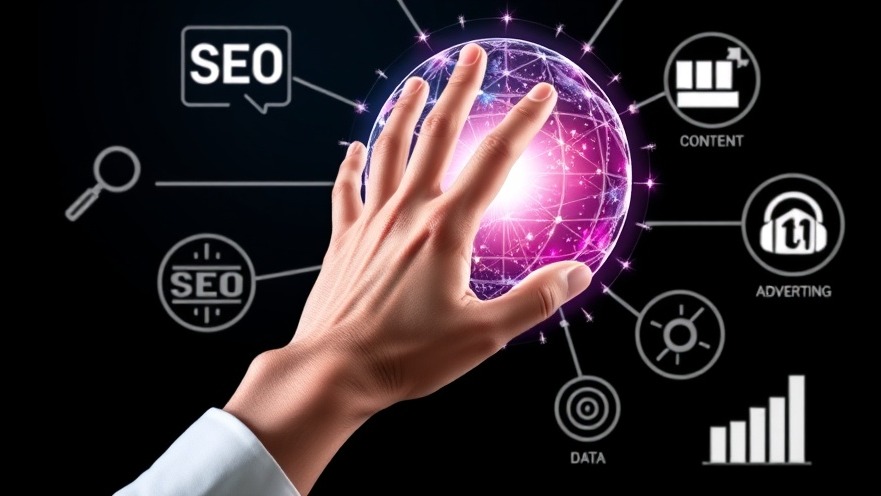

A business owner engaging with a bright, abstract AI interface surrounded by marketing icons.

The AI Advantage: Your Secret Weapon for Marketing Success

Think of Artificial Intelligence (AI) as a super-smart assistant for your business. It's not a robot taking over your job; it's a powerful set of tools that helps you do your job better and faster. In marketing, AI is like having a crystal ball, a tireless content creator, and a precise targeting expert all rolled into one. It's changing the game, making it easier than ever for businesses like yours to connect with customers and thrive.


Personalized Customer Experiences: Making Every Customer Feel Special

Do you ever get annoyed when you see ads for things you just don't care about? You're not alone! People want to feel understood. This is where AI shines with personalized customer experiences.

Imagine you walk into your favorite local bakery. The owner remembers your name, knows you love their sourdough bread, and tells you they just baked a fresh batch. That's a personalized experience! AI does this on a much bigger scale online.

  • What it means: AI looks at what each customer likes, what they've bought before, and how they act online. Then, it uses this information to show them things they'll actually be interested in. Think of it like a smart recommendation system.

  • Example: Let's say you run an online shoe store. Without AI, everyone sees the same new arrivals. But with AI, a customer who usually buys running shoes might see a special offer on the latest running shoe model, while someone who loves boots sees new winter boots. This makes them more likely to say, "Yes, I need that!"

  • Statistic: Companies that personalize their marketing see, on average, a 20% increase in sales conversions. That means more people are buying!


Automated Content Creation: Your Brainy Word Wizard

Creating blog posts, social media updates, and video scripts can take a lot of time and effort. What if you had a tool that could help you write them, leaving you more time to focus on the big ideas?

  • What it means: Automated content creation uses AI tools to help write engaging material for your marketing. It can generate ideas, write drafts, and even suggest improvements.

  • Example: Imagine you own a small dog grooming business. Instead of spending hours thinking up social media posts, you could use an AI tool to quickly generate ideas like "5 Tips for a Shiny Coat" or "Why Regular Grooming Matters." You still put your unique touch on it, but the heavy lifting is done for you.

  • Benefit: This frees up your time to focus on more important things, like planning special events or finding new ways to serve your furry clients.


Data-Driven Insights: Becoming a Marketing Detective

Running a business means making a lot of decisions. Are your ads working? Are customers happy? AI helps you answer these questions with hard facts, not just guesses. This is called data-driven insights.

  • What it means: AI can look at vast amounts of information – like who clicks on your ads, what products are popular, or where customers are getting stuck – and find patterns you might never see on your own. It gives you a clear picture of what's happening.

  • Example: A local restaurant might use AI to see that most of their online orders come in between 6 PM and 8 PM on weekdays, and that customers often order their famous pasta dish. This insight helps them decide to run a special on pasta during those hours, knowing it will be a hit.

  • Statistic: Businesses using AI for data analysis report a 30% improvement in decision-making accuracy. No more flying blind!


AI-Powered Marketing Strategies: Supercharge Your Efforts

Now that you know what AI can do, let's look at how you can use it to build powerful marketing strategies.


Hyper-Targeted Advertising: Finding Your Needle in the Haystack

Traditional advertising can feel like shouting into a crowd, hoping someone hears you. Hyper-targeted advertising with AI is like whispering directly into the ear of the exact person who wants what you offer.

  • What it means: AI algorithms are incredibly good at finding very specific groups of people based on what they like, where they live, what they've searched for, and even what they've bought in the past. This means your ads are seen by the people most likely to become customers.

  • Example: If you sell handmade pottery, AI can help you show your ads only to people who have recently searched for "unique home decor" or "artisan crafts" and live within 20 miles of your shop. This saves you money by not showing your ads to people who aren't interested.

  • Benefit: This approach leads to a much higher Return on Investment (ROI) – meaning you get more sales for every dollar you spend on advertising.


AI-Assisted Customer Service: Your 24/7 Helpful Hand

Customers expect quick answers. But what if your business is closed? Or your team is busy? AI chatbots and virtual assistants can step in to help.

  • What it means: These are computer programs that can understand and respond to customer questions, often in a very human-like way. They can provide instant support, answer common questions, and even guide customers through a purchase.

  • Example: A travel agency could use an AI chatbot on their website to answer questions like "What are the visa requirements for France?" or "How do I change my booking?" This means customers get help instantly, even in the middle of the night, without waiting for a human agent.

  • Statistic: Businesses using AI chatbots have seen a 50% reduction in customer service response times. Happy customers, happy business!


Predictive Analytics for Brand Growth: Seeing Around Corners

Wouldn't it be amazing if you could predict what your customers will want before they even know it? Predictive analytics makes this possible.

  • What it means: AI analyzes past data to forecast future trends. It can predict which products will be popular, when customers might leave, or what marketing campaigns will work best.

  • Example: A local bookstore might use AI to predict that a certain genre of books (like sci-fi thrillers) will become super popular in the next few months. This allows them to stock up on those books, run special promotions, and be the first to meet customer demand.

  • Benefit: By understanding future needs, you can stay ahead of the competition and constantly adapt your strategies for better brand growth.


See How Digital Marketing All Can Drive More Traffic to Your Website

  • Brand Voice Strategy – Let our team help you create your brand voice to attract your ideal customer.

  • Market Growth Opp Research – Let our team show you where you can gain additional traffic that you are missing.

  • Local SEO - unlock more SEO traffic. See real results. Dominate your local market.

  • Dominate Google – Let us get your company to the top of Google.

  • Competitive Link Analysis – Know what your competitors are doing.

  • Geo-Targeting – Let us find your customers in your desired location.

  • Content Marketing - Our team creates epic content to be shared, generate links, and attract traffic. We know the secret recipe for success.

  • Paid Media Advertising - effective paid strategies with clear ROI. You pay per result with us.

  • Blogging Services – Let us create a blog that will help you rank.

  • Search Box Optimization—Owning a keyword in your local area is the best way to dominate your local market.

  • Search Price Optimization – Not only can you own the keyword in your local area and nationally, but you can control your advertising cost by getting out of the price war that exists in pay-per-click advertising and achieve a higher ROI.

  • Marketing Consulting: Develop tailored strategies to grow your brand and maximize impact.

Book a Call


Real-World Success Stories: Proof That AI Works!

Stories bring concepts to life. Let's look at how real businesses have used AI to achieve amazing results.

  • Fashion Retailer's Sales Surge: A popular online fashion store, "TrendSetter Boutique," was struggling with customers Browse but not buying. They implemented an AI-powered recommendation engine. This engine started showing customers outfits and accessories based on their past Browse and purchase history. For example, if someone bought a blue dress, the AI might suggest a matching handbag or shoes. The result? TrendSetter Boutique saw their sales conversion rates jump by an incredible 20%! Customers felt like the store truly understood their style.

  • Travel Agency's Instant Answers: "Wanderlust Adventures," a busy travel agency, was getting overwhelmed with customer questions about destinations, flights, and bookings. They brought in an AI chatbot. This chatbot could instantly answer common questions like "Do I need a visa for Japan?" or "What's the baggage allowance for this airline?" This freed up their human agents to handle more complex issues. Wanderlust Adventures reduced their customer response times by 50%, leading to happier customers and more efficient operations.

  • Tech Company's Email Magic: "Innovate Solutions," a growing tech company, wanted to make their email marketing more effective. They used AI for personalized email campaigns. Instead of sending the same newsletter to everyone, the AI crafted different email content for different customer groups, recommending specific software features or webinars based on their previous interactions. This smart approach led to a 30% increase in both email open rates and click-through rates! Their audience felt like each email was written just for them.


"The future of marketing is not about just reaching people, it's about understanding them, connecting with them, and inspiring them to take action. AI is the key to unlocking that future."

– Sarah Chen, Marketing Innovator


Ethical Considerations and the Future of AI in Branding


While AI offers incredible opportunities, it's also important to think about using it responsibly.


Data Privacy and Transparency: Playing Fair with Information

  • What it means: When AI uses customer information, it's vital to be clear about what data is being collected and how it's being used. Customers should always give their permission (consent), and their privacy must be protected.

  • Why it matters: Building trust with your customers is paramount. If they feel their data isn't safe or is being used without their knowledge, they will quickly lose confidence in your brand.


AI Bias and Fairness: Ensuring Everyone is Included

  • What it means: AI learns from the data it's given. If that data isn't diverse or has hidden unfairness, the AI could make biased decisions. For example, an AI designed to show job ads might accidentally show them more to one gender or race if it wasn't trained on balanced data.

  • Why it matters: Marketing should be fair and inclusive for everyone. Businesses need to check their AI systems to make sure they are not unintentionally leaving anyone out or promoting unfair treatment.


The Future of AI in Branding: What's Next?

The world of AI is moving fast! Here's a peek at what's coming:

  • AI-Generated Content: Imagine AI creating entire video ads or social media campaigns from just a few ideas. This is becoming more and more sophisticated.

  • Voice-Activated Marketing: With smart speakers and voice assistants becoming common, businesses will need to think about how people find them through voice commands ("Alexa, find me the best pizza near me!").

  • AI-Driven Brand Storytelling: AI could help brands create immersive, personalized stories that adapt to each individual customer, making them feel even more connected to a brand.


Frequently Asked Questions about AI in Marketing


What exactly is AI in marketing, and how can it help my business? AI in marketing uses smart computer programs to help businesses understand customers better, create content faster, and make smarter decisions. Think of it like having a super-efficient assistant that can analyze huge amounts of information, personalize messages for each person, and even help answer customer questions, all to help your business grow and make more sales.

Will AI replace human marketers or take my job? No, AI is not here to replace human marketers! Instead, think of AI as a powerful tool that makes marketers even better at their jobs. AI handles the repetitive and data-heavy tasks, freeing up human marketers to focus on creative thinking, strategic planning, building relationships, and adding that special human touch that AI can't replicate. It's about working smarter, not being replaced.

How does AI help my ads reach the right people without wasting money? AI uses something called "hyper-targeting." It's like having a special map that shows you exactly where your perfect customers are. AI looks at what people like, what they've bought before, and what they're interested in, then shows your ads only to those specific groups. This means your advertising money goes much further because you're showing your products or services to people who are genuinely likely to buy them, instead of just anyone.

Is it safe to use customer data with AI, and what about privacy? Yes, it can be safe, but it's super important to be careful and responsible! Using AI means handling customer information, so businesses must follow strict rules about data privacy and always get customer permission. The goal is to be completely open and honest about how data is used. Building trust with your customers is key, so ethical data handling is a top priority to ensure their privacy is respected.

What are some simple ways a small business can start using AI in marketing right now? Even small businesses can jump into AI! You could start by using AI-powered tools for:

  1. Email Personalization: Many email services now offer AI features to help send more relevant emails to different customers.

  2. Social Media Content Ideas: Use AI writing tools to brainstorm quick ideas for your social media posts or even help write captions.

  3. Basic Chatbots: Set up a simple AI chatbot on your website to answer common customer questions, like your hours or how to book an appointment, even when you're not there. These small steps can make a big difference!

Take Action: Your Launchpad to Marketing Greatness!

We've explored how Artificial Intelligence is not just a buzzword, but a powerful engine that can transform your marketing efforts, connect you deeply with your audience, and drive undeniable growth. From crafting personalized messages that resonate with individual customers to generating engaging content effortlessly and predicting future trends, AI is your ultimate partner in success. It’s about more than just understanding how AI works; it's about seeing the incredible possibilities it unlocks for your business. The opportunity to revolutionize your brand, engage your customers on a deeper level, and achieve unparalleled success is right here, right now.

I hope you enjoy reading this blog post. If you want to be our next success story, have my team at Digital Marketing All do your marketing. Click here to book a call!


Content AI

51 Views

0 Comments

Write A Comment

*
*
Related Posts All Posts
12.30.2025

Unlock Your Brand’s Soul: How to Make AI Speak Your Language and Stop Sounding Like a Robot

Learn to create AI prompts that capture your unique brand voice, drive engagement, and rank high on Google AI engines.

12.20.2025

Why Your Next AI Ad Could Get You Sued: The Truth About New York’s New Law

Learn how New York’s new AI disclosure law impacts your ads and how to stay compliant while dominating search results.

12.08.2025

Struggling with content marketing? Here's the Fix Today

Did you know that 93% of top-performing businesses credit content marketing as a critical driver of growth—yet less than 40% have a documented strategy? If you’ve ever felt overwhelmed, stuck, or skeptical of whether your content will actually make a difference, you’re not alone. Many brands pour energy into blog posts, social media, and email marketing, only to be met with lackluster engagement and unclear ROI. But here’s the twist—this challenge isn’t a sign to give up; it’s a chance to rethink. Today, we’ll pull back the curtain on what actually works in content marketing, breaking down frameworks, sharing vivid real-world stories, and giving you practical steps to finally make your brand stand out.Key Takeaways: What You'll Learn About Content MarketingThe fundamentals of content marketing demystifiedProven frameworks and techniques used by leading content marketersApplication-ready content strategy examples and templatesMistakes to avoid for rapid brand awareness and engagementHow to create, distribute, and measure effective blog post, white paper, and video contentStrategies to amplify your marketing strategy with real industry success storiesUnlocking the Power of Content Marketing: A Surprising Truth"93% of top-performing businesses credit content marketing as a critical driver of growth—yet less than 40% have a documented strategy."Many businesses invest in content marketing hoping for a surge in brand awareness, leads, and revenue. Yet, most struggle because they treat content as a checkbox, not a well-planned system. Content marketing isn’t about producing more—it’s about delivering value, consistently and strategically.For example, imagine two companies. The first posts randomly—some blog posts here, a social media graphic there. Results are disappointing and unpredictable. The second, however, has a content marketing strategy: they map their blog posts and white papers to common pain points, repurpose video content for social media, and analyze what engages their audience. In less than a year, they earn loyal fans, expand brand awareness, and outpace competitors. That’s the power of a proper content marketing approach: less guesswork, more results.When you unlock content marketing’s potential with frameworks like the 5 C’s, the 70-20-10 rule, and insight-driven content creation, you lay the groundwork for long-term growth. Content marketers who adopt these methods become trusted voices—thought leaders who drive business and make a measurable impact.As you refine your approach to content marketing, it’s also worth exploring how top marketers transform fleeting social media posts into lasting brand assets. By understanding the strategies behind sustained engagement, you can amplify the impact of your own content across platforms. For a deeper dive into these tactics, check out how leading brands turn social media moments into long-term success.What is Content Marketing? Defining the PracticeA Storytelling Approach: Understanding Content MarketingAt its core, content marketing is the art and science of creating, curating, and distributing valuable, relevant media content to attract, educate, and retain your audience. Unlike traditional marketing, which often interrupts, content marketing invites—with storytelling at its heart.Think of it as building a relationship with your audience. Each blog post, white paper, or video content piece is less about a direct sales pitch and more about solving a pain point, answering a question, or inspiring a new idea. For example, a thought leader in digital marketing might publish regular blog posts that break down new trends, industry changes, or innovative strategies—not to sell directly, but to earn trust and loyalty.This storytelling approach creates an ongoing dialogue between your brand and your audience. Over time, brands that consistently provide quality content become go-to resources—the voices people trust when they’re ready to buy or share.Content Marketing Versus Traditional Marketing StrategiesTraditional marketing strategies often rely heavily on direct advertising methods: TV/radio spots, print ads, billboards, and pop-ups. These tend to push a product or service directly, hoping to drive sales through attention and repetition. While effective for quick bursts, traditional marketing doesn’t always foster deep engagement.Content marketing, on the other hand, is inbound. Instead of chasing customers, you attract and retain them with valuable content in the form of blog posts, social media content, white papers, and more. Audiences engage with and seek out brands offering meaningful insights and solutions. Just look at how brands leverage social media posts and blog content to teach, entertain, and encourage dialogue.This shift is why so many marketing strategies now center around media content and ongoing digital engagement—not just fleeting impressions, but sustained relationships.The Foundation: The 5 C's and 3 C's of Content MarketingExploring the 5 C's of Content MarketingClarityConsistencyCreativityCustomer FocusConversionThe 5 C’s of content marketing create a foundation for any successful strategy. Clarity is about delivering a focused message—audiences should instantly grasp what you offer and why it matters. Consistency ensures your brand’s story is uniform across blog posts, social media, and white papers; when messaging shifts, confusion (and loss of trust) follows. Creativity breathes life into your content, making your approach, brand voice, and media content stand out in a crowded landscape.Customer Focus is crucial: high-performing content marketers address specific pain points and answer real questions. Finally, Conversion links your efforts to concrete outcomes—each piece of content should ultimately nudge readers toward a desired action, whether downloading a white paper, subscribing to a blog, or sharing your social media post.Comparing: The 3 C's of Content MarketingContentContextCommunicationIn parallel, some content marketers prefer the simplicity of the 3 C’s framework: Content, Context, and Communication. Content is what you create: articles, blog posts, media content, and videos. Context means delivering the right message, at the right time, through the right format—tailoring blog posts to audience stages, for example. Communication is your ongoing, two-way dialogue with your community, built on trust and authenticity.A great example is a brand launching a new product: they publish blog posts educating their audience, share social media posts highlighting user feedback, and send email marketing updates—each message timed and tailored for maximum relevance. The blend of the 5 C’s and 3 C’s turns disjointed campaigns into cohesive marketing strategies that resonate.The 70-20-10 Rule in Content Marketing ExplainedTypeDescriptionProportionCore ContentEvergreen, consistent messaging70%Experimental ContentNew approaches, audience engagement20%Promotional ContentBrand-focused, offers10%The 70-20-10 rule is a simple, actionable model for structuring your content marketing efforts. 70% of your content should be core, evergreen material: these are authoritative blog posts, how-to guides, or cornerstone white papers that consistently drive organic search engine traffic. 20% is for experimenting—think of innovative media content or new blog post formats that invite engagement. The final 10% goes to direct promotion, like exclusive social media posts or email blasts focused on your brand or offers.This balance keeps your marketing strategy both stable and dynamic. Blog posts provide long-term traffic; creative video content piques curiosity and encourages shares; while focused promotional pushes turn engaged users into leads and customers.Building Your Content Marketing Strategy Step-by-StepContent Creation: Foundation of Every Successful Content Marketing StrategyContent creation is where your marketing strategy becomes reality. This isn’t just about writing a blog post or filming a quick video. It’s about identifying the unique voice and expertise your brand offers—and sharing it in ways that truly help your audience. Great content marketers start by uncovering pain points and common questions within their industry, then create material (blog posts, videos, white papers) that addresses those directly.Take, for example, an e-commerce brand creating content not only about their products but about challenges their customers face. This could mean developing a video series answering FAQs, writing a white paper comparing products, or launching a blog with user-generated stories. The goal is always to maintain quality content that builds trust and authority while laying a foundation for SEO and social media success.Identifying Your Audience and Pinpointing Their NeedsEffective content marketing starts with a clear picture of who you’re speaking to. Identifying your audience involves researching demographics, interests, pain points, and buying habits. Leading brands develop detailed audience personas and use analytics to refine these insights.For instance, a SaaS company may discover through feedback and analytics that its users are confused about integrations. By tailoring blog posts, white papers, and video content around these topics, they become an essential resource. Top content marketers constantly align content creation with what the audience actually needs, versus what the company wants to say, ensuring every media content investment is purpose-driven.Mapping Your Content Strategy to the Buyer's JourneyTo maximize impact, match each piece of content to where your prospect is on the buyer’s journey. In the awareness stage, blog posts and social media content highlight challenges and introduce solutions. As the prospect moves to the consideration stage, white papers offer deep dives, while video content provides product demonstrations or testimonials. For the decision stage, offer case studies, comparisons, or exclusive social media posts prompting action.Imagine a customer discovering your brand on Instagram, following a link to a topical blog post, downloading a white paper for more details, and finally requesting a demo after reading a case study. Each piece is strategically placed, fostering engagement and, ultimately, conversion.Selecting Formats: Blog Posts, White Papers, Video Content, and MoreBlog Post Best Practices and High-Performing ExamplesThe blog post remains one of the most versatile content marketing assets. Start with an attention-grabbing headline, use clear subheadings, and incorporate SEO-friendly keywords naturally. Effective blog posts aren’t just informative—they’re actionable. Always end with a call-to-action, invite feedback, and provide internal links for further reading.Consider HubSpot’s blog: every post breaks down complex marketing strategies into plain language, uses engaging visuals, and ends with helpful resources. For your brand, analyze what blog posts drive the most traffic and shares, then double down on those topics and formats. Repurpose blog content into social media posts, infographics, or even short explanatory videos to maximize reach.Creating Compelling White Papers for Lead GenerationWhite papers are content marketing’s heavy hitters: data-driven, thoroughly researched, and designed to position your brand as a thought leader. They work best for B2B brands or when educating audiences on complex buying decisions. Strong white papers are visually engaging, concise yet comprehensive, and packed with actionable insights.For example, Salesforce regularly publishes white papers comparing CRM best practices, spotlighting industry surveys, and offering unique frameworks. Gating white papers behind lead capture forms is a proven method for generating high-quality leads—just be sure your content delivers on expectations, or you’ll lose trust fast.Engaging Audiences With Video Content and Social Media ContentVideo content is exploding in popularity—not just because it’s visually engaging, but because it’s highly shareable on social media. Quick explainers, behind-the-scenes tours, and animated infographics all help demystify complex topics, making information more accessible. Brands are now launching YouTube channels, Instagram Reels, and TikTok campaigns to tell their stories in new ways.Social media content should be optimized for the platform—snappy for TikTok, visual for Instagram, conversational for Twitter. Always encourage interaction: questions, polls, live videos, and user-generated campaigns drive brand awareness and foster a sense of community.Repurposing Media Content Across PlatformsOne trait of successful content marketers is their ability to repurpose media content. A single white paper can fuel a dozen blog posts, infographics, or clips for social media marketing. Recording a podcast? Turn key insights into quote graphics or LinkedIn articles. Top performers extract the maximum value from every idea, ensuring their marketing strategy is both efficient and omnipresent.This approach not only saves time but also enforces consistency and clarity—the hallmarks of effective content marketing. It’s how small teams punch above their weight and maintain a steady brand presence.Amplifying Content Marketing with Social Media Marketing and Email MarketingLeveraging Social Media Posts for Brand AwarenessSocial media marketing is, for many brands, the fastest track to brand awareness. A well-timed social media post can reach thousands—even millions—far beyond your current audience. Consistent posting, interactive features (like stories and polls), and real-time engagement build recognition and trust.Look at Wendy’s or Duolingo on Twitter: their witty, proactive social media content has made them internet icons. But it’s not about being everywhere; it’s about being where your audience is and providing real value. Share your blog posts, short video content, and user stories to amplify your marketing strategy.Driving Traffic with Media Marketing—Successful Industry ExamplesMultiple brands have transformed dull outreach into booming web visits through media marketing. Take Glossier, whose blog “Into The Gloss” combined beauty content, user testimonials, and product stories to build a cult-like audience—before the products even hit shelves. Or Buffer, which used transparent, data-rich blog posts and in-depth case studies to grow their SaaS brand with minimal ad spend.Successful content marketers know the secret isn’t just producing media content, but distributing it strategically—leveraging partnerships, influencer posts, and email marketing campaigns to ensure their message reaches the right eyes.Nurturing Leads with Email Marketing and Automated MessagingEmail marketing is far from outdated—in fact, it’s one of the best tools to turn prospects into loyal customers. Automated welcome sequences, regular newsletters, and tailored lead-nurturing workflows keep your brand top-of-mind while building relationships.For instance, an e-learning brand might automate a weekly tips newsletter, send exclusive white papers to engaged segments, and invite blog post feedback via surveys. Each touchpoint is a chance to reinforce value and encourage the next conversion.Measuring and Refining Your Content Marketing StrategyKey Metrics for Evaluating Content Marketing PerformanceTraffic and engagement dataConversion ratesLead volume and qualityBrand awareness growth metricsHow do you know your efforts are working? Top content marketers rely on a blend of metrics—website traffic, social media shares, time-on-page, and email open rates paint a picture of overall engagement. Conversion rates (for blog post CTAs, white paper downloads, video signups) connect effort to outcome. Lead volume and quality are key gauges of whether your strategy is truly attracting and retaining the right audience. Finally, track changes in brand awareness through mentions, branded search volume, and share of voice.Regularly reviewing this data sharpens your marketing strategy—revealing which blog posts perform, which social media content resonates, and where to repurpose or revisit your media content investments.Iterating for Success: Lessons from High-Performing Content MarketersContent marketing isn’t a one-and-done effort—it’s an ongoing experiment. Brands like Moz and Canva iterate constantly: they update old blog posts, test new content types, and refresh landing pages based on what the data tells them. High-performing content marketers treat marketing strategy as a living process, always learning from what works (and what doesn’t).For example, after a drop in engagement, Canva analyzed which media content underperformed, repurposed popular social media content into new formats, and doubled down on interactive blog posts. The result? A dramatic upswing in both traffic and conversions.Real-World Applications: Content Marketing Success StoriesHow a Brand Leveraged Content Marketing to Double RevenueLet’s zoom in on a real transformation: A mid-sized technology company struggling to gain traction in a saturated market. They invested in a comprehensive content marketing strategy—launching weekly blog posts, insightful white papers, and an engaging video series targeting their ideal customer’s biggest challenges.By promoting this media content across social media marketing and nurturing leads through email marketing, the brand saw a 2x jump in inbound leads within 12 months. Their reputation shifted; industry blogs began featuring them as thought leaders. Most importantly, conversion rates soared, pushing revenue to double year-over-year. It’s not a magic bullet—it’s a commitment to quality content, managed with intent.From Start-up to Industry Leader: A Social Media Content Case StudyA local fitness start-up knew they couldn’t outspend established gyms, but they could outshare. They created weekly video content packed with motivating stories from real clients, filmed behind-the-scenes workouts, and published energizing social media content that celebrated small wins.Their social media marketing quickly went viral within the community. Local news, influencers, and industry sites picked up their stories, multiplying reach. Two years later, their brand awareness dominated the region—not because they shouted the loudest, but because they shared the most relatable, high-quality content. This approach built an emotional connection that grew membership, revenue, and reputation all at once.People Also Ask: Frequently Asked Questions on Content MarketingWhat is content marketing?Content marketing is the strategic creation and sharing of valuable, relevant media content (including blog posts, white papers, social media content, and more) to attract, educate, and retain your target audience, driving brand awareness and business growth.What are the 5 C's of content marketing?The 5 C's of content marketing are Clarity, Consistency, Creativity, Customer Focus, and Conversion. These pillars help content marketers build more focused and effective marketing strategies.What are the 3 C's of content marketing?The 3 C's of content marketing are Content, Context, and Communication. Integrating these ensures your media marketing strategy resonates with audiences and achieves organizational goals.What is the 70 20 10 rule in content marketing?The 70-20-10 rule in content marketing suggests that 70% of content should be foundational, 20% innovative, and 10% promotional, ensuring variety and sustained engagement.Your Next Step: Activate Your Content Marketing Success"Great content marketing doesn't just inform—it inspires and drives audiences to action."Ready to see real results? I hope you enjoyed reading our blog. If you would like assistance with your marketing, give us a call at 207-710-1449 or visit our website at www.digitalmarketingall.org.If you’re eager to take your content marketing to the next level, consider how advanced digital strategies can further accelerate your growth. Leveraging tools like predictive analytics can help you anticipate audience needs, personalize your messaging, and boost sales with data-driven precision. To discover how these innovative techniques can transform your marketing outcomes, explore our guide on unlocking the power of predictive analytics in digital marketing. Embracing these insights will empower you to stay ahead of the curve and achieve measurable, lasting results.To deepen your understanding of content marketing and its strategic implementation, consider exploring the following resources: “Content Marketing: The Ultimate Guide” (forbes.com) This comprehensive guide delves into the fundamentals of content marketing, offering insights into various channels such as social media, blogs, and videos. It emphasizes the importance of building brand trust and engagement through valuable content. “What Is Content Marketing?” (salesforce.com) This resource provides a clear definition of content marketing, highlighting its role in creating and sharing relevant content to attract and build trust with target audiences. It also discusses the distinction between content marketing and content promotion. By exploring these resources, you’ll gain a deeper understanding of content marketing strategies and how to effectively implement them to enhance your brand’s presence and engagement.

Terms of Service

Privacy Policy

Core Modal Title

Sorry, no results found

You Might Find These Articles Interesting

T
Please Check Your Email
We Will Be Following Up Shortly
*
*
*