



Add Row
Add Element
Digital Marketing All
update

cropper
update
Add Element
  • Facebook icon
    update
  • update
  • update
  • Linkedin Icon
    update
  • update
  • YouTube Icon
    update
  • Instagram Icon
    update
  • Home
  • Categories
    • Advertising
    • AI
    • AI Agents
    • AI Search
    • Answer Engine Optimization
    • Backlinks
    • Backlinks
    • Black Friday Tips
    • Blog
    • Brand Loyalty
    • Brand strategy
    • Brand voice
    • Business
    • Chat bots
    • Company Reviews
    • Content
    • Customer Journey
    • Customer Retention
    • Domain Authority
    • Dominating Local Market
    • E-Commerce
    • Email Marketing
    • Email Marketing
    • Email Strategies
    • event marketing
    • FaceBook
    • GBP
    • Google
    • Google
    • Google Ads
    • Google Map Pack
    • Influencers
    • Instagram
    • Keywords
    • Keywords
    • Landing Pages
    • Lead Generation
    • LinkedIn
    • Local Marketing
    • Marketing
    • Marketing Strategy
    • Marketing Tools
    • Online Directories
    • Online Directories
    • Paid Ads
    • Podcast
    • PPC
    • Reddit
    • Referrals
    • Reputation
    • Reviews
    • Sales Funnel
    • Sales Strategy
    • Search Box Optimization
    • Search Engines
    • Search Price Optimization
    • semantic search
    • SEO
    • Social Media
    • Social Media Strategy
    • Selling Tips
    • SMS Marketing
    • SEO Strategy
    • storytelling content
    • Tik Tok
    • Traffic
    • Video
    • Video Blogging
    • Video Content
    • Voice Search
    • Website
    • Webinar
    • YouTube
    • Zero Click
    • Quora
    • Bing
  • Life Advantage Series
  • Featured Clients
  • What's In Mass
  • Latest News
  • Business Mastery
  • All Posts
  • AI
  • Brand voice
  • Brand strategy
  • Company Reviews
  • Reviews
  • Reputation
  • Marketing
  • Social Media
  • Content
  • Blog
  • Video Blogging
  • Online Directories
  • Marketing Strategy
  • Website
  • SEO
  • Traffic
  • Lead Generation
  • Sales Funnel
  • Email Marketing
  • Advertising
  • Marketing Tools
  • Business
  • E-Commerce
  • Email Strategies
  • PPC
  • Keywords
  • GBP
  • Landing Pages
  • Black Friday Tips
  • Search Engines
  • Backlinks
  • Dominating Local Market
  • SEO Strategy
  • Keywords
  • YouTube
  • Online Directories
  • Google
  • FaceBook
  • SMS Marketing
  • Email Marketing
  • Referrals
  • Selling Tips
  • Sales Strategy
  • Customer Retention
  • Tik Tok
  • Reddit
  • Instagram
  • Google
  • Chat bots
  • Video
  • Social Media Strategy
  • LinkedIn
  • Influencers
  • Brand Loyalty
  • Paid Ads
  • Customer Journey
  • Zero Click
  • Answer Engine Optimization
  • Webinar
  • Local Marketing
  • AI Search
  • Voice Search
  • Search Box Optimization
  • Search Price Optimization
  • Google Map Pack
  • Domain Authority
  • semantic search
  • event marketing
  • Podcast
  • Featured Clients
  • Google Ads
  • Backlinks
  • Video Content
  • storytelling content
  • Life Advantage Series
  • Latest News
  • AI Agents
  • Business Mastery
  • Quora
  • Bing
September 05.2025
1 Minute Read

What Metrics Show If My Social Media Ads Are Working? Find Out Now

Are your social media ads just racking up likes—or are they actually helping your business grow? If you’ve ever found yourself staring at endless charts, wondering if your ad dollars are truly making a difference, you’re not alone! Understanding what metrics show if my social media ads are working turns your marketing guesswork into valuable data-driven decisions. Get ready to unlock the secrets behind the numbers and finally see if your ads are producing the real results you want.

Unveiling What Metrics Show If My Social Media Ads Are Working: Why It Matters

When you invest in a social media ad campaign, the key question is: "Is my ad spend delivering real value?" The answer lies beyond vanity metrics, focusing instead on the right media metrics that reveal your ads' true effectiveness. Measuring the true effectiveness of your ads gives you the power to grow sales, connect with your target audience, and stretch your ad spend budget even further. The right social media metric can reveal how many customers become loyal fans, how much attention your brand receives, and where every dollar delivers the biggest return.

Understanding what metrics show if my social media ads are working is essential for optimizing your future media campaigns and maximizing your ad spend efficiency. Without clear goals and metrics to track, you risk wasting both time and resources. Smart marketers consistently monitor their results using powerful media metric tools like Google Analytics and platform dashboards to track social media metrics effectively. These media metric tools help you spot trends, identify winning creative, and adjust strategies for better outcomes. Ultimately, tracking and interpreting these metrics can turn a good marketing campaign into a truly great one.

Digital marketing team analyzing social media metrics on large screens in modern office

Key Takeaways: What Metrics Show If My Social Media Ads Are Working?

  • You’ll learn to identify essential media metrics and how to use media metric tools.

  • Understand which social media metrics matter for different ad goals.

  • Learn how to track performance using platforms like Google Analytics.

  • Discover expert tips for measuring ad spend and engagement rates.

What You'll Learn: Mastering Social Media Ad Metrics

  • The most significant metrics to track for social media ad success.

  • How to separate meaningful data from vanity metrics.

  • Best practices for using tools like Google Analytics for in-depth metric tracking.

Organized marketing dashboard showing social media ad metrics and excited marketers reviewing results

Defining Media Metrics: An Introduction to What Metrics Show If My Social Media Ads Are Working

What Are Social Media Metrics and Why Are They Important?

Social media metrics are measurements that tell you how well your ads are doing on platforms like Facebook, Instagram, Twitter, LinkedIn, and TikTok. These key metrics can include everything from likes and clicks to more advanced numbers like conversion rate or cost per click. Each media metric helps you answer big questions, such as: Are people seeing my ads? Are they interacting with my posts? Did my targeted audience take the action I wanted—like making a purchase or filling out a form?

Tracking the right social media metric ensures you’re making data-driven decisions that optimize your ad spend and improve campaign outcomes. You get clear answers about which campaigns lead to real business growth, more brand awareness, or higher ROI on your ad spend. Meaningful media metrics let you adjust your strategy, repeat what works, and fix what doesn’t. For every business goal, there’s a metric to track that helps you achieve it faster—making your media strategy smarter and more effective.

The Core Metrics to Track: What Metrics Show If My Social Media Ads Are Working

Reach, Impressions, and Brand Awareness: Media Metrics to Track

When asking, "What metrics show if my social media ads are working?", start with the basics: reach, impressions, and brand awareness. Reach tells you the number of people who saw your ad—think of it as "how many unique eyes saw this media post?" Impressions measure the number of times the ad was displayed, including repeat views from the same user. A high reach and large number of impressions mean your ad is getting attention, but they don’t necessarily signal deeper impact.

Brand awareness, tracked through surveys or special brand lift studies, shows if people remember your company after seeing your ads. These media metrics help you see if you’re reaching your target audience and spreading the word. For big marketing goals like launching a new product or entering a new market, reach and impressions are essential metrics to track. Just remember, while these numbers give you a sense of visibility, you’ll want to dig deeper with other metrics to measure true ad effectiveness.
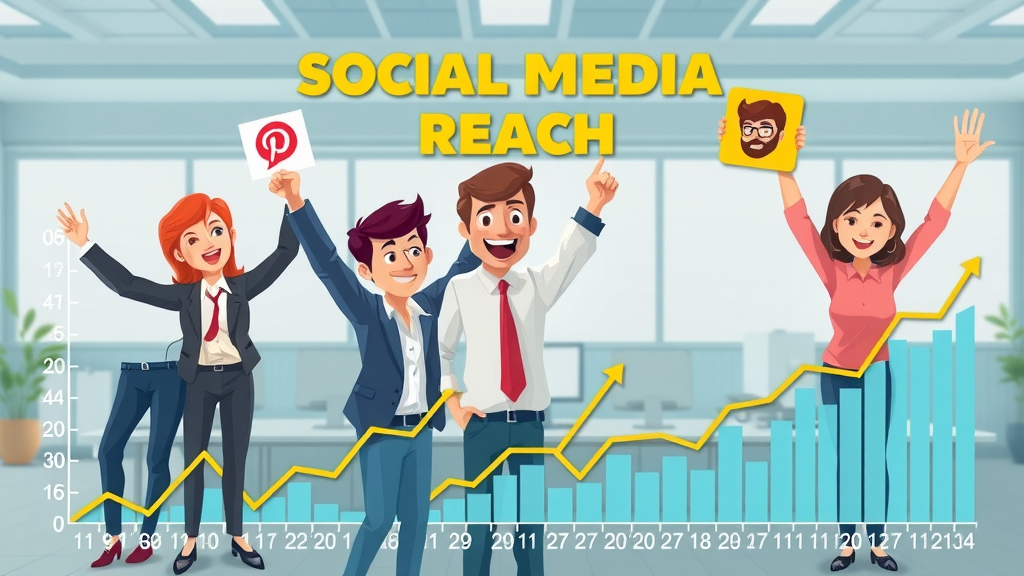
Infographic showing social media reach, impressions, brand awareness metrics and dynamic business teams

Engagement Metrics: Engagement Rate, Clicks, Shares, and Comments

While reach and impressions answer “who saw my ad?”, engagement metrics tell you “who actually cared?” Engagement rate is one of the most important social media metrics to track. It calculates the percentage of people who interacted with your post (by liking, commenting, sharing, or clicking a link). High engagement rates show your content resonates with your target audience and sparks conversations or actions.

Other engagement metrics include the number of clicks on your links, shares of your post, and comments where users tag friends or discuss your media post. By paying attention to these, you’ll know if your creativity is working or if you need to update your messaging. For most businesses, a strong engagement rate links to better brand loyalty and lifts your conversion rate. When you spot a drop in these numbers, it’s your prompt to optimize your ad creative or change your offer.

Conversion Rate: How Do Social Media Ads Drive Results?

If you want to prove that your marketing budget is well spent, focus on the conversion rate. This key metric tells you the percentage of visitors who saw your ad and then took a desired action—like making a purchase, signing up for a newsletter, or downloading a free resource. Measuring conversion rate is the gold standard for many media campaigns because it ties ad performance directly to your business goals.

A high conversion rate indicates your media ad not only captured attention but also successfully converted viewers, maximizing your ad spend ROI. If your conversion rate is low, it might mean your landing page or offer needs improvement. Keeping an eye on this key metric helps you maximize ad spend and stretch your marketing dollars. Tools like Google Analytics and platform-specific dashboards make it easy to see which social media platforms, posts, or audiences bring the best results.

Marketer reviewing social media ad conversion funnel on laptop

Ad Spend and Cost Metrics: Understanding ROI in Social Media Metrics

Your ad spend fuels every social media campaign, but true success depends on how efficiently that spend translates into measurable business results through key media metrics. Cost metrics—such as cost per click (CPC), cost per conversion, and cost per acquisition—help you understand the true return on investment (ROI) from your media ad. By tracking ad spend in combination with these media metrics, you get a clear picture of which campaigns deliver the most value.

Efficient ad spend means you’re paying less for more conversions, clicks, or engagement. If your costs are rising without a boost in results, it signals the need for changes in your targeting or creative strategy. Keeping these metrics front and center ensures every dollar spent is helping move customers across the finish line. Leverage both in-app reporting and Google Analytics to monitor your ad spend and cost metrics, ensuring smarter budget allocation for future media campaigns.

Financial dashboard showing ad spend, ROI, and growth metrics analytics

Advanced Metrics to Track: Going Beyond the Basics

Follower Growth and Retention: Social Media Metrics for Long-term Success

While single campaigns offer quick wins, sustainable marketing is all about follower growth and retention. Tracking how your audience expands over time tells you if your message is attracting new fans and if people value your content enough to stick around. A steadily increasing follower count is a healthy sign, but also measure retention rates to see how often existing followers engage with your posts.

Rapid follower growth might be driven by a viral post or a special offer, but the best results come from building steady, meaningful connections. Monitor unfollows, too—drops can indicate that your strategy is missing the mark. Combining follower growth with strong engagement metrics provides a clearer view of your overall social media health and long-term positioning.

Brand Mentions and Sentiment Analysis: What Metrics Show If My Social Media Ads Are Working?

Beyond numbers, listening to your audience’s voice offers rich insights. Brand mentions track when users talk about your brand online, showing how far your message travels—and how much “buzz” you’re generating. Sentiment analysis reviews if those mentions are positive, neutral, or negative, providing crucial feedback about how people feel about your media campaign or product.

A surge in positive brand mentions following an ad campaign is a strong signal your strategy is resonating. If sentiment slips toward the negative, though, it’s time to review your messaging and customer service. By combining mention data with other social media metrics, you can fine-tune your campaigns for happier fans and a healthier brand reputation.

Brand sentiment as emojis and positive user profiles around a brand logo

Click-Through Rate (CTR) and Landing Page Metrics

To measure the step from ad interest to website action, monitor your Click-Through Rate (CTR). CTR shows what percentage of people who see your ad actually click on it—making it a vital social media metric for driving traffic. A higher CTR means your ad copy, image, or offer is compelling; a low CTR often signals it’s time for a refresh.

Landing page metrics, like bounce rate and average time on page, add a second layer of insight. It’s not enough for users to just click—they need to stay and take action. If your CTR is high but your page metrics are low, review the landing page for speed, mobile usability, and clear calls to action. Google Analytics excels at unifying these reports, helping you turn interest into conversions and maximize ad efficiency.

Marketer analyzing landing page stats, click-through rate boxes highlighted

Using Google Analytics and Platform Tools: Your Guide for What Metrics Show If My Social Media Ads Are Working

Setting Up Google Analytics for Social Media Campaigns

To fully harness your media metrics, setting up Google Analytics is critical for tracking social media ad performance and optimizing ad spend. This tool helps you follow users from your social media ad straight through to your website, seeing the full customer journey. Start by creating custom UTM links for each platform and campaign. These links tell you exactly where your traffic comes from and what users do after clicking your ad.

Once set up, Google Analytics tracks page visits, engaged sessions, conversion paths, and more. Combine this with in-platform reporting (like Facebook or Instagram Insights) for a complete picture. By connecting social media and website data, you make smarter decisions, cut wasted spend, and spot hidden opportunities for improvement in every media campaign.

Technician setting up Google Analytics dashboard for social media ad tracking

Interpreting Reports: From Data Points to Actionable Insights

Collecting data is only half the job—true value comes from turning metrics into action. Focus on key metrics that align with your business goal, whether it’s brand awareness, lead generation, or sales. Use Google Analytics Audience, Acquisition, and Conversion reports to identify top-performing platforms and posts, enabling you to optimize your ad spend and creative strategies in real time.

Look for trends in conversion rate, engagement rate, and cost metrics to identify what’s working best. When your metrics to track reveal a drop, dive deeper to uncover the “why”—it could be targeting, timing, or ad creative. The best marketers don’t just watch numbers—they use them to drive real improvements that push every media campaign forward.

Lists: Essential Metrics to Track in Every Social Media Campaign

  1. Impressions & Reach

  2. Engagement Rate

  3. Click-Through Rate (CTR)

  4. Conversion Rate

  5. Ad Spend efficiency

  6. Cost per Click (CPC)

  7. Follower Growth

  8. Brand Mentions & Sentiment

Colorful checklist graphic with digital media icons for social media metrics

Tables: Social Media Metrics Comparison by Platform

Platform

Engagement Rate

Ad Spend Efficiency

Conversion Rate

Average CPC

Follower Growth Rate

Facebook

0.09% – 1.5%

Good, with robust targeting

1% – 3%

$0.50 – $2.00

Steady, broad reach

Instagram

0.85% – 2.0%

Strong for visuals & youth

1% – 2.5%

$0.70 – $1.50

Fast with creative posts

Twitter

0.03% – 1.0%

Efficient for trending topics

0.5% – 1.5%

$0.50 – $2.00

Moderate, viral potential

LinkedIn

0.04% – 0.7%

High for B2B targeting

1% – 2.5%

$2.00 – $5.00

Professional, niche audience

TikTok

2.0% – 10.0%

Excellent for reach growth

1% – 2%

$0.10 – $1.00

Rapid with viral content

Quote: Industry Expert Insights on What Metrics Show If My Social Media Ads Are Working

"Effective marketers focus not on the volume of likes or shares, but on the real business outcomes—conversion rates, cost per acquisition, and brand lift—that their media ad investments deliver." – Social Media Analyst

Videos: Visual Guide to Social Media Metrics

People Also Ask: What Metrics Show If My Social Media Ads Are Working?

What metrics can be used to measure social media success?

Success in social media advertising can be tracked by key metrics such as reach, impressions, engagement rate, click-through rate, conversion rate, ad spend efficiency, and brand mentions. Each metric tells a different story: some measure how well you spread your message, while others reveal if people took your desired action. Combining several metrics to match your business goals gives the clearest picture of campaign success.

What is the 5 5 5 rule for social media?

The 5 5 5 rule suggests posting five pieces of content about your business, five pieces from others, and five responses or interactions with your audience each week. This method helps keep a healthy balance of promotion, value-sharing, and engagement—all of which reflect positively in your media metrics for follower growth and engagement rate.

How do you measure the effectiveness of a social media campaign?

Measuring a campaign’s effectiveness starts by looking at the conversion rate—did viewers of your social media ad take the action you wanted? Pair that with ad spend, engagement rate, and platform analytics to see which posts performed best. Effective tracking tools like Google Analytics let you see the user journey from ad to result, proving ROI and highlighting ways to improve your next campaign.

Business analyst reviewing qualitative and quantitative social media charts and metrics

How to measure effectiveness of Facebook ads?

Begin by reviewing Facebook's Ad Manager dashboard. Track your reach, engagement metrics, and—most importantly—conversion rate and cost metrics like cost per result. Use Google Analytics to monitor actions taken after the click, like purchases or form submissions. The combination of in-app and external data shows if your ads are working and how to refine them for higher ROI.

FAQs: Tracking Social Media Metrics

What is the difference between reach and impressions in social media metrics?

Reach refers to the number of unique people who see your ad or post, while impressions count the number of times your content is displayed—even if the same user sees it more than once. Both are foundational social media metrics that give you an idea of visibility and frequency.

How often should I track my social media metrics for ads?

Monitor your social media metrics regularly—ideally weekly for active campaigns and monthly for longer-term analysis. Frequent tracking lets you spot trends quickly and make timely adjustments for improved campaign performance.

Which metric is most important in measuring ad spend ROI?

The most important metric to measure ad spend ROI is the conversion rate, combined with cost metrics like cost per conversion or cost per acquisition. These show you exactly how well your advertising dollars are driving meaningful results.

Are engagement rates more valuable than follower growth as a metric?

Both are valuable, but engagement rate often provides clearer insights into how well your audience resonates with your content. High follower growth is positive, but strong engagement shows genuine interest and community around your brand.

Conclusion: Taking Action on What Metrics Show If My Social Media Ads Are Working

Confident marketer reviewing campaign success metrics, showing tablet screen with results

Use these media metrics to guide your strategy, maximize your ad spend, and turn every campaign into a measurable win. Start tracking smarter today.

Call to Action

Ready to get real results from your social media marketing? Call us at 207-710-1449 for all your marketing needs. Let us get your business more visibility.

Social Media Strategy

88 Views

0 Comments

Write A Comment

*
*
Related Posts All Posts
02.17.2026

Unlock the Power of Social Media for B2B Success Now

Did you know that a single social media post can unlock opportunities that transform your entire social media marketing strategy? In today’s digital-first world, the most successful B2B companies aren’t just using social media—they’re weaving it into the very fabric of their growth story. Whether it’s finding new clients, nurturing industry relationships, or building lasting brand loyalty, social media marketing for B2B leverages the best media platforms to change the game faster than ever before. Imagine if your next LinkedIn update led to a 300% increase in qualified leads. It’s not just possible; it’s happening. In this guide, you’ll hear impactful stories, learn step-by-step strategies, and gain actionable insights to position your business ahead of the curve.Key Takeaways from Mastering Social Media for B2B SuccessUnderstanding where social media for B2B fits in your overall marketing strategy.Choosing the right media platforms for your B2B objectives.Building a social media marketing plan that resonates with your target audience.Leveraging employee advocacy and user-generated social media posts.Measuring and refining your social media marketing strategy for ongoing success.Social Media for B2B: A Surprising Trend That’s Changing Business Forever"Did you know that over 80% of B2B marketers use LinkedIn to drive growth, but only 1 in 3 have a documented social media strategy?" – Industry Report, 2023The numbers paint a powerful picture: while most B2B brands are active on social media platforms like LinkedIn, Twitter, and Facebook, few are truly maximizing their impact with a dedicated media marketing strategy. As digital conversations edge out face-to-face introductions, social media for B2B is re-defining the sales cycle, shortening decision times, and connecting your business to buyers you’d never reach through traditional methods. Think of the manufacturer who turned daily LinkedIn posts into a 300% growth in leads or the services firm that transformed trade show contacts into year-round engagement. Adopting a holistic social media marketing strategy goes beyond posting updates; it means leveraging media platforms to build relationships, amplify thought leadership, and fuel each stage of your marketing funnel with meaningful interactions.But here’s the catch: simply “being there” on social doesn’t guarantee success. You need the right mix of content, platforms, and human touch. This is how top companies set themselves apart—and how you can, too, by focusing on the most influential media platforms for your unique goals. Let’s explore how to build a winning, story-driven strategy.What You'll Learn About Social Media for B2BReal-world stories of B2B social media transformations.The most effective social media platforms for specific B2B industries.Step-by-step strategies for impactful media marketing.Examples of high-performing social media posts in the B2B landscape.The Foundations: What is Social Media for B2B?Breaking Down the Concept of B2B Social MediaAt its heart, social media for B2B is all about building relationships between businesses. Unlike B2C (business-to-consumer) marketing, which speaks to individual buyers, B2B social and media platforms focus on connecting your company with other organizations, decision-makers, and industry leaders. Think of it as building a virtual community where your brand can exchange ideas, showcase expertise, and nurture leads over longer sales cycles.Effective B2B social networks go far beyond sharing company news or product launches. The goal is to foster trust and credibility by offering real value: through sharing insightful resources, engaging in conversations, and highlighting customer success stories. A strong B2B presence helps shorten the sales cycle, drive brand awareness, and establish your reputation as a thought leader in your niche, ultimately leading to greater sales and long-term loyalty.As you refine your B2B social media approach, it’s worth considering how emerging technologies like AI are shaping the future of digital marketing. For actionable insights on integrating AI and local SEO into your strategy, explore how to win at AI marketing and local SEO in 2026 to stay ahead of the curve.Understanding Social Media Marketing in the B2B ContextExecuting social media marketing in the B2B world requires a different mindset from B2C. You’re not just seeking clicks or quick conversions; you’re nurturing relationships that can take months—or even years—to develop. The most successful B2B brands treat content marketing as the backbone of their strategy, blending educational blog posts, video content, and compelling case studies to guide prospects through complex buying decisions.Content quality is key: Your audience expects thought leadership, original insights, and solutions to business challenges. A B2B social media post might be a LinkedIn article that sparks a conversation, a Twitter thread sharing industry news, or a behind-the-scenes look at your team’s process. When you position yourself as a trusted resource, you create opportunities for meaningful dialogue, new partnerships, and extended reach through shares and endorsements from industry influencers and thought leaders.Choosing the Right Social Media Platforms for B2B SuccessBest Social Media Platforms for B2B: LinkedIn, Twitter, and MoreNot every media platform serves B2B businesses equally. Selecting the right social platforms is critical for reaching the right decision-makers and achieving your goals.For example, LinkedIn shines as the premier platform for B2B networking, thought leadership, and lead generation, especially in industries like technology, manufacturing, and professional services. Twitter is a powerful tool for real-time conversations and staying atop industry trends, while Facebook groups can gather niche professional communities around your brand. Even Instagram and YouTube play a growing role in industries where visual storytelling or video content drive engagement. Remember, each platform offers unique tools—from sponsored content to community-building features—so choose based on where your audience is most active and engaged.Comparison of Top Social Media Platforms for B2BPlatformFeaturesProsConsExample Use CasesLinkedInB2B networking, company pages, targeted ads, thought leadershipProfessional audience, advanced targeting, lead generationOrganic reach can be limited without paid supportLead generation campaigns, industry news, case studiesTwitterReal-time updates, hashtags, live chatsQuick sharing, industry engagement, thought leadershipShort message format, noisy feedNews updates, event promotion, influencer engagementFacebookGroups, events, live video, advertisingLarge user base, group building, diverse formatsLower organic reach for pages, more B2C audienceNiche groups, brand storytelling, webinar hostingInstagramVisual posts, stories, reelsBrand awareness, visual storytellingNot ideal for complex B2B offeringsBehind-the-scenes, product demos, company culture highlightsYouTubeLong and short form video contentHigh engagement, rich educational contentResource-intensive video productionExplainer videos, tutorials, customer testimonialsBuilding a Strategic Social Media for B2B PlanCrafting a Media Marketing Strategy Centered on Your Target AudienceNo two B2B companies are alike—so why should your media marketing strategy be? The foundation of every winning plan is a deep understanding of your target audience: Who are they? What challenges do they face? What kind of content grabs their attention and inspires action?Start with persona research to identify your target audience, including key decision-makers and influencers within your industry, to tailor your media marketing strategy effectively. Next, build your social media strategy around their specific needs, tailoring your messaging, visuals, and content types for each platform. For instance, you might share industry trends and leadership insights on LinkedIn, quick updates or live event coverage on Twitter, and behind-the-scenes team culture on Instagram. Always ask yourself: “How does this post solve a problem or offer unique value?” That’s the secret to creating a marketing channel that speaks directly to your most valuable prospects.Setting B2B Goals: From Awareness to SalesEvery powerful marketing strategy starts with clear, measurable goals aligned with your social media marketing strategy to maximize impact across media platforms. In B2B, that might include building brand awareness, driving qualified leads, increasing engagement, or closing deals faster. For example, set a target like “grow LinkedIn followers by 25% in 6 months,” “increase webinar registrations from Twitter by 50%,” or “triple the number of customer case studies shared quarterly. ”Map these objectives to the stages of your B2B sales cycle—from initial awareness to consideration, to conversion and advocacy. Use analytics tools to track which types of media posts drive engagement, nurture leads, and generate revenue. This story-driven approach ensures each step along the buyer journey is closely aligned with business growth, making your social media marketing strategy both powerful and resilient.Content That Converts: Social Media Post Strategies for B2BWhat Makes a B2B Social Media Post Effective?An effective B2B social media post combines clear messaging with genuine value to engage your target audience and strengthen your overall media marketing strategy. It could be an inspiring case study, a “how-to” video, or a curated industry article that sparks conversation. The most resonant posts tell a story—pulling in the reader, solving a pressing problem, and encouraging action. Think of the SaaS company that doubled their demo bookings after sharing a client’s before-and-after story, or the consultancy that drove conversations by sharing actionable checklists via LinkedIn carousels.B2B readers are busy and savvy. They want depth, but also immediacy—so deliver insights in a format that’s easy to digest, like infographics or short explainer videos. Use strong visuals, ask thoughtful questions, and include a clear call-to-action. Above all, be authentic: humanize your brand, showcase your team, and invite feedback. Real stories beat sales pitches every time.Applying the 70/20/10 Rule for B2B Social Media ContentSuccessful B2B brands use the 70/20/10 content rule: 70% educational or value-driven posts (like thought leadership articles or industry news), 20% curated or shared content from others, and only 10% direct promotion. For example, you might post a behind-the-scenes project video (educational), share an industry podcast (curated), and once a week, feature a new product or offer (promotional). This media strategy balances brand credibility and engagement, ensuring your audience feels informed, not bombarded.Examples of high-performing B2B posts: Webinar invites, customer testimonials, trends reports, explainer videos, employee spotlights.Tips for repurposing content: Turn a blog post into a carousel, split long videos into short clips, or share case studies as infographics for multi-platform reach.Amplifying Reach: Employee Advocacy & Social Media for B2BHow Employee Advocacy Boosts Social Media Marketing StrategyImagine what happens when your whole team becomes brand ambassadors. Employee advocacy multiplies your reach by turning every team member into a social media champion, significantly boosting your B2B media marketing strategy. Research shows that people trust content shared by employees more than official brand accounts, often resulting in higher engagement and more authentic relationships.Encourage staff to share company updates, contribute to expert blogs, or offer behind-the-scenes glimpses of your culture and values. Create an easy-to-use repository of pre-approved content they can personalize, and reward those who spark new conversations or bring in new leads. Employee advocacy not only amplifies your content—it builds trust, supports recruitment, and can directly impact your bottom line by boosting visibility and credibility in competitive markets.Engagement Tactics: Building Genuine Connections on Social Media for B2BFrom Awareness to Advocacy: Turning Connections into CollaboratorsTurning followers into collaborators doesn’t happen by accident—it’s a result of continuous, strategic engagement. Go beyond standard likes or shares by hosting interactive experiences, such as LinkedIn Live Q&As, industry roundtables, or collaborative whitepaper launches. Invite comments, reply promptly to questions, and spotlight your most engaged fans.Hosting LinkedIn Live events to demonstrate thought leadership and attract valuable prospects.Engaging industry influencers to co-create content or amplify your brand to broader networks.Creating interactive social media posts—like polls, quizzes, and “ask us anything” threads—to drive conversation and foster connection.When your brand moves from “vendor” to “partner,” you enter a powerful chapter of B2B relationship-building—one where advocacy, referrals, and repeat business become the norm.Social Media Metrics That Matter for B2B GrowthTracking the ROI of Your Social Media Marketing StrategyHow do you know if your social media strategies are delivering value? Start by mapping your goals to measurable key performance indicators (KPIs). Track metrics like engagement rates, average click-throughs, lead conversions, and sales cycles for each platform. For example, did a recent LinkedIn campaign generate downloads of your latest case study? Did Twitter activity increase event attendance or newsletter signups?Real-world story: A legal services firm shortened its sales cycles by 30% after optimizing its content calendar and tailoring posts to answer specific prospect questions. Measuring the right data sheds light on what’s working—and what needs to pivot—empowering you to continually optimize your approach and grow your results.Tools for Monitoring Your B2B Social Media StrategiesThe best B2B marketers rely on tools like HubSpot, Sprout Social, Hootsuite, and Google Analytics to track performance across multiple media platforms. These tools allow you to monitor post engagement, demographic insights, traffic sources, and ROI at a glance. Set a regular rhythm for reviewing metrics—weekly for engagement, monthly for conversions—so you’re always ready to adjust tactics and seize new opportunities.Key Social Media Metrics by PlatformKPIPlatformMeasurement FrequencySuccess ExampleEngagement RateLinkedIn, Twitter, FacebookWeekly40% increase after employee advocacy program launchLead ConversionLinkedIn, WebsiteMonthly300% growth in new leads from LinkedIn adsContent SharesTwitter, LinkedInWeeklyTrending post shared by industry thought leadersEvent RegistrationsFacebook, LinkedInPer Event25% increase in webinar signups via targeted postsWebsite TrafficAllMonthlyConsistent 20% rise after launching weekly blog seriesPeople Also Ask: Social Media for B2B FAQsWhat is the best social media for B2B?LinkedIn stands out as the best social media platform for B2B businesses, thanks to its focus on professional networking, thought leadership, and advanced targeting options. However, platforms like Twitter and Facebook also play crucial roles, depending on your audience and goals. The best strategy is to focus where your audience is most engaged—and use a mix of channels for maximum reach.What is B2B social media?B2B social media refers to using social platforms like LinkedIn, Twitter, or Facebook to market your products or services to other businesses, rather than directly to individual consumers. It’s about building long-term business relationships, sharing knowledge, and driving brand growth through authentic digital interactions.What is the 70/20/10 rule for social media?The 70/20/10 rule is a content strategy guideline suggesting your social media content should be 70% useful or educational, 20% shared or curated from other sources, and only 10% directly promotional. This balance keeps your audience engaged, builds authority, and prevents content fatigue.What is the rule of 7 in B2B?The rule of 7 states that a prospect needs to see or interact with your brand at least seven times before taking action. Using social media marketing effectively accelerates these touchpoints—moving prospects from awareness to making contact, faster and more consistently.Top Social Media for B2B Mistakes—and How to Avoid ThemNeglecting to define a clear media marketing strategySpreading resources across too many social media platformsIgnoring analytics and key social media strategiesForgetting the value of storytelling in social media posts"Content is fire, social media is gasoline." – Jay BaerReal-World Success Stories: Social Media for B2B in ActionCase Story 1: How a Manufacturer Grew Leads 300% via LinkedInWhen a niche manufacturing company launched a targeted LinkedIn campaign, they didn’t just reach new eyes—their inbound leads tripled within three months. By sharing weekly case studies highlighting customer ROI, producing short video content about their process, and encouraging employee advocacy, their prospects engaged more, booked calls faster, and moved through the sales cycle in record time.Case Story 2: Turning Trade Show Investments Into Ongoing Digital EngagementA global supplier realized their biggest trade show successes faded after each event. They decided to bridge the gap: uploading live event photos, conducting LinkedIn Live interviews, and inviting booth visitors into a post-show nurture campaign via Twitter and email. Six months later, their online community had doubled, and those trade show connections continued to engage year-round—proof that smart, integrated B2B social media strategies deliver results beyond the show floor.FAQs on Amplifying Social Media for B2BHow can I measure success of my B2B social media marketing strategy?Measure success using key social media metrics like follower growth, engagement rate, website traffic from social media platforms, lead conversions, and revenue generated from your social media marketing strategy. Track trends monthly to spot what content and platforms perform best for your audience and adjust accordingly.What content works best for B2B social media platforms?Helpful, educational material—think how-tos, industry news, executive insights, video content, case studies, and interactive posts—consistently drive the strongest results. Content should offer value, showcase expertise, and spark two-way conversations to foster trust and interest.How often should I post on each social media platform?There’s no one-size-fits-all, but a good rule of thumb: post on LinkedIn 2-4 times per week, Twitter 1-2 times daily, Facebook 2-3 times per week, and share video content or stories regularly on platforms like YouTube or Instagram (at least once weekly). Adjust to match your audience’s engagement patterns for best impact.Take Your Next Step with Social Media for B2BYou don’t have to be a Fortune 500 company to build a high-impact B2B social media presence. Start by mapping out your story, listening to your audience, and making every interaction count. The right strategy will amplify your reach, fuel growth, and keep your brand top of mind—now and in the future.If you’re ready to elevate your B2B marketing even further, consider how advanced search strategies can supercharge your lead generation. Discover why embracing semantic search is a game-changer for increasing leads and learn practical SEO tips for the coming year by visiting this in-depth guide on semantic search and lead growth. By combining the power of social media with cutting-edge SEO, you’ll position your business for sustainable success and stay ahead of evolving digital trends. Take the next step and unlock even greater results for your brand.I hope you enjoyed reading our blog. If you would like to assistance with your marketing, give us a call at 207-710-1449 or visit our website at www. digitalmarketingall. org.SourcesHootsuite: Social Media for B2BLinkedIn: B2B Marketing InsightsSprout Social: Building a B2B Social Media StrategyTo further enhance your understanding of leveraging social media for B2B success, consider exploring the following authoritative resources: “Social Media Platforms And Strategies You Should Consider For B2B”: This article provides insights into selecting the most effective social media platforms and strategies tailored for B2B marketing, helping you make informed decisions about where to focus your efforts. (forbes. com) “Why Social Media Is More Important Than Ever for B2B”: This piece delves into the growing significance of social media in the B2B landscape, offering data-driven insights and strategies to effectively engage your target audience. (linkedin. com) By integrating the strategies and insights from these resources, you can develop a robust social media approach that drives meaningful engagement and contributes to your B2B success.

01.19.2026

The Secret to Exploding Your Website Traffic

Learn how to turn social media followers into website visitors using action-driven stories, AI-friendly tactics, and lead-capture tools like Connect Sight.

01.22.2026

Stop Selling and Start Helping: The Secret to Winning on Reddit

Learn to use Reddit marketing by providing value, building karma, and using the "Crawl-Walk-Run" method to grow your business authentically.

Terms of Service

Privacy Policy

Core Modal Title

Sorry, no results found

You Might Find These Articles Interesting

T
Please Check Your Email
We Will Be Following Up Shortly
*
*
*