








Imagine pouring hours into crafting the perfect website, only to discover that over 90% of online content never makes it into Google's search results. That’s right: the majority of all web pages remain invisible, gathering digital dust while others thrive. Google indexing is the invisible wall that can block your masterpiece from the world—or catapult it to page one. If your website traffic feels stagnant, the culprit might be lurking in how search engines view (or ignore) your content. In this article, you’ll unravel the secrets behind getting your site indexed, see what real changes look like, and walk away with the exact steps you need to rescue your web presence from obscurity.
Key Takeaways for Maximizing Google Indexing on Your Website
- Google indexing determines your website’s discoverability in search engines.
- Regularly auditing your site indexing can uncover critical technical issues.
- XML sitemaps, internal links, and search console usage are pivotal for optimally index your website.
Unveiling the Power and Pitfalls of Google Indexing: Why Your Website's Fate Hinges on Visibility
Did You Know? Most Websites Remain Invisible to Google Indexing—Impactful Statistics to Consider
It’s hard to believe, but the majority of websites never get more than a handful of clicks—if any—from Google Search. Industry data reveals a staggering 90% of online content never receives organic search traffic. That’s because their most crucial step—Google indexing—never happens correctly, or at all. When your site isn’t indexed, it doesn’t matter how beautiful, informative, or updated it is—Google can’t show it to people searching for your products or ideas. The invisible wall between your website and organic traffic isn’t a lack of optimization, but a lack of visibility. For many business owners and creators, understanding this gatekeeping process is the turning point from getting lost in the digital crowd to standing out as a brand authority.

"A staggering 90% of online content never receives organic traffic from Google search engines. Indexing is the silent gatekeeper." – Industry Data
What You'll Learn in This Guide to Google Indexing
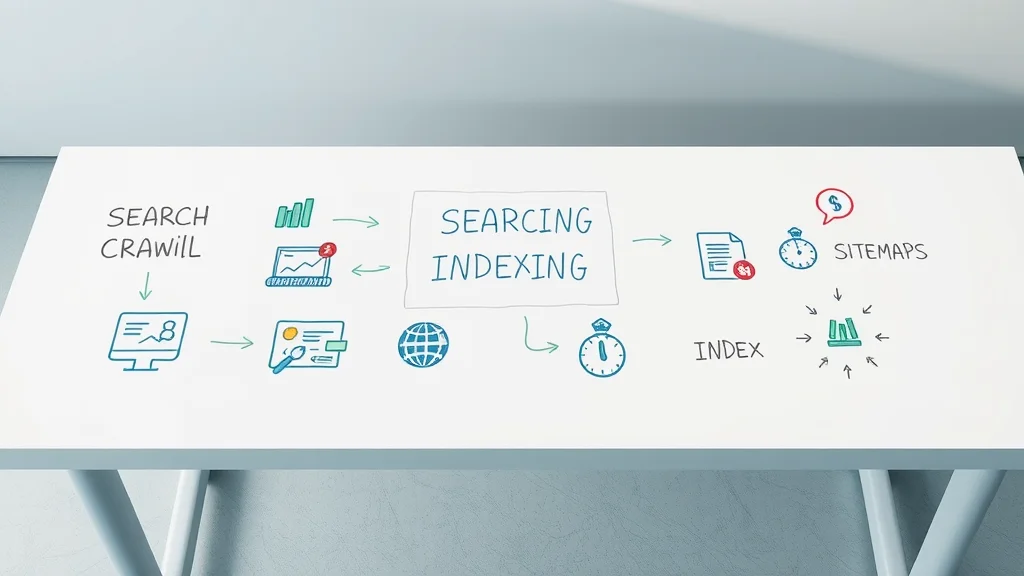
- How google indexing works and why it matters
- Key terminology: site indexed, google index, indexed pages, etc.
- Hands-on steps to get your website indexed by Google
- Troubleshooting common google indexing issues with relatable examples and solutions
- Best practices for sustaining google indexing success
Google Indexing Explained: Getting to Grips with the Basics
What is Google Indexing and Why Should You Care?
At its core, Google indexing is how Google Search “remembers” your website. Think of the google index as a giant digital library. Crawlers (often called “spiders”) discover and organize your web pages so they can be shown in relevant search results. If your site indexed status is missing or incomplete, the best content on your site remains invisible—even when someone searches directly for it. The bigger your library presence, the more likely visitors will find and trust your brand. Without google indexing, your pages live in a digital void, inaccessible to potential readers, customers, or subscribers.
How Does the Google Index Work Behind the Scenes?
The journey from freshly published web content to appearing in Google search results relies on two critical steps: crawling and indexing. First, Google sends out its Googlebot to crawl web pages by following links or sitemaps, discovering new content and updates. Next, the algorithm processes (“indexes”) what it finds—storing details, keywords, and metadata in its vast system. If there are errors, redirects, duplicate content, or issues with your XML sitemap, Google may skip or misinterpret your pages. This process decides whether Google can retrieve your page for a relevant query, which is why understanding and maintaining Google’s index is essential for your online reach.

Site Indexed vs. Not Indexed: What’s the Difference?
When your site indexed status is “yes,” pages are eligible to appear in organic search engine results, broadening your reach exponentially. A “not indexed” status means Google either hasn’t found, understands, or trusts your page—or something technical is blocking it. This might be due to an errant robots. txt entry or missing internal links. For example, a blog post about your services with no links from the homepage and not included in your sitemap url often slips through the cracks, never making it into Google’s visible results. Checking whether your page is indexed lets you spot issues before they become costly missed opportunities.
The Critical Role of Index Your Website: How Visibility Drives Results
Google Indexing as the Foundation of Search Engine Traffic
The foundation of every traffic spike, lead capture, and online sale starts with google indexing. Without it, your site may as well be invisible. Imagine launching a pop-up shop in a hidden alley—no matter how splendid your sign or products, nobody will show up unless they can find you. Indexed pages are like virtual storefronts mapped right onto the main street of the internet: Google search results. If you want organic traffic, every important page must be accessible and trusted in the google index. This opens the doorway to new audiences, builds credibility, and transforms your digital brand from stagnant to thriving.

Story Highlight: A Website Before and After Getting Indexed by Google
Consider Lisa, who built a robust resources page for her small business but saw no change in inquiries or traffic for months. After learning about site indexed issues, she used the Google Search Console to submit her XML sitemap and added strategic internal links from her homepage. Within weeks, analytics showed her resources page rising in search results, doubling her organic leads. This real-life turnaround is a common one: google search rewards sites that proactively manage indexing, resulting in faster, more sustainable growth.
"Getting our site indexed by Google doubled our organic leads in just months." – Digital Marketing Case Study
How Indexed Pages Shape the Reach and Authority of Your Site
Every page that’s visible in the google index strengthens your site’s authority. Picture your website as a tree: main pages (like your homepage and core services) are the trunk, while subpages and blog posts serve as branches and leaves. The more indexed pages and well-placed internal links you have, the fuller and healthier your tree appears to Google’s algorithms. This boosts your ranking for important keywords, enhances brand trust, and expands your digital footprint—fueling more visitors, leads, and revenue. Google indexing isn’t just a technical task—it’s the heartbeat of your website’s growth.

If you’re looking to further improve your site’s visibility and ensure your content gets discovered, mastering the art of crafting articles that rank is essential. Explore actionable steps and proven techniques in this guide to writing listicles that attract traffic, links, and shares—a practical resource for anyone aiming to boost their organic reach.
People Also Ask: Demystifying Google Indexing
What is Google indexing?
Answer: Google indexing is the process by which Google search engines process, analyze, and store web pages discovered during crawling, making them available to show in relevant search results.
How do I get my site indexed by Google?
Answer: To get your site indexed, start with submitting an XML sitemap through Google Search Console, create valuable internal links, and use the URL inspection tool to request indexing of individual pages.
Can you see how many times someone has googled you?
Answer: While Google doesn’t provide personal search data, you can analyze site queries and impressions within the Google Search Console to understand how your indexed pages are being searched.
What are the three types of indexing?
Answer: The primary types of indexing in web search are full-text indexing (entire content), metadata indexing (description/titles), and database indexing (structured data for faster retrieval).
Step-by-Step: How to Check if Google Has Indexed Your Site
Quick Methods to Verify Indexing Using Google Search
To quickly check if Google has indexed your site, type site:yourdomain. com into Google search. This shows a list of all indexed pages for your domain. If key pages are missing, they may not be indexed yet. For a deeper dive, review URLs you’ve recently published—sometimes a page is indexed but not ranking, indicating opportunity for optimization or technical clean-up. Alongside the site search, try searching snippets of unique content to see if your information comes up in Google search results, confirming that Google understands and trusts your content.

Leveraging Google Search Console to Audit Indexed Pages
Google Search Console is the command center for tracking index your website health. By navigating to the “Coverage” section, you can view which pages are indexed, where errors exist, and why Google might skip certain URLs. The URL Inspection Tool lets you enter any web address to see its live indexing status, what Google saw during its last crawl, and whether any technical blocks exist (like duplicate content or robots. txt exclusions). Use these diagnostics to spot and fix issues before they hurt your traffic or ranking.
Interpreting Indexing Status Reports and What They Reveal
Understanding indexing status reports is key to proactive site management. Errors like "Crawled – currently not indexed" or "Duplicate, submitted URL not selected as canonical" provide actionable insight into both technical glitches and content quality problems. If several pages are marked as “excluded,” check for improper noindex tags, poorly set canonical tags, or unintentional blocking via robots. txt. By addressing these, you not only help Google to index every important page but also make your site stronger, smarter, and more resilient to algorithm changes.
Technical Deep Dive: Understanding the Google Indexing Process
Crawling and Indexing: The Journey from Discovery to Google Index
Google’s journey with your site begins at crawling: the Googlebot explores pages by following internal links or reading your XML sitemap. Once discovered, each page is analyzed, organized, and—if deemed high quality—added to the google index. If a site’s navigation is confusing, lacks internal links, or contains excessive duplicate content, valuable pages might be skipped. Think of crawling as Google’s pathfinding, and indexing as adding pages to its digital Rolodex. The better your structure and guidance, the more content Google will “remember” to show searchers.
Role of XML Sitemap in Helping Google to Index Your Site
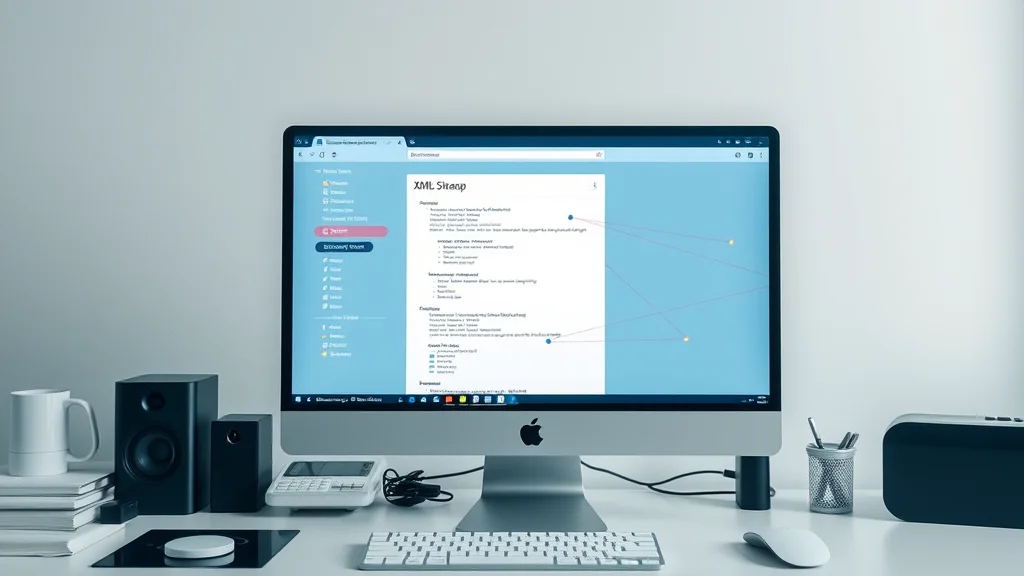
An XML sitemap acts like a roadmap, showing Google where to look for your website’s most important pages. Submitting a sitemap url through Google Search Console ensures newly created or updated pages get discovered fast—especially when your site is large, or navigation is complex. It’s one of the most effective signals to help Google crawl and index your content efficiently. Make sure to regularly update your sitemap when you publish, delete, or restructure content, so you’re always pointing Google in the right direction.
The Impact of Internal Links and Site Architecture on Google Indexing
Internal links are more than convenient navigation—they’re essential signals that guide Googlebot to new or deep content. Each link from a high-traffic page (like your homepage) passes authority to others, boosting the likelihood that Google will discover and trust even distant subpages. Well-organized internal linking structures eliminate “orphan pages” (pages with no inbound links), speed up indexing, and increase keyword relevance throughout your site. Periodically review your architecture, ensuring every key service, product, or blog page is connected through multiple internal links to maximize crawlability and authority.
Enhancing Your Site Indexed Status: Case Example
Take the story of a local restaurant whose menu page was never getting indexed. Upon review, there were no internal links pointing to it from their home or location pages, and it was missing from the XML sitemap. After adding links from several high-traffic pages and updating the sitemap, the menu page appeared in Google’s index and soon ranked for local food-related search results, leading to a 30% increase in reservations through organic search alone.
| Indexing Signal | Boosts Indexing? | Explanation |
|---|---|---|
| XML Sitemap | Yes | Guides Google on what pages to crawl and index. |
| Internal Links | Yes | Distributes authority and brings orphan pages into the Google index. |
| Duplicate Content | No | Can suppress or confuse Google indexing. |
| Robots.txt/Noindex | No | Directly blocks content from Google indexing. |
Common Barriers to Effective Google Indexing & How to Fix Them
Real-World Example: Indexing Issues Stemming from Duplicate Content
A common reason for indexing problems stems from having duplicate content—multiple pages with identical or very similar text. For example, an e-commerce owner cloned a product page for a new variant but forgot to update product details. Google detected the similarities, marked both as duplicates, and only indexed one (randomly chosen) page. The affected pages vanished from key search results, impacting traffic and sales. Identifying and rewriting duplicate sections, as well as using proper canonical tags, restored visibility and expanded organic reach.

Resolving Problems with Canonical Tags and Duplicate URLs
Canonical tags tell Google which version of a web page is the “official” one when similar content appears at multiple URLs. A misconfigured canonical tag can accidentally block your main page from being indexed, while duplicate URLs can dilute authority across your site. Consider an agency whose main service page wasn’t appearing in search. The audit found the canonical tag pointed to an old URL, so Google ignored the new page entirely. By updating the canonical tag and consolidating duplicate URLs, the affected page finally entered the google index, regaining its ranking and leads.
"A single misconfigured canonical tag kept our key landing page out of Google’s index for weeks." – SEO Consultant
Combating Indexing Issues from Incorrect Use of Robots.txt and Meta Tags
The robots. txt file and page-level meta “noindex” tags give you control over what search engines can access, but incorrect use can unintentionally hide crucial pages from the google index. For instance, a blog owner excluded the entire /blog/ directory in robots. txt without realizing, causing all their expert posts to disappear from Google results. Always check your robots. txt settings and page meta tags before publishing. Restore important content by allowing crawling, removing “noindex” tags, and requesting a recrawl in Search Console.
Optimizing Crawling and Indexing with Internal Linking Strategies
Many indexing issues are resolved simply by strengthening internal links. If an important page isn’t being indexed, review your navigation, blog posts, and landing pages for opportunities to add descriptive, keyword-rich links to those URLs. A content update that adds references to neglected resources can help Google discover and prioritize those affected pages for indexing within just a few days, often with a noticeable positive impact on search ranking.
Troubleshooting Temporary and Persistent Google Indexing Bugs
Sometimes, indexing glitches are on Google’s side—algorithm changes, resource limitations, or temporary bugs. If a previously indexed page vanishes, check its crawl and index status using the URL Inspection Tool. Resubmit if needed, monitor for manual actions or reported outages, and reach out to Google Search Console support for persistent issues. Addressing these quickly ensures that transient problems don’t become permanent lost traffic.
Hands-On Strategies: How to Get Google to Index Every Important Page
Submitting an XML Sitemap: Full Steps to Index Your Website
Submitting an XML sitemap is one of the fastest ways to help Google to index your latest content. In Google Search Console, navigate to Sitemaps, enter your sitemap url (like https://yourdomain. com/sitemap. xml), and click submit. This alerts Google to crawl and index your site’s most valuable pages immediately. Make sure your sitemap is clean—avoid expired, redirected, or “noindex” pages to prevent search confusion. Update your sitemap after every site restructure or major content update to ensure complete coverage.

Strategic Placement of Internal Links to Boost Indexing
Carefully planning internal links can make the difference between pages that languish unseen and those that rank. Link to new or updated articles from your homepage, sidebar, or high-authority posts. Use descriptive anchor text (the clickable words in the link) to help Google understand each page’s purpose. For example, after publishing a new case study, link to it from your Services, About, and Blog pages to boost its chances for rapid, comprehensive indexing.
Requesting a Recrawl or Manual Submit via URL Inspection Tool
If a page still isn’t appearing after you’ve addressed on-page and technical issues, use the URL Inspection Tool in Google Search Console. Enter the page URL, check the live index status, and click “Request Indexing. ” This manual trigger can speed up Google’s crawl cycle from weeks to hours. Use it sparingly but effectively—perfect for important updates, newly launched landing pages, or after resolving indexing issues.
Proactive Monitoring Using Google Search Console
Proactive site owners check the Coverage and Index reports in Google Search Console weekly. Watch for new errors, monitor excluded URLs, and celebrate the steady growth of indexed pages. Setting up email alerts ensures you’re notified of major shifts in your google indexing status, giving you the opportunity to address issues before search traffic is affected.

Case Example: Turning Around an Under-Indexed Site
An outdoor gear shop noticed only a few core pages were indexed, limiting their growth. By updating their XML sitemap, adding contextual internal links to forgotten product pages, and manually submitting new URLs, they shifted from just 12 indexed pages to over 150 in two months. This led to a 3X increase in organic visitors and boosted sales each quarter. Their story proves that hands-on action can revive even the quietest websites!
Best Practices for Sustainable Google Indexing
Creating Original Content to Avoid Duplicate Content Penalties
Keeping your website’s content original and unique is critical to maintain trust with Google and avoid penalties for duplicate content. Every new article, service page, or product description should offer fresh value. Rewrite or consolidate similar posts, use properly configured canonical tags, and tailor your messaging for specific target audiences. The more genuinely valuable and distinct your content, the better your chances for rapid, lasting inclusion in the google index.
Using the Google Search Console for Long-Term Indexing Health
Set up automated monitoring through Google Search Console to receive alerts about new indexing issues, blocked URLs, or crawl errors. By checking in regularly, you can spot trends—such as an increase in “excluded” pages—and take corrective action before organic traffic is impacted. This ongoing maintenance is key for keeping your site indexed and performing at its best.
Building Internal Links and Updating Your XML Sitemap Regularly
As your website grows, new sections may emerge as pillars for your audience and for search engines. Always point new content from multiple places within your site using natural, topic-focused internal links. After every content update, rebuild and re-upload your XML sitemap to ensure all new or reprioritized pages are crawled and indexed efficiently.
Ongoing Site Indexed Monitoring: Staying Ahead of Indexing Issues
Set a recurring schedule to review your site’s indexed pages, check for sudden drops or unexpected exclusions, and quickly address any warning flags. Ongoing vigilance keeps your business visible in the search engine ecosystem and prepares you for algorithm updates or competitive shifts.
FAQs: Your Pressing Google Indexing Questions Answered
-
How long does it take Google to index your website?
Typically, it can take anywhere from a few hours to a few weeks for new pages to be indexed, depending on site authority, sitemap submission, and internal linking strength. Use Google Search Console’s URL Inspection Tool to speed up this process for urgent pages. -
What should I do if my pages are not visible in Google search?
Confirm if the page is currently indexed viasite:yourdomain.com/page-url. If it’s missing, review for technical issues like robots.txt blocks, noindex tags, or missing internal links. Address these, then request re-indexing through Search Console. -
Will removing content impact my site indexed status?
Yes. Deleting or noindexing large portions of your site may cause Google to re-evaluate your authority or trustworthiness. Always update your sitemap and use redirects to avoid broken links and unexplained drops in index coverage. -
How often should I resubmit my sitemap or update internal links?
Update your sitemap whenever substantial content is added, deleted, or reorganized—at least quarterly for most active sites. Regularly audit and add internal links as you publish new content to ensure robust index coverage.
Next Steps: Take Charge of Your Website's Google Indexing Destiny
Recap: Why Prioritizing Google Indexing is Your Website’s Growth Catalyst
Taking Google indexing seriously turns your website from a hidden gem to a growth machine. Proactive management of your indexed pages, technical optimization, and steady content improvements put Google to index your hard work front and center for real audiences.

Inspiring Example: The Business Transformation After Mastering Google Indexing
Emily—a small business owner—transformed her site from invisible to dominant by fixing sitemap issues, upgrading internal link structures, and actively using Google Search Console. In just two months, her organic visibility and revenue jumped 40%.
"Within two months of optimizing for google indexing, we saw a 40% jump in our organic visibility and revenue." – SME Owner
Empowering Your Website: Immediate Actions to Get Google to Index & Grow
Start today by auditing your site for indexed pages, submitting an XML sitemap, adding meaningful internal links, and using Search Console to monitor your success. Don’t let technical oversights hold you back—take control of your Google indexing strategy and watch your website thrive.
I hope you enjoyed reading our blog. If you would like to assistance with your marketing, give us a call at 207-710-1449 or visit our website at www.digitalmarketingall.org.
As you continue to optimize your website for Google indexing, consider expanding your digital strategy to include broader marketing tactics that drive sustainable business growth. Discover expert tips and actionable strategies in this comprehensive guide to marketing tips and strategies for business success. By integrating advanced marketing insights with your technical SEO efforts, you’ll be well-equipped to dominate your niche and achieve long-term results.
Sources
- Google Search Central - How Search Works
- Google Search Console Help - Get Your Websites on Google
- Moz - Search Engine Indexing Explained
- Ahrefs - Google Index: How Indexing Works & How To Index Your Site Faster
- Search Engine Journal - What Is Google Index And How Does It Work?
To enhance your understanding of Google indexing and its impact on website visibility, consider exploring the following resources: “In-Depth Guide to How Google Search Works”: This comprehensive guide explains the processes of crawling and indexing, detailing how Google discovers and organizes web content. (developers. google. com) “Ask Google to Recrawl Your Website”: This resource provides step-by-step instructions on how to request Google to recrawl and index your website, ensuring your latest content is recognized and displayed in search results. (developers. google. com) By delving into these materials, you’ll gain valuable insights into optimizing your website’s presence in Google’s search index.




Write A Comment