



Add Row
Add Element
Digital Marketing All
update

cropper
update
Add Element
  • Facebook icon
    update
  • update
  • update
  • Linkedin Icon
    update
  • update
  • YouTube Icon
    update
  • Instagram Icon
    update
  • Home
  • Categories
    • Advertising
    • AI
    • AI Agents
    • AI Search
    • Answer Engine Optimization
    • Backlinks
    • Backlinks
    • Black Friday Tips
    • Blog
    • Brand Loyalty
    • Brand strategy
    • Brand voice
    • Business
    • Chat bots
    • Company Reviews
    • Content
    • Customer Journey
    • Customer Retention
    • Domain Authority
    • Dominating Local Market
    • E-Commerce
    • Email Marketing
    • Email Marketing
    • Email Strategies
    • event marketing
    • FaceBook
    • GBP
    • Google
    • Google
    • Google Ads
    • Google Map Pack
    • Influencers
    • Instagram
    • Keywords
    • Keywords
    • Landing Pages
    • Lead Generation
    • LinkedIn
    • Local Marketing
    • Marketing
    • Marketing Strategy
    • Marketing Tools
    • Online Directories
    • Online Directories
    • Paid Ads
    • Podcast
    • PPC
    • Reddit
    • Referrals
    • Reputation
    • Reviews
    • Sales Funnel
    • Sales Strategy
    • Search Box Optimization
    • Search Engines
    • Search Price Optimization
    • semantic search
    • SEO
    • Social Media
    • Social Media Strategy
    • Selling Tips
    • SMS Marketing
    • SEO Strategy
    • storytelling content
    • Tik Tok
    • Traffic
    • Video
    • Video Blogging
    • Video Content
    • Voice Search
    • Website
    • Webinar
    • YouTube
    • Zero Click
    • Quora
    • Bing
  • Life Advantage Series
  • Featured Clients
  • What's In Mass
  • Latest News
  • Business Mastery
  • All Posts
  • AI
  • Brand voice
  • Brand strategy
  • Company Reviews
  • Reviews
  • Reputation
  • Marketing
  • Social Media
  • Content
  • Blog
  • Video Blogging
  • Online Directories
  • Marketing Strategy
  • Website
  • SEO
  • Traffic
  • Lead Generation
  • Sales Funnel
  • Email Marketing
  • Advertising
  • Marketing Tools
  • Business
  • E-Commerce
  • Email Strategies
  • PPC
  • Keywords
  • GBP
  • Landing Pages
  • Black Friday Tips
  • Search Engines
  • Backlinks
  • Dominating Local Market
  • SEO Strategy
  • Keywords
  • YouTube
  • Online Directories
  • Google
  • FaceBook
  • SMS Marketing
  • Email Marketing
  • Referrals
  • Selling Tips
  • Sales Strategy
  • Customer Retention
  • Tik Tok
  • Reddit
  • Instagram
  • Google
  • Chat bots
  • Video
  • Social Media Strategy
  • LinkedIn
  • Influencers
  • Brand Loyalty
  • Paid Ads
  • Customer Journey
  • Zero Click
  • Answer Engine Optimization
  • Webinar
  • Local Marketing
  • AI Search
  • Voice Search
  • Search Box Optimization
  • Search Price Optimization
  • Google Map Pack
  • Domain Authority
  • semantic search
  • event marketing
  • Podcast
  • Featured Clients
  • Google Ads
  • Backlinks
  • Video Content
  • storytelling content
  • Life Advantage Series
  • Latest News
  • AI Agents
  • Business Mastery
  • Quora
  • Bing
July 17.2025
1 Minute Read

How to Rank on Google: Secrets to Boost Your Site Fast

"Over 90% of all web traffic goes to sites listed on the first page of Google. But only a fraction know what it really takes to rank higher on Google today."
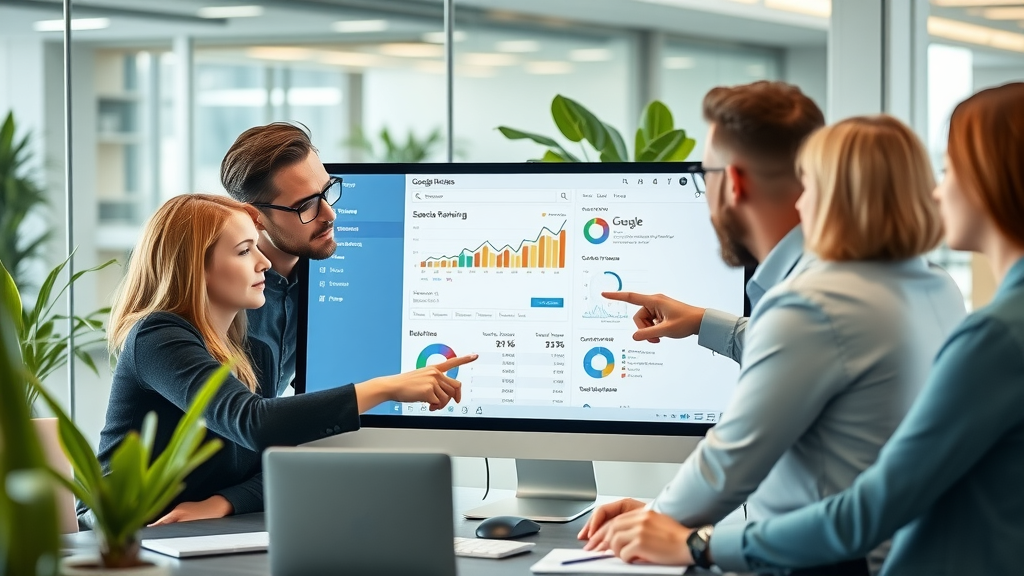
Dynamic modern business team collaborating around a computer displaying a Google Search ranking dashboard for how to rank on Google

Did you know that over 90% of internet users never venture beyond Google’s first page ? Getting to the top is the difference between a bustling website and a ghost town. Just last month, a local bakery grew from 5 walk-ins a week to 50, all thanks to mastering local SEO and learning how to rank higher on Google. Today, we’ll pull back the curtain—showing you the real secrets and easy-to-follow steps to boost your site fast , drive traffic, and truly rank higher on Google —no matter your niche. Your website’s transformation starts here.

What You’ll Learn

  • The must-know strategies to unlock how to rank on Google

  • On-page, off-page, and technical SEO secrets for ranking higher

  • Local SEO tips, mistake-proofing, and expert resources

  • Actionable steps to measure, monitor, and grow organic traffic

Unlocking How to Rank on Google: Key Secrets to Rank High Fast

Mastering how to rank on Google is the lifeblood of modern business. Securing those top spots is no longer just about stuffing a few keywords and waiting; it’s about understanding what works now . Businesses that focus on ranking high report steady growth, amplified organic traffic , and more qualified leads—whether you’re a solo entrepreneur or a large brand.

To rank higher on Google , you must address several core ranking factors . These include thorough keyword research , publishing quality content , and optimizing for both search engines and real users. For example, updating a blog post with new statistics and improving its page SEO can drive it from page three to the coveted top three spots. Don’t forget the critical role of technical SEO (like site speed and mobile-friendliness) and local SEO (for businesses serving specific areas). These technical tweaks and local signals set apart winners from the crowd.

Applying these actionable techniques not only boosts your position in Google rankings but also establishes your site as an authority in your field, significantly improving your google ranking and helping you rank higher on Google through effective page SEO and technical SEO strategies. From meta tags and schema markup to building backlinks and updating your business profile, every element matters in the climb to rank higher.

  • Why mastering how to rank on Google is crucial for modern business

  • Core ranking factors that influence your Google rankings

  • Actionable techniques for boosting organic traffic and ranking higher

  • Proven ways to optimize every page for search engines and users alike

  • Technical SEO and local SEO best practices for sustainable results

Understanding How to Rank on Google and Search Engine Algorithms

Insightful digital marketer analyzing data and algorithm code for how to rank on Google

To truly master how to rank on Google , you need to understand the mechanics behind search engine algorithms . These algorithms analyze thousands of signals—including relevance, authority, and user experience—to decide where your page appears in search results . By aligning your approach with these evolving rules, you increase your chances of achieving lasting Google rankings .

Google’s chief focus is meeting search intent—delivering the most relevant result for every query to help you rank higher on Google. For instance, if someone searches for “how to bake chocolate cake,” Google will prioritize pages with detailed recipes, videos, and user reviews over thin, unrelated content. The better your page matches both the intent and the user’s needs, the faster you will rank higher on Google .

Key factors influencing your ranking high include topical relevance (is your page about the exact search term ?), authority (do other sites link to you?), and user experience (is your site fast and easy to navigate?). Focusing on these pillars ensures you’re not just chasing rankings, but building a sustainable SEO strategy .

The Anatomy of Google Ranking: What Influences How to Rank on Google

  • The role of search engine algorithms in determining rank high status

  • Why search intent matters for ranking higher

  • Overview of key Google ranking factors: relevance, authority, user experience

Google’s algorithms analyze your page to see if it answers the search intent behind a query. For example, a page optimized for “DIY garden ideas” should offer actionable tips, photos, and step-by-step guides—delivering value to both humans and bots. This kind of user-focused, comprehensive content is a recognized ranking factor and can earn coveted featured snippet placement.

Authority comes from earning quality backlinks and mentions from reputable sites in your niche. If industry leaders reference your advice in their blog posts or social media, your site’s perceived expertise and trustworthiness grow. Lastly, optimizing user experience—such as fast loading times and intuitive site navigation—keeps visitors engaged and signals to Google that your site deserves to rank higher .

"Crafting your content for the user, not just the search engine, is the true secret behind organic traffic growth and top rankings." – SEO Industry Expert

Proven On-Page SEO Techniques to Rank Higher on Google
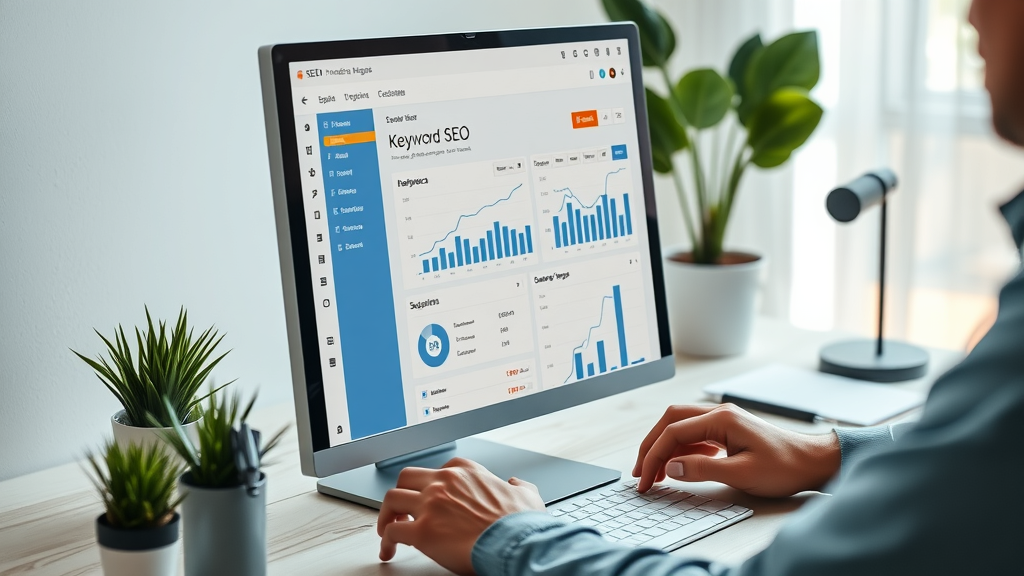
Close-up of an SEO tool dashboard with keyword research graphs and highlighted search terms for page SEO

On-page SEO forms the foundation of your page SEO strategy, essential for how to rank higher on Google effectively, improving your google ranking and boosting your organic traffic with quality content and optimized keyword research. It involves optimizing each page to improve its visibility in search results , boost organic traffic , and meet user expectations. Applying effective on-page techniques—such as careful keyword placement , meaningful internal linking, and mobile-friendly layouts—helps your content soar higher on Google.

A winning on-page SEO strategy is more than just sprinkling keywords. It’s about understanding search intent and matching your content structure, meta tags , and section headings to what real users seek. For example, updating your title tag and meta description with the main keyword can increase your click-through rate, while optimizing images with descriptive alt attributes ensures search engines—and users—understand your content more deeply.

Let’s dig into the critical building blocks: keyword research and mapping , quality content creation, and maximizing user experience. These not only improve your ranking factor scores but also delight your visitors—paving the way for long-term SEO success.

Mastering Keyword Research and Mapping for How to Rank on Google

  • How effective keyword research impacts Google rank

  • Tools to uncover keywords for higher on Google positioning

  • Matching content with search intent to climb Google rankings

Effective keyword research is ground zero for any successful Google ranking strategy and a critical ranking factor that drives organic traffic, improves your google rank, and enables you to rank higher on Google by aligning with search intent and using tools like Google Search Console. Begin by brainstorming core search terms your audience uses—then expand your list with SEO tools such as Google Keyword Planner, SEMrush, or Ahrefs. These platforms reveal how often people search for each term, how tough the competition is, and what questions or related phrases drive organic traffic .

Mapping keywords to specific pages is just as critical. Avoid targeting the same specific keyword on multiple blog posts, which can split your potential traffic. Instead, designate a “pillar” page for each main topic and build out related articles to support it, using smart internal links. This approach not only clarifies your site structure for search engines but also serves users better—making it easier for you to rank higher on Google for a range of relevant queries.

Most importantly, align each keyword with the right search intent . Match informational intent with comprehensive guides, commercial intent with product pages, and so on. This sharpens your content’s focus, increases dwell time, and dramatically improves your page’s rank high potential.

Quality Content Creation for Ranking High on Google

  • Importance of quality content and depth for ranking factor improvement

  • Guidelines for optimizing headers, subheaders, and meta tags using the main keyword

  • Frequently updated, original content as a pathway to rank high

Motivated writer creating a high-quality blog post with SEO plugins for quality content to rank higher on Google

Quality content is the most important ingredient in the recipe for ranking high on Google and improving your organic traffic. It’s not about word count, but the depth, value, and clarity you provide. Engage your readers with real-life examples, thorough explanations, and visuals that support your points—making sure every page answers a specific search intent .

Optimizing headers and subheaders is crucial for both users and search engines . Use the main keyword and related phrases in your H1 , H2 , and H3 tags, and weave the main topics naturally throughout your content. Don’t neglect your meta title and meta description—these appear in search results and influence clicks as much as rankings.

Top-ranking websites consistently update their blog posts to reflect the latest knowledge, trends, and facts. Regularly refresh outdated statistics, add new sections, and adjust your page SEO based on changing user needs. Frequent updates signal to Google that your site is active and authoritative—a recognized ranking factor that keeps your site higher on Google for the long haul.

Comparison of On-Page SEO Elements

Element

Best Practice

SEO Impact

Title Tags

Include main keyword at the start, under 60 characters

Increases relevance and CTR

Meta Descriptions

Clear summary with keywords, under 160 characters

Boosts click-through from search results

Header Tags (H1-H6)

Structure content with keywords in headers

Improves content hierarchy and keyword signaling

Image ALT Attributes

Describe image using relevant keywords

Aids accessibility and image search rankings

Internal Linking

Link related pages with descriptive anchor text

Increases authority and helps with crawling

Keyword Placement

Distribute main and related keywords naturally

Ensures optimal search engine relevancy

Maximizing User Experience for Higher on Google Rankings

  • Core web vitals and Google ranking

  • Mobile-friendliness and load speed as ranking higher drivers

  • Structuring your pages for optimal search engine and user experience

Google’s top-ranking sites excel in user experience, a critical ranking factor that significantly influences how to rank higher on Google, improve your google rankings, and increase organic traffic by optimizing site speed and mobile-friendliness. This goes beyond content—your site must be fast, mobile-friendly, and easy to navigate. Short loading times (under 2.5 seconds), clear layouts, and mobile optimization are now key ranking higher factors thanks to Google’s Core Web Vitals updates.

Even the best content falls flat if users struggle to find what they need or if your site looks broken on their phone. Test every page for responsiveness, reduce unnecessary scripts, and compress images for speed. Making these improvements not only pleases users but clearly signals to Google that your page is worthy of a higher spot in search results .

Structuring your pages with logic—using clear headings, bulleted lists, and concise paragraphs—helps both human readers and search engines digest your information efficiently. When your site is usable, fast, and accessible, it becomes easy to rank high and keep your audience coming back.

Technical SEO Tactics for Ranking Higher on Google Search

Innovative web developer optimizing website code for technical SEO to rank higher on Google

Technical SEO is the hidden engine powering your journey to rank higher on Google by ensuring your site is crawlable, indexable, and fully optimized for search engines, which is essential for improving your google ranking and overall page SEO. While users may never see your code or sitemap, search engines depend on this technical foundation to crawl, index, and evaluate your site. Without it, even the greatest content or linking strategy may not reach its full ranking potential.

Ensuring your website is properly crawlable and indexable is a must. Check your robots.txt, submit an updated sitemap in Google Search Console , and fix broken links to signal quality. Enhance your pages with structured data (schema markup), so your content is eligible for rich results—like reviews, FAQs, and event highlights—which set you apart in search results .

Don’t overlook security (using HTTPS), canonicalization for duplicate content, and correcting any crawl errors reported by Search Console. These technical signals reinforce trust and stability, helping push your page rank ahead of less-optimized competitors.

How Technical SEO Influences How to Rank on Google

  • Site crawlability, indexing, and how to detect technical SEO issues using Search Console

  • Structured data and schema markup for richer search engine results

  • HTTPS, canonicalization, and other critical technical SEO factors

When Google crawls your site, it looks for an open, well-organized structure. Regularly review Search Console for crawl errors, indexation issues, or mobile usability warnings that might keep key pages from showing up in search results . Implementing structured data annotates your content so Google understands and features it for the right search intent —enabling featured snippet wins and richer, more engaging listings.

Secure your site with an SSL certificate (HTTPS) and eliminate duplicate content using canonical tags. Canonicalization ensures that search engines credit the right page even if similar versions exist, boosting Google ranking without confusion. Stay consistent and systematic—these small adjustments go a long way in reinforcing every other SEO effort for ranking higher .

Technical SEO isn’t just about pleasing Google bots; it makes your site smoother, faster, and safer for everyone. This keeps users engaged and returning—two positive signals that help you rank higher on Google in the long term.

Using Search Console and Google Analytics to Monitor Google Rank Progress

Busy digital analyst viewing Google Analytics dashboard to monitor keyword rank progress and organic traffic
  • Leveraging Google Search Console for actionable ranking insights

  • Tracking organic traffic and keywords with Google Analytics

  • Adapting your SEO strategy based on performance metrics

Once your page SEO improvements go live, it’s time to track their effect with Google Analytics and Google Search Console to monitor your google rank, ranking high progress, and organic traffic growth for sustained ranking higher on Google. Use Search Console to check which keywords drive traffic to your site, see your average Google rank , and spot technical issues before they hurt your Google rankings . Tracking organic traffic lets you spot the direct result of all your improvements.

Google Analytics is invaluable for examining bounce rates, session duration, and conversion paths. If you add a new section to a popular blog post and see increased time-on-page and engagement, you know your strategy is working. Regularly adapting your approach—instead of “set and forget”—lets you climb higher and stay at the top even as search trends evolve.

Use this data to reinforce what’s working (like new keyword placements or better content layouts) and fix what’s not (such as high exit rates or slow page speed). For the best results, combine insight from both platforms, so you’re always optimizing for what matters most: ranking high on Google and engaging your audience.

Common Technical SEO Issues vs. Solutions for Higher on Google Ranking

Technical Issue

Solution

Broken links & crawl errors

Fix or redirect using a site audit tool and Search Console

Duplicate content

Apply canonical tags to preferred versions

Slow page speed

Compress images, minify code, use caching/CDN

Inconsistent mobile experience

Implement responsive design & test with Google’s mobile-friendly tool

Lack of HTTPS

Install and configure an SSL certificate

Off-Page SEO and Backlink Building to Rank Higher on Google

Developing an Authority-Driven Google Ranking Strategy

  • Why backlinks remain a core ranking high factor

  • Strategies for earning high-quality, relevant links for your site

  • The impact of mentions, citations, and business profile optimization

Authoritative SEO manager reviewing backlink profile charts and link network diagrams for ranking high on Google

Backlinks remain a core ranking factor and the backbone of any serious Google ranking strategy, significantly influencing your ability to rank high, improve your google ranking, and boost organic traffic through authoritative off-page SEO. When other reputable websites link to your content, it signals to Google that your page is trustworthy and authoritative—a true ranking factor . However, focus on quality over quantity. Links from industry leaders and respected directories are far more valuable than dozens of low-quality or irrelevant sources.

Earning quality links requires a blend of business outreach, relationship building, and content excellence. Create unique studies, infographics, or expert guides that others want to reference. Guest posting on respected blogs, contacting reporters through HARO (Help A Reporter Out), and leveraging local partnerships all help build a healthy backlink profile to rank higher on Google .

Don’t forget mentions and citations. When your business profile appears consistently (with accurate name, address, and phone number) across the web, it increases trust and discovers your brand as a relevant resource. These off-page signals are a must for businesses serious about sustainable organic traffic and ranking higher .

Social Signals, Brand Building, and Organic Traffic Growth

  • The evolving role of social media and online reputation in Google rankings

  • Amplifying organic traffic through influencer outreach and content partnerships

  • Integrating off-page methods for ranking higher on Google

Although direct social signals may not officially factor into Google’s algorithms, a strong social media presence amplifies your reach and increases chances for shares, links, and organic mentions—which all boost your ability to rank high . Engaging with users, responding to reviews, and building your digital reputation promote authority within your audience and encourage natural backlinks from blogs and forums.

Influencer outreach and strategic content partnerships are effective ways to boost organic traffic . By allies with creators and thought leaders, your content gets seen by broader audiences—sometimes even earning coveted featured snippet positions. Remember: off-page efforts work best when integrated with a robust on-page foundation.

Over time, these methods don’t just help you rank higher on Google . They cement your authority and visibility, making you the go-to choice in your niche, both online and offline.

Local SEO Best Practices: How to Rank Your Profile and Listing Higher on Google

Optimizing Your Business Profile for Local Search

Cheerful small business owner updating Google My Business listing for higher local SEO ranking
  • Steps to build a local SEO strategy that drives visibility

  • Claiming and optimizing your Google My Business listing

  • Local citations, reviews, and their impact on local ranking high on Google

For businesses with a physical location or serving a specific area, local SEO is a crucial game-changer that helps your business profile rank higher on Google, improve local SEO visibility, and attract targeted local organic traffic by optimizing your business profile and local citations. First, claim and fully optimize your Google My Business profile—fill in every detail, add up-to-date photos, and use relevant categories. This ensures your business appears in the coveted “local pack” for near-me searches and maps queries.

Local citations—mentions of your business on directories and local sites—must be consistent. Inaccurate info can confuse Google and hurt your rankings. Encourage happy customers to leave reviews on your Google listing; reviews build trust, improve click-throughs, and influence your local business profile’s prominence.

The more trusted, complete, and active your local profile, the better your visibility when customers search for local services or solutions in your niche. For small businesses, this difference is night and day.

"A well-optimized local profile can mean the difference between being found and being forgotten in 'near me' searches." – Local SEO Specialist

Common Mistakes That Keep Sites from Ranking Higher on Google

  • Ignoring technical SEO vulnerabilities and slow site speed

  • Lack of keyword research and poor on-page SEO

  • Thin, duplicate, or low-quality content hurting your Google ranking

  • Overlooking local SEO and business profile inaccuracies
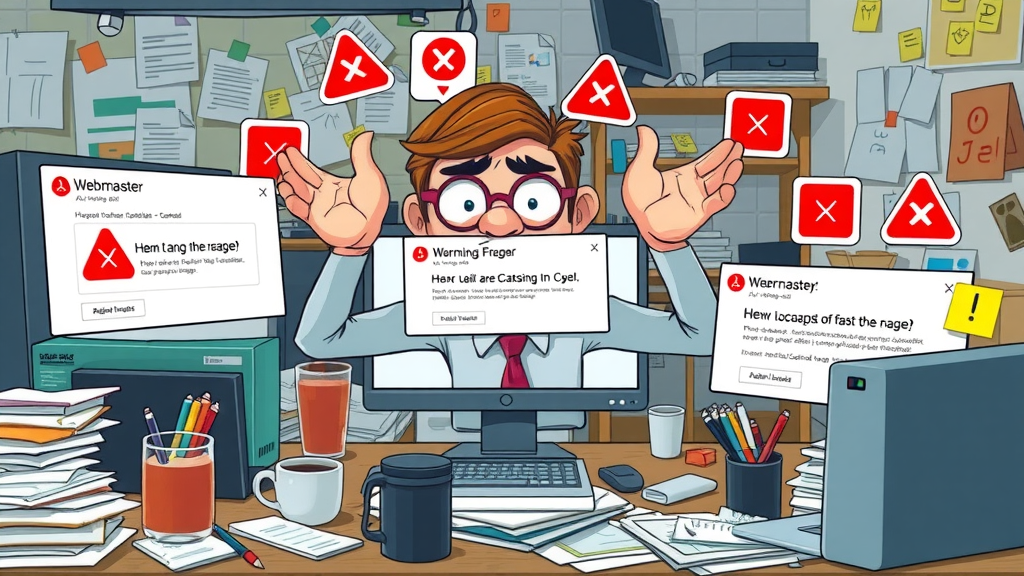
Overwhelmed webmaster confronting SEO errors and warning pop-ups affecting Google ranking

Many websites struggle to rank higher on Google not due to lack of effort but because of common SEO missteps, including neglecting technical SEO, poor keyword research, and weak on-page SEO, all critical ranking factors that impact your google ranking. Ignoring technical SEO —such as unresolved crawl errors or slow loading times—can render even excellent content invisible in search results . Always address technical red flags promptly using regular audits and tools like Google Search Console.

Another frequent pitfall is weak keyword research and lazy on-page SEO. Publishing content without clarity about search intent or competitive phrases leaves your pages out of sync with what users and search engines want. Similarly, low-quality, duplicated, or overly “thin” blog posts can get penalized or ignored entirely.

Local businesses often overlook their local SEO efforts, leaving business profiles outdated or inconsistent and missing out on crucial reviews or citations. Keeping every element polished and current is vital if you want to consistently rank high and grow your organic traffic .

Advanced Strategies to Rank Higher on Google Search

Content Silos, Internal Linking, and Structured Content for Ranking High

  • Why structuring your site in silos aids both users and search engines

  • Internal linking strategies that reinforce page SEO and rank higher intent

  • Using schema and advanced SEO tactics to stand out in rich snippets

Strategic website architect mapping out content silos and internal links for higher Google ranking

Creating content silos (themed topic clusters) helps both visitors and search engines navigate your site intuitively, boosting your page SEO and your ability to rank higher on Google by improving internal linking and topical relevance. Start with broad “pillar” content—like 'How to Rank on Google'—and break it up into narrower, related subtopics. Connect them through strategic internal linking so Google understands your site’s authority and relevance across a topic area. This approach improves overall site architecture and user engagement, a double win for ranking higher .

Smart internal links funnel page authority to your highest priority search pages. When one blog post links to another using descriptive anchor text, you guide visitors (and search bots) to explore more, boosting overall page rank . Over time, tightly linked content networks multiply your visibility, making it easier to dominate in multiple related search terms .

Finally, take advantage of schema markup and advanced SEO tactics. Mark up FAQs, product listings, or business details with rich snippets, so your listing attracts more clicks and stands out in search results . This not only elevates user experience but can push your page into prominent positions—like featured snippets and knowledge panels—without extra content or backlinks.

Measuring Success: Tracking Google Ranking and Organic Traffic Improvements

  • Key metrics to watch for ranking higher on Google

  • Tools and dashboards: Google Analytics, Search Console, third-party rank trackers

  • Interpreting organic traffic growth and conversion improvements

After all your efforts to rank higher on Google , it’s crucial to measure what’s working—and where to double down. Start by monitoring organic traffic growth, average ranking positions for your top search terms , and which pages drive the most conversions. A steady uptick in these metrics confirms your SEO strategies are paying off.

Use a combination of Google Analytics (for traffic, engagement, and conversions), Search Console (for search queries and technical insights), and third-party tools like Ahrefs or Moz for deep-dive rank tracking. These dashboards provide actionable insights, highlight untapped opportunities and surface any issues holding your site back.

Don’t get lost in vanity metrics. Focus on conversions, engagement, and real business outcomes. Each improvement, no matter how small, brings you closer to the sustained growth and visibility only Google’s first page can deliver.

People Also Ask

How to get ranked on Google search?

  • Begin with keyword research for relevant search intent

  • Optimize on-page elements for SEO: quality content, internal linking, technical SEO

  • Build authoritative backlinks and maintain a strong local business profile

To get ranked on Google search , start with comprehensive keyword research to understand what your audience is looking for. Make sure your page delivers on that search intent with clear, engaging content. Don’t forget on-page SEO tweaks like optimizing headings, meta tags, and internal links. Building credible backlinks and updating your local business listings (especially for local SEO) also improves your Google ranking quickly and effectively.

How do I appear on top of Google search?

  • Deliver high-quality, search-intent matched content

  • Implement sound on-page, technical, and off-page SEO

  • Gain backlinks from credible sources and promote user engagement

Appearing at the top of Google search requires you to satisfy both the algorithm’s needs and user expectations. Publish in-depth, relevant content that answers the user’s question. Optimize your technical SEO to ensure page speed and mobile usability. Elevate your authority through strategic backlink building and by engaging with your community via social media or forums.

How do you rank your profile on Google?

  • Optimize your Google My Business listing with comprehensive details

  • Encourage customer reviews and keep business info consistent

  • Engage in local SEO campaigns for ‘near me’ searches

To rank your profile on Google , start by verifying and fully filling out your Google My Business profile. Add a great description, current photos, accurate categories, and regular posts. Collect customer reviews and make sure your business information is identical everywhere—across your website, directories, and social channels. This consistency and proactivity improve your ranking high in local results.

How do you rank your Google listing?

  • Update business listing details and categories on Google

  • Utilize posts, photos, and actively manage reviews

  • Build citations and gain quality backlinks for enhanced visibility

Ranking your Google listing higher involves keeping every detail fresh—address, phone, hours, and category. Engage customers by posting updates, answering reviews, and adding new photos. Lastly, build local citations by listing your business on respected directories (like Yelp or Yellow Pages) and focusing on gaining positive backlinks for your website and listing alike.

Frequently Asked Questions About How to Rank on Google

  • How long does it take to rank higher on Google? It often takes several weeks to several months to see noticeable improvements. Results depend on your site’s age, competition, and how consistently you apply SEO best practices.

  • What are the top ranking factors for Google search? The most important factors include quality content, keyword relevance, backlinks, website usability, mobile optimization, and fast loading times.

  • Does paid advertising impact organic ranking? No, Google has stated that ads do not directly influence organic rankings. However, running ads can increase exposure and may indirectly drive more links and engagement.

  • How can I check my current Google ranking? Use Google Search Console’s Performance Report, or third-party rank tracking tools like Ahrefs, SEMrush, or Moz to track keyword positions and average ranking over time.

  • What’s the difference between on-page and off-page SEO? On-page SEO involves optimizing content, meta tags, and internal links on your site, while off-page SEO refers to backlink building, brand mentions, and social signals from other sites.

Expert Tips, Best Practices, and Resources for Ranking Higher on Google

  1. Stay updated with Google algorithm changes

  2. Monitor competitors’ top ranking strategies and organic traffic flows

  3. Experiment with content formats and track conversion rates

  4. Leverage community and expert resources for advanced learning

Expert SEO consultant explaining Google algorithm changes for higher ranking

"Ranking high on Google is a marathon, not a sprint. Consistency and adaptability set winners apart."

Ready to Rank Higher on Google? Boost Your Site’s Visibility Today

  • Applying what you've learned: the real pathway to ranking higher on Google

  • Why a comprehensive, ongoing SEO approach yields the best results

  • Connect with SEO experts to elevate your business profile, dominate Google rankings, and grow organic traffic now

  • Call our team at Digital Marketing All at 207-710-1449 for all your marketing needs. Let us get your business more visibility.

Take these proven steps and watch your Google ranking rise—consistency and optimization drive results. Need help? Call 207-710-1449 to boost your business visibility today!


Google

110 Views

0 Comments

Write A Comment

*
*
Related Posts All Posts
02.04.2026

Is Google Indexing Holding Back Your Website? Fix It Now

Imagine pouring hours into crafting the perfect website, only to discover that over 90% of online content never makes it into Google's search results. That’s right: the majority of all web pages remain invisible, gathering digital dust while others thrive. Google indexing is the invisible wall that can block your masterpiece from the world—or catapult it to page one. If your website traffic feels stagnant, the culprit might be lurking in how search engines view (or ignore) your content. In this article, you’ll unravel the secrets behind getting your site indexed, see what real changes look like, and walk away with the exact steps you need to rescue your web presence from obscurity. Key Takeaways for Maximizing Google Indexing on Your Website Google indexing determines your website’s discoverability in search engines. Regularly auditing your site indexing can uncover critical technical issues. XML sitemaps, internal links, and search console usage are pivotal for optimally index your website. Unveiling the Power and Pitfalls of Google Indexing: Why Your Website's Fate Hinges on Visibility Did You Know? Most Websites Remain Invisible to Google Indexing—Impactful Statistics to Consider It’s hard to believe, but the majority of websites never get more than a handful of clicks—if any—from Google Search. Industry data reveals a staggering 90% of online content never receives organic search traffic. That’s because their most crucial step—Google indexing—never happens correctly, or at all. When your site isn’t indexed, it doesn’t matter how beautiful, informative, or updated it is—Google can’t show it to people searching for your products or ideas. The invisible wall between your website and organic traffic isn’t a lack of optimization, but a lack of visibility. For many business owners and creators, understanding this gatekeeping process is the turning point from getting lost in the digital crowd to standing out as a brand authority. "A staggering 90% of online content never receives organic traffic from Google search engines. Indexing is the silent gatekeeper." – Industry Data What You'll Learn in This Guide to Google Indexing How google indexing works and why it matters Key terminology: site indexed, google index, indexed pages, etc. Hands-on steps to get your website indexed by Google Troubleshooting common google indexing issues with relatable examples and solutions Best practices for sustaining google indexing success Google Indexing Explained: Getting to Grips with the Basics What is Google Indexing and Why Should You Care? At its core, Google indexing is how Google Search “remembers” your website. Think of the google index as a giant digital library. Crawlers (often called “spiders”) discover and organize your web pages so they can be shown in relevant search results. If your site indexed status is missing or incomplete, the best content on your site remains invisible—even when someone searches directly for it. The bigger your library presence, the more likely visitors will find and trust your brand. Without google indexing, your pages live in a digital void, inaccessible to potential readers, customers, or subscribers. How Does the Google Index Work Behind the Scenes? The journey from freshly published web content to appearing in Google search results relies on two critical steps: crawling and indexing. First, Google sends out its Googlebot to crawl web pages by following links or sitemaps, discovering new content and updates. Next, the algorithm processes (“indexes”) what it finds—storing details, keywords, and metadata in its vast system. If there are errors, redirects, duplicate content, or issues with your XML sitemap, Google may skip or misinterpret your pages. This process decides whether Google can retrieve your page for a relevant query, which is why understanding and maintaining Google’s index is essential for your online reach. Site Indexed vs. Not Indexed: What’s the Difference? When your site indexed status is “yes,” pages are eligible to appear in organic search engine results, broadening your reach exponentially. A “not indexed” status means Google either hasn’t found, understands, or trusts your page—or something technical is blocking it. This might be due to an errant robots. txt entry or missing internal links. For example, a blog post about your services with no links from the homepage and not included in your sitemap url often slips through the cracks, never making it into Google’s visible results. Checking whether your page is indexed lets you spot issues before they become costly missed opportunities. The Critical Role of Index Your Website: How Visibility Drives Results Google Indexing as the Foundation of Search Engine Traffic The foundation of every traffic spike, lead capture, and online sale starts with google indexing. Without it, your site may as well be invisible. Imagine launching a pop-up shop in a hidden alley—no matter how splendid your sign or products, nobody will show up unless they can find you. Indexed pages are like virtual storefronts mapped right onto the main street of the internet: Google search results. If you want organic traffic, every important page must be accessible and trusted in the google index. This opens the doorway to new audiences, builds credibility, and transforms your digital brand from stagnant to thriving. Story Highlight: A Website Before and After Getting Indexed by Google Consider Lisa, who built a robust resources page for her small business but saw no change in inquiries or traffic for months. After learning about site indexed issues, she used the Google Search Console to submit her XML sitemap and added strategic internal links from her homepage. Within weeks, analytics showed her resources page rising in search results, doubling her organic leads. This real-life turnaround is a common one: google search rewards sites that proactively manage indexing, resulting in faster, more sustainable growth. "Getting our site indexed by Google doubled our organic leads in just months." – Digital Marketing Case Study How Indexed Pages Shape the Reach and Authority of Your Site Every page that’s visible in the google index strengthens your site’s authority. Picture your website as a tree: main pages (like your homepage and core services) are the trunk, while subpages and blog posts serve as branches and leaves. The more indexed pages and well-placed internal links you have, the fuller and healthier your tree appears to Google’s algorithms. This boosts your ranking for important keywords, enhances brand trust, and expands your digital footprint—fueling more visitors, leads, and revenue. Google indexing isn’t just a technical task—it’s the heartbeat of your website’s growth. If you’re looking to further improve your site’s visibility and ensure your content gets discovered, mastering the art of crafting articles that rank is essential. Explore actionable steps and proven techniques in this guide to writing listicles that attract traffic, links, and shares—a practical resource for anyone aiming to boost their organic reach. People Also Ask: Demystifying Google Indexing What is Google indexing? Answer: Google indexing is the process by which Google search engines process, analyze, and store web pages discovered during crawling, making them available to show in relevant search results. How do I get my site indexed by Google? Answer: To get your site indexed, start with submitting an XML sitemap through Google Search Console, create valuable internal links, and use the URL inspection tool to request indexing of individual pages. Can you see how many times someone has googled you? Answer: While Google doesn’t provide personal search data, you can analyze site queries and impressions within the Google Search Console to understand how your indexed pages are being searched. What are the three types of indexing? Answer: The primary types of indexing in web search are full-text indexing (entire content), metadata indexing (description/titles), and database indexing (structured data for faster retrieval). Step-by-Step: How to Check if Google Has Indexed Your Site Quick Methods to Verify Indexing Using Google Search To quickly check if Google has indexed your site, type site:yourdomain. com into Google search. This shows a list of all indexed pages for your domain. If key pages are missing, they may not be indexed yet. For a deeper dive, review URLs you’ve recently published—sometimes a page is indexed but not ranking, indicating opportunity for optimization or technical clean-up. Alongside the site search, try searching snippets of unique content to see if your information comes up in Google search results, confirming that Google understands and trusts your content. Leveraging Google Search Console to Audit Indexed Pages Google Search Console is the command center for tracking index your website health. By navigating to the “Coverage” section, you can view which pages are indexed, where errors exist, and why Google might skip certain URLs. The URL Inspection Tool lets you enter any web address to see its live indexing status, what Google saw during its last crawl, and whether any technical blocks exist (like duplicate content or robots. txt exclusions). Use these diagnostics to spot and fix issues before they hurt your traffic or ranking. Interpreting Indexing Status Reports and What They Reveal Understanding indexing status reports is key to proactive site management. Errors like "Crawled – currently not indexed" or "Duplicate, submitted URL not selected as canonical" provide actionable insight into both technical glitches and content quality problems. If several pages are marked as “excluded,” check for improper noindex tags, poorly set canonical tags, or unintentional blocking via robots. txt. By addressing these, you not only help Google to index every important page but also make your site stronger, smarter, and more resilient to algorithm changes. Technical Deep Dive: Understanding the Google Indexing Process Crawling and Indexing: The Journey from Discovery to Google Index Google’s journey with your site begins at crawling: the Googlebot explores pages by following internal links or reading your XML sitemap. Once discovered, each page is analyzed, organized, and—if deemed high quality—added to the google index. If a site’s navigation is confusing, lacks internal links, or contains excessive duplicate content, valuable pages might be skipped. Think of crawling as Google’s pathfinding, and indexing as adding pages to its digital Rolodex. The better your structure and guidance, the more content Google will “remember” to show searchers. Role of XML Sitemap in Helping Google to Index Your Site An XML sitemap acts like a roadmap, showing Google where to look for your website’s most important pages. Submitting a sitemap url through Google Search Console ensures newly created or updated pages get discovered fast—especially when your site is large, or navigation is complex. It’s one of the most effective signals to help Google crawl and index your content efficiently. Make sure to regularly update your sitemap when you publish, delete, or restructure content, so you’re always pointing Google in the right direction. The Impact of Internal Links and Site Architecture on Google Indexing Internal links are more than convenient navigation—they’re essential signals that guide Googlebot to new or deep content. Each link from a high-traffic page (like your homepage) passes authority to others, boosting the likelihood that Google will discover and trust even distant subpages. Well-organized internal linking structures eliminate “orphan pages” (pages with no inbound links), speed up indexing, and increase keyword relevance throughout your site. Periodically review your architecture, ensuring every key service, product, or blog page is connected through multiple internal links to maximize crawlability and authority. Enhancing Your Site Indexed Status: Case Example Take the story of a local restaurant whose menu page was never getting indexed. Upon review, there were no internal links pointing to it from their home or location pages, and it was missing from the XML sitemap. After adding links from several high-traffic pages and updating the sitemap, the menu page appeared in Google’s index and soon ranked for local food-related search results, leading to a 30% increase in reservations through organic search alone. Indexing Signal Boosts Indexing? Explanation XML Sitemap Yes Guides Google on what pages to crawl and index. Internal Links Yes Distributes authority and brings orphan pages into the Google index. Duplicate Content No Can suppress or confuse Google indexing. Robots.txt/Noindex No Directly blocks content from Google indexing. Common Barriers to Effective Google Indexing & How to Fix Them Real-World Example: Indexing Issues Stemming from Duplicate Content A common reason for indexing problems stems from having duplicate content—multiple pages with identical or very similar text. For example, an e-commerce owner cloned a product page for a new variant but forgot to update product details. Google detected the similarities, marked both as duplicates, and only indexed one (randomly chosen) page. The affected pages vanished from key search results, impacting traffic and sales. Identifying and rewriting duplicate sections, as well as using proper canonical tags, restored visibility and expanded organic reach. Resolving Problems with Canonical Tags and Duplicate URLs Canonical tags tell Google which version of a web page is the “official” one when similar content appears at multiple URLs. A misconfigured canonical tag can accidentally block your main page from being indexed, while duplicate URLs can dilute authority across your site. Consider an agency whose main service page wasn’t appearing in search. The audit found the canonical tag pointed to an old URL, so Google ignored the new page entirely. By updating the canonical tag and consolidating duplicate URLs, the affected page finally entered the google index, regaining its ranking and leads. "A single misconfigured canonical tag kept our key landing page out of Google’s index for weeks." – SEO Consultant Combating Indexing Issues from Incorrect Use of Robots.txt and Meta Tags The robots. txt file and page-level meta “noindex” tags give you control over what search engines can access, but incorrect use can unintentionally hide crucial pages from the google index. For instance, a blog owner excluded the entire /blog/ directory in robots. txt without realizing, causing all their expert posts to disappear from Google results. Always check your robots. txt settings and page meta tags before publishing. Restore important content by allowing crawling, removing “noindex” tags, and requesting a recrawl in Search Console. Optimizing Crawling and Indexing with Internal Linking Strategies Many indexing issues are resolved simply by strengthening internal links. If an important page isn’t being indexed, review your navigation, blog posts, and landing pages for opportunities to add descriptive, keyword-rich links to those URLs. A content update that adds references to neglected resources can help Google discover and prioritize those affected pages for indexing within just a few days, often with a noticeable positive impact on search ranking. Troubleshooting Temporary and Persistent Google Indexing Bugs Sometimes, indexing glitches are on Google’s side—algorithm changes, resource limitations, or temporary bugs. If a previously indexed page vanishes, check its crawl and index status using the URL Inspection Tool. Resubmit if needed, monitor for manual actions or reported outages, and reach out to Google Search Console support for persistent issues. Addressing these quickly ensures that transient problems don’t become permanent lost traffic. Hands-On Strategies: How to Get Google to Index Every Important Page Submitting an XML Sitemap: Full Steps to Index Your Website Submitting an XML sitemap is one of the fastest ways to help Google to index your latest content. In Google Search Console, navigate to Sitemaps, enter your sitemap url (like https://yourdomain. com/sitemap. xml), and click submit. This alerts Google to crawl and index your site’s most valuable pages immediately. Make sure your sitemap is clean—avoid expired, redirected, or “noindex” pages to prevent search confusion. Update your sitemap after every site restructure or major content update to ensure complete coverage. Strategic Placement of Internal Links to Boost Indexing Carefully planning internal links can make the difference between pages that languish unseen and those that rank. Link to new or updated articles from your homepage, sidebar, or high-authority posts. Use descriptive anchor text (the clickable words in the link) to help Google understand each page’s purpose. For example, after publishing a new case study, link to it from your Services, About, and Blog pages to boost its chances for rapid, comprehensive indexing. Requesting a Recrawl or Manual Submit via URL Inspection Tool If a page still isn’t appearing after you’ve addressed on-page and technical issues, use the URL Inspection Tool in Google Search Console. Enter the page URL, check the live index status, and click “Request Indexing. ” This manual trigger can speed up Google’s crawl cycle from weeks to hours. Use it sparingly but effectively—perfect for important updates, newly launched landing pages, or after resolving indexing issues. Proactive Monitoring Using Google Search Console Proactive site owners check the Coverage and Index reports in Google Search Console weekly. Watch for new errors, monitor excluded URLs, and celebrate the steady growth of indexed pages. Setting up email alerts ensures you’re notified of major shifts in your google indexing status, giving you the opportunity to address issues before search traffic is affected. Case Example: Turning Around an Under-Indexed Site An outdoor gear shop noticed only a few core pages were indexed, limiting their growth. By updating their XML sitemap, adding contextual internal links to forgotten product pages, and manually submitting new URLs, they shifted from just 12 indexed pages to over 150 in two months. This led to a 3X increase in organic visitors and boosted sales each quarter. Their story proves that hands-on action can revive even the quietest websites! Best Practices for Sustainable Google Indexing Creating Original Content to Avoid Duplicate Content Penalties Keeping your website’s content original and unique is critical to maintain trust with Google and avoid penalties for duplicate content. Every new article, service page, or product description should offer fresh value. Rewrite or consolidate similar posts, use properly configured canonical tags, and tailor your messaging for specific target audiences. The more genuinely valuable and distinct your content, the better your chances for rapid, lasting inclusion in the google index. Using the Google Search Console for Long-Term Indexing Health Set up automated monitoring through Google Search Console to receive alerts about new indexing issues, blocked URLs, or crawl errors. By checking in regularly, you can spot trends—such as an increase in “excluded” pages—and take corrective action before organic traffic is impacted. This ongoing maintenance is key for keeping your site indexed and performing at its best. Building Internal Links and Updating Your XML Sitemap Regularly As your website grows, new sections may emerge as pillars for your audience and for search engines. Always point new content from multiple places within your site using natural, topic-focused internal links. After every content update, rebuild and re-upload your XML sitemap to ensure all new or reprioritized pages are crawled and indexed efficiently. Ongoing Site Indexed Monitoring: Staying Ahead of Indexing Issues Set a recurring schedule to review your site’s indexed pages, check for sudden drops or unexpected exclusions, and quickly address any warning flags. Ongoing vigilance keeps your business visible in the search engine ecosystem and prepares you for algorithm updates or competitive shifts. FAQs: Your Pressing Google Indexing Questions Answered How long does it take Google to index your website? Typically, it can take anywhere from a few hours to a few weeks for new pages to be indexed, depending on site authority, sitemap submission, and internal linking strength. Use Google Search Console’s URL Inspection Tool to speed up this process for urgent pages. What should I do if my pages are not visible in Google search? Confirm if the page is currently indexed via site:yourdomain.com/page-url. If it’s missing, review for technical issues like robots.txt blocks, noindex tags, or missing internal links. Address these, then request re-indexing through Search Console. Will removing content impact my site indexed status? Yes. Deleting or noindexing large portions of your site may cause Google to re-evaluate your authority or trustworthiness. Always update your sitemap and use redirects to avoid broken links and unexplained drops in index coverage. How often should I resubmit my sitemap or update internal links? Update your sitemap whenever substantial content is added, deleted, or reorganized—at least quarterly for most active sites. Regularly audit and add internal links as you publish new content to ensure robust index coverage. Next Steps: Take Charge of Your Website's Google Indexing Destiny Recap: Why Prioritizing Google Indexing is Your Website’s Growth Catalyst Taking Google indexing seriously turns your website from a hidden gem to a growth machine. Proactive management of your indexed pages, technical optimization, and steady content improvements put Google to index your hard work front and center for real audiences. Inspiring Example: The Business Transformation After Mastering Google Indexing Emily—a small business owner—transformed her site from invisible to dominant by fixing sitemap issues, upgrading internal link structures, and actively using Google Search Console. In just two months, her organic visibility and revenue jumped 40%. "Within two months of optimizing for google indexing, we saw a 40% jump in our organic visibility and revenue." – SME Owner Empowering Your Website: Immediate Actions to Get Google to Index & Grow Start today by auditing your site for indexed pages, submitting an XML sitemap, adding meaningful internal links, and using Search Console to monitor your success. Don’t let technical oversights hold you back—take control of your Google indexing strategy and watch your website thrive. I hope you enjoyed reading our blog. If you would like to assistance with your marketing, give us a call at 207-710-1449 or visit our website at www.digitalmarketingall.org. As you continue to optimize your website for Google indexing, consider expanding your digital strategy to include broader marketing tactics that drive sustainable business growth. Discover expert tips and actionable strategies in this comprehensive guide to marketing tips and strategies for business success. By integrating advanced marketing insights with your technical SEO efforts, you’ll be well-equipped to dominate your niche and achieve long-term results. Sources Google Search Central - How Search Works Google Search Console Help - Get Your Websites on Google Moz - Search Engine Indexing Explained Ahrefs - Google Index: How Indexing Works & How To Index Your Site Faster Search Engine Journal - What Is Google Index And How Does It Work? To enhance your understanding of Google indexing and its impact on website visibility, consider exploring the following resources: “In-Depth Guide to How Google Search Works”: This comprehensive guide explains the processes of crawling and indexing, detailing how Google discovers and organizes web content. (developers. google. com) “Ask Google to Recrawl Your Website”: This resource provides step-by-step instructions on how to request Google to recrawl and index your website, ensuring your latest content is recognized and displayed in search results. (developers. google. com) By delving into these materials, you’ll gain valuable insights into optimizing your website’s presence in Google’s search index.

08.07.2025

Understanding Google's AI Overviews: What Marketers Need to Know

Did you know that daily Google searches have surged from 8.5 billion to 13.7 billion, creating over 5 trillion annual searches? This unprecedented growth is driven by Google's integration of generative AI and AI overview technologies that deliver curated, authoritative search results beyond traditional links. For marketers, understanding Google AI overviews and the evolving search generative experience is essential for securing visibility and thriving in today’s competitive search labs environment. In this comprehensive guide, we unwrap how these AI overviews operate, why they matter, and how you can ensure your brand is part of the conversation when customers are ready to decide. Startling Growth in Google Search and the Rise of AI Overviews The digital landscape is witnessing a remarkable transformation. Google’s search volume has skyrocketed, not because more people came online, but because users are searching more frequently with sophisticated, question-based queries. According to Neil Patel, of NP Digital, "Google is no longer just a list of links. It's a curated answer engine pulling from content the algorithm trusts." This shift demands that marketers rethink their strategies—from focusing solely on rankings to becoming trusted sources within AI-generated summaries. The surge in Google search volume is complemented by Google’s adoption of generative AI that synthesizes content into concise AI overviews directly within search results. This means brands are now competing to be cited, not just to appear on page one. Visibility in Google AI overviews places a company directly in front of consumers during critical decision-making moments, redefining engagement within the search generative experience. Breaking Down AI Overview: Types of Google Search and Their Impact Google Search Types & AI Overview Appearance Rates Search Type Percentage of Total Search Volume AI Overview Appearance Rate Informational (e.g., "How to optimize SEO") ~50% 45.9% Commercial (e.g., "Best CRM for agencies") 14.8% 17.8% Navigational (e.g., "Facebook login") 34.6% 1.5% Transactional (e.g., "Buy headphones online") 8% 6.1% This data reveals an essential insight: Google AI overviews predominantly appear in queries where user intent is high, specifically in commercial and transactional searches. These are the moments when consumers research products or services and are most poised to make buying decisions. Unfortunately, brands absent from these AI summaries miss the critical “decision moment” that can drive conversions. Hence, marketers must prioritize appearing in AI Overviews to remain relevant and competitive. To further enhance your brand’s presence in these high-intent search moments, consider leveraging advanced content strategies such as creating compelling link bait assets that naturally attract citations and boost your authority within Google’s AI-driven ecosystem. Why AI Overviews Matter for Commercial and Transactional Searches AI overviews directly impact the customer journey in high-value searches. Since these summaries synthesize key information, they often become the primary source consumers trust before making a purchase. Neil Patel emphasizes that losing visibility in these AI-powered answers means losing the chance to influence prospective buyers at the exact moment they are comparing options or finalizing decisions. Thus, for commercial and transactional intent queries, securing your brand’s mention within Google AI overviews can significantly boost brand trust, discovery, and ultimately, sales. Understanding Google's AI Mode: The Next Evolution Beyond AI Overviews Following AI overviews, Google has launched AI mode—an even more powerful evolution of search technology. Unlike the snapshot answers featured in AI overviews, AI mode replaces traditional search results with interactive, conversational AI experiences that deeply analyze queries through numerous hidden sub-searches. Neil Patel explains, "AI mode simulates the behavior of a professional web surfer, piecing together information step by step to provide a fully researched recommendation." This comprehensive processing leverages a technique called query fanout, where the initial user query triggers multiple subqueries, aggregating and synthesizing information into a singular, authoritative answer. For marketers, this presents both opportunities and challenges—gaining inclusion in AI mode’s nuanced answers requires semantic understanding and content depth far beyond traditional keyword ranking. Challenges Marketers Face with AI Mode and Semantic Positioning One major challenge with AI mode is its opacity. Unlike traditional SEO metrics and rankings that marketers track, AI mode’s answers are formed behind the scenes from multiple hidden queries—none of which are visible or directly attributable. This means you cannot simply target a single keyword and expect visibility. Instead, success depends on semantic positioning . This approach involves optimizing your brand as a trusted source across related topics and concepts, encompassing the entire thought process behind the consumer’s inquiry. Effectively, marketers must train Google’s AI to recognize their content as authoritative within the broader semantic field—not just isolated keywords. Those who adapt quickly will secure coveted AI citations, while others risk irrelevance despite good rankings. The New Role of SEO: From Traffic Generation to Brand Discovery SEO has evolved beyond generating clicks and page views. Today, it is fundamentally about brand discovery and equity built through mentions in AI-generated content. Neil Patel shares that 90% of consumers first hear about a company through organic results, yet only 5% purchase immediately. The rest engage later via email, social media, and advertising, influenced by consistent brand recognition. Google’s AI treats brand mentions in AI overviews much like a news anchor citing trusted sources, enhancing brand authority within search results. When your brand is cited in an AI overview or mode, it gains credible visibility and long-term mindshare without necessarily earning an immediate click. This subtle but powerful form of brand exposure acts like prime advertising space—boosting recognition and trust over time, a vital asset in today’s competitive marketplace. Building Long-Term Brand Equity Through AI Citations The impact of being cited in Google's AI-powered responses goes beyond immediate traffic. It creates multi-channel brand flow, strengthening your presence across email, social media, paid ads, and word-of-mouth referrals. Marketers who embrace this paradigm shift position their brands as trusted industry authorities, building durable relationships that influence purchasing behavior over the long term. As Neil Patel asserts, brands cited by Google's AI acquire “brand memory” akin to sponsorship logos seen repeatedly in high-profile venues—instilling subconscious trust and recognition that pays dividends in competitive markets. Step-by-Step Guide to Reverse Engineering Google's AI for Brand Visibility Enter competitor domain in UberSuggest Analyze top SEO pages and traffic-driving keywords Identify keyword gaps between your site and competitors Develop content targeting proven high-value topics This process is crucial for marketers aiming to penetrate Google’s AI ecosystem. By identifying keywords that competitors rank for but you don’t, you uncover validated opportunities that the AI already values. Strategically creating superior content optimized for these terms positions your brand to be trusted and cited in AI-generated summaries and responses. This data-driven approach supersedes traditional guesswork, making optimization efficient and effective in the AI era. Creating Content That Gets Cited by Google's AI Overviews Incorporate videos summarizing key points Add diagrams to simplify complex concepts Use infographics for easy data scanning Pair content with keyword gap insights for strategic targeting Google's AI increasingly favors multimedia-rich content in AI overviews that enriches the user experience and boosts visibility in search generative experiences. Rather than relying solely on text, brands should integrate video summaries, clear diagrams, and compelling infographics that enable AI to easily interpret and trust the content. This layered approach aligns with neural models’ preferences—faster content consumption combined with clear data representation makes your pages more visible to Google's AI. Coupled with keyword gap targeting, this strategy creates a powerful blueprint for becoming a trusted source featured in AI overviews. Common Misconceptions About Google AI Overviews and SEO Many marketers mistakenly believe Google AI overviews dominate all search results and threaten traditional SEO, but they actually enhance brand discovery within search labs. In reality, AI overviews appear selectively, primarily during high-intent moments like commercial research, and function as gateways to trusted content. Another common myth is that rankings alone guarantee visibility; however, in the evolving AI environment, semantic relevance and brand authority determine inclusion in AI responses. Moreover, Google's AI is not a competitor but an amplifier—brands cited by AI often see increased recognition and downstream conversions across channels. Recognizing these misconceptions allows marketers to adjust strategies and leverage AI overviews as powerful assets instead of threats. People Also Ask: Key Questions About Google AI Overviews Why does Google keep giving me AI Overviews? Because AI overviews provide concise, trustworthy answers for queries with high user intent to enhance usability. Should I trust Google AI overviews? Yes, Google’s AI relies on content it deems credible and authoritative, improving answer quality continuously. What triggers Google AI overview? Queries with strong intent to research, compare, or make decisions often trigger AI overviews. What does Google AI do? Google AI synthesizes information from numerous trusted sources to present users with clear, summarized answers. Key Takeaways: Mastering Google AI Overviews for Marketing Success Google AI overviews appear most where user intent is highest, especially in commercial and transactional searches. AI mode uses complex query fanout to synthesize answers, requiring semantic positioning for visibility. SEO now drives brand discovery and long-term equity through AI citations, not just clicks. Reverse engineering competitor content and filling keyword gaps is essential to get cited. Multimedia-rich content significantly increases chances of being selected by Google's AI. Conclusion: Embracing the Future of SEO with Google AI Overviews Google’s AI overviews and AI mode transform the Google search landscape from simple keyword competition to a complex generative AI ecosystem where being cited by AI is paramount. Marketers who embrace this shift by reverse engineering trusted sources, focusing on semantic relevance, and enriching content with multimedia will secure long-term visibility and brand authority. As Neil Patel says, this is an opportunity to build “brand memory” that resonates across all marketing channels, turning search into a powerful discovery engine rather than just a traffic source. Ignoring these changes means risking invisibility exactly when buyers are making critical decisions. The time to adapt and thrive with Google AI overviews is now—position your brand as a trusted AI source to own the future of search marketing. If you’re ready to take your AI-driven search strategy to the next level, consider how broader optimization tactics can amplify your results. For example, mastering your Google Business Profile can further elevate your brand’s authority and local visibility, complementing your efforts in AI overviews. By integrating these advanced approaches, you’ll not only secure prime digital real estate but also build a resilient brand presence that stands out in both AI-powered and traditional search environments. Explore how these strategies work together to future-proof your marketing and unlock new growth opportunities in the evolving landscape of search. Watch Next: Leveraging AI Agents to Grow Your Business Across Channels This exclusive video complements your understanding of Google AI overviews by explaining how to use AI agents for multi-channel marketing growth, ensuring your brand stays ahead in the AI-driven digital era. Call to Action Ready to dominate Google’s AI-powered search results? Start today by leveraging competitor insights through UberSuggest, creating rich multimedia content, and optimizing semantically to become a trusted source cited in Google AI overviews within the evolving search generative experience . Don't miss the narrow window of opportunity—build your brand authority and visibility in this new AI era. For expert guidance and tools, visit Neil Patel's UberSuggest and start your AI optimization journey now.

08.05.2025

Using Keyword Gap Analysis to Win Visibility in Google's AI Layer

Did you know that daily Google searches have surged from 8.5 billion to 13.7 billion, culminating in over 5 trillion searches annually? This staggering growth comes hand-in-hand with a transformative shift in how Google delivers search results — moving from simple link lists to sophisticated AI-driven answer engines. Understanding this seismic change and mastering keyword gap analysis is now more critical than ever for SEO success. In this comprehensive guide, we dive deep into how you can leverage competitor keyword gaps to not only improve your rankings but also become a trusted source cited directly by Google's AI. Join Neil Patel, founder of NP Digital, as he reveals practical, data-backed strategies that will position your brand at the forefront of Google's AI-powered future. Startling Growth in Google Searches and the Rise of AI-Driven Search Daily Google searches increased from 8.5 billion to 13.7 billion, exceeding 5 trillion annually Question-based searches surged from 38% to 87% in just eight months Google’s AI features transform search results from simple link listings to curated answer engines Google's search landscape has undergone one of its most significant transformations ever. The volume of daily searches has exploded, driven largely by the rise of AI technologies like ChatGPT influencing user behavior. Consumers now type detailed questions, expecting immediate, comprehensive answers directly on the search page rather than scrolling through pages of links. This evolution means that traditional SEO tactics focused solely on rankings are no longer enough. Instead, brands must adapt to an environment where Google’s AI curates answers by citing trusted sources. This shift demands deeper understanding and application of keyword gap analysis to identify missed opportunities and to position your content where AI algorithms are pulling answers from. To further refine your approach, it's essential to understand how search intent shapes the way Google’s AI selects and displays content. Exploring the nuances of search intent and its impact on rankings can help you align your keyword gap analysis with the real needs of your audience and the evolving expectations of AI-driven search. Understanding Content Gap and Keyword Gap in the New SEO Landscape What is Keyword Gap Analysis and Why It Matters for SEO Strategy Neil Patel, of NP Digital, explains, "This isn't about ranking anymore. It's about becoming the source Google's AI trusts to summarize the buying journey." Keyword gap analysis is the process of identifying keywords that your competitors rank for but your site does not. In today’s AI-powered Google search environment, this analysis is critical because it reveals the “hidden” queries that Google’s AI relies on when forming its answer snippets and overviews. Historically, SEO focused on direct keyword rankings for web pages. However, with AI models synthesizing answers from many sources, knowing where your content is missing in this interconnected keyword ecosystem allows you to target high-impact topics that correspond with Google’s trust signals. By focusing on these gaps, you align your SEO strategy with the practical needs of AI-driven search, enhancing the likelihood your brand is cited and referenced, which drives both visibility and brand authority. How Content Gap and Gap Analysis Reveal Opportunities in Google’s AI Ecosystem Comparison of Search Types and AI Overview Presence Search Type Percentage of Total Searches AI Overview Presence Typical Usage Informational ~50% 45.9% Answering questions, research phase Commercial 14.8% 17.8% Product/service comparison Navigational 34.6% 1.5% Seeking specific websites Transactional 8% 6.1% Ready to purchase or convert This data highlights where keyword gap analysis can create competitive advantages. AI overviews are most prominent on search categories with high intent, such as informational and commercial queries — precisely where customers seek trusted guidance during their decision-making journey. By identifying gaps in your content relative to competitors’ holdings in these categories, you unlock targeted opportunities to craft content that AI is more likely to cite, thereby capturing the crucial "zero-click" visibility. How Google's AI Mode and AI Overviews Impact Keyword Analysis and Search Results The Mechanics of AI Mode: Query Fanout and Semantic Positioning Neil Patel states, "AI mode collapses dozens of micro searches into one authoritative response, simulating a professional web surfer's research process." Google’s AI mode operates by taking a single user query and autonomously executing multiple hidden subqueries behind the scenes, a process known as query fanout . For example, a complex question will trigger dozens of micro searches that gather data from various angles — considering weather, timing, location, and numerous contextual elements. Google then synthesizes this information into a coherent, authoritative answer. Crucially, marketers cannot directly observe these underlying subqueries or track rankings for them individually, presenting a unique challenge. Instead, success depends on semantic positioning — meaning your content needs to cover the full scope of related topics comprehensively and contextually. This strategic approach improves the probability that your brand is recognized as a trusted source and cited within these AI-generated answers. Why Traditional Keyword Analysis Needs to Evolve for AI-Driven Search Traditional SEO relied heavily on keyword volumes, rankings, and link-building metrics focused on individual keywords or pages. But Google's AI-driven search requires a shift toward understanding how keywords interconnect and how content fits within the broader semantic landscape. Keyword gap analysis must therefore move beyond raw volume to prioritize relevance, context, and the ability to meet user intent holistically. This means creating content that is rich, authoritative, and covers topics deeply , not just superficially ranking for isolated keywords. Integrating multimedia elements like videos, infographics, and diagrams enriches user experience, which Google’s AI rewards by increasing trust and citations. Step-by-Step Guide to Performing Keyword Gap Analysis for AI Visibility Using Tools Like UberSuggest to Identify Competitor Keyword Gaps Enter competitor domain to analyze top SEO pages and backlinks Review most visited pages and their driving keywords Identify keyword gaps where competitors rank but your site does not Focus on pre-validated keyword opportunities already favored by Google AI Using specialized tools like UberSuggest allows you to perform effective keyword gap analysis by comparing your site’s keyword footprint with competitors'. This reveals the exact topics and queries where your site is absent but your competitors have strong traction. These gaps represent high-opportunity areas because these keywords are already validated by Google’s algorithms and often appear within AI overviews and AI mode results. Neil Patel advises to “build better, deeper, and more multimedia rich content around each of those terms” to leapfrog competitors in Google's AI layer. Building Rich, Multimedia Content to Capture AI Citations Neil Patel advises, "Google's AI rewards clarity, completeness, and credibility — not just volume. Enrich your content with videos, diagrams, and infographics to get cited." To truly harness the power of keyword gap analysis in the AI era, it's crucial to create multimedia-rich content that appeals to both users and Google's AI. This includes embedding videos summarizing complex concepts, designing infographics to visualize data at a glance, and employing diagrams that clarify intricate ideas. Such content formats not only improve user engagement but also increase the likelihood your content is trusted and cited by Google's AI algorithms, amplifying your brand’s visibility. Integrating Keyword Gap Analysis into Your Overall SEO Strategy Aligning Keyword Research with Brand Authority and Semantic Positioning The next evolution in SEO lies in integrating keyword gap analysis directly with efforts to build brand authority and semantic relevance. This alignment requires thinking beyond individual keywords to consider how content collectively establishes your brand as a go-to source within your industry niche. Strategically crafted thematic content hubs and pillar pages augmented with rich media can elevate your semantic positioning, ensuring AI recognizes your brand as the authoritative answer source. Leveraging Competitive Analysis to Stay Ahead in Paid Search and Organic Results Keyword Gap Analysis vs Traditional Keyword Research: Benefits and Limitations Aspect Keyword Gap Analysis Traditional Keyword Research Data Source Competitor performance & AI visibility Search volume & competition metrics Focus Uncovered opportunities & semantic relevance High-volume keywords AI Compatibility Optimizes for AI citations & answer engines Focuses on rankings only Limitations Requires ongoing competitor monitoring May miss emerging AI trends Incorporating keyword gap analysis complements and upgrades traditional approaches, allowing marketers to capture both organic and paid search advantages by focusing on AI-driven insights. This approach helps you stay ahead of competitors in a rapidly evolving search ecosystem by identifying timely opportunities that traditional methods might overlook. Common Mistakes and Misconceptions in Keyword Gap Analysis and AI SEO Focusing solely on ranking rather than AI citations Ignoring multimedia content’s role in AI visibility Overlooking semantic relevance and context in keyword targeting Failing to monitor competitor keyword gaps regularly Many marketers still mistakenly treat SEO as a simple race for top rankings without appreciating that Google's AI prioritizes sources it trusts to provide accurate answers. Neglecting multimedia enrichment or semantic context severely limits your chances of appearing in AI-powered search features. Plus, the dynamic nature of competitor strategies means keyword gap analysis must be an ongoing practice, not a one-time audit. People Also Ask: Key Questions on Gap Analysis What are the key points of gap analysis? Gap analysis identifies the difference between current performance and desired goals by examining where content or keyword presence is lacking compared to competitors, enabling strategic focus on high-opportunity areas. What are examples of gap analysis? Examples include analyzing competitor keywords your site doesn’t rank for, content topics missed in your blog, or customer service practices compared to industry standards to find improvement points. What is a gap analysis RCA? RCA stands for Root Cause Analysis. In gap analysis, RCA explores the underlying reasons why there is a discrepancy between your current and target state, helping to diagnose and address fundamental issues. What are the key steps of a gap analysis process? Identify current performance metrics Define desired goals and benchmarks Compare current state versus goals to pinpoint gaps Analyze root causes for gaps Develop and implement strategies to close gaps Monitor progress and adjust as needed Key Takeaways: Winning Visibility with Keyword Gap Analysis in Google's AI Layer Google’s AI features prioritize trusted sources over traditional rankings , redefining SEO success metrics Keyword gap analysis reveals high-value opportunities for content to get cited in AI overviews and AI mode results Embedding rich multimedia content enhances your chances of being included in AI-driven answers Semantic positioning is crucial for establishing long-term brand authority within Google’s AI ecosystem Early adoption of AI-focused SEO strategies provides a significant competitive advantage Conclusion: Embrace Keyword Gap Analysis to Thrive in the AI-Driven Search Era Neil Patel concludes, "The smart brands today aren’t just chasing clicks — they’re building recognition and trust through AI citations that stick across all channels." As Google’s search architecture evolves towards AI-driven answers, marketers must pivot their focus from merely ranking keywords to becoming authoritative, trusted sources cited within AI responses. Keyword gap analysis is your roadmap to uncovering where competitors outpace you and where Google’s AI is most likely to reference content. By embracing comprehensive multimedia content, maintaining semantic relevance, and continuously analyzing competitive gaps, your brand will not only win organic visibility but also fortify long-term authority and consumer trust in the AI era. If you’re ready to take your SEO strategy to the next level, consider how the future of search is being shaped by AI advancements and evolving user behaviors. For a comprehensive roadmap on adapting to these changes, including actionable steps and future-proof tactics, explore this in-depth guide to SearchGPT and the future of SEO . Discover how to anticipate algorithm shifts, leverage AI-powered tools, and position your brand for sustainable growth in 2025 and beyond. The next era of search is already here—equip yourself with the insights and strategies to lead, not just compete. Call to Action Call us at 207-710-1449 for all your marketing needs. Let us get your business more visibility.

Terms of Service

Privacy Policy

Core Modal Title

Sorry, no results found

You Might Find These Articles Interesting

T
Please Check Your Email
We Will Be Following Up Shortly
*
*
*